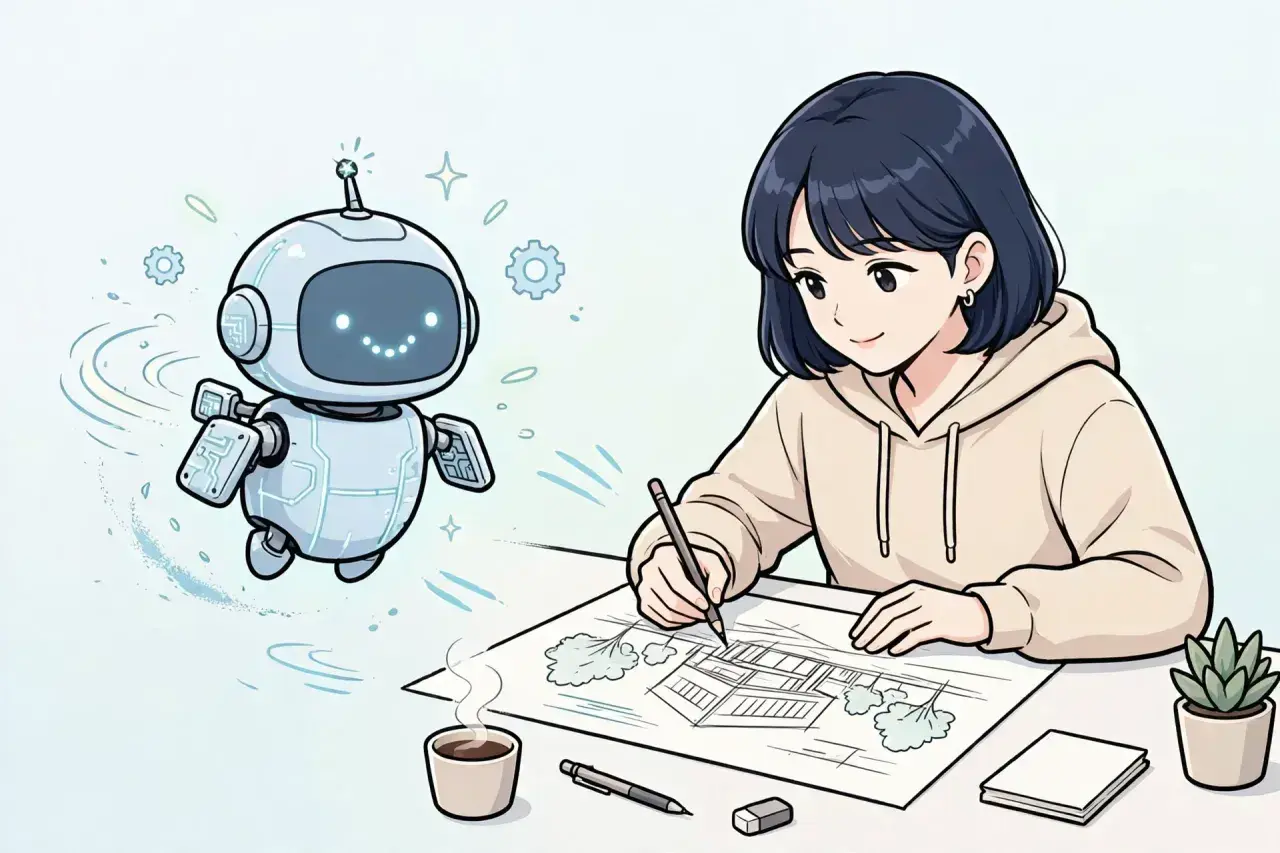


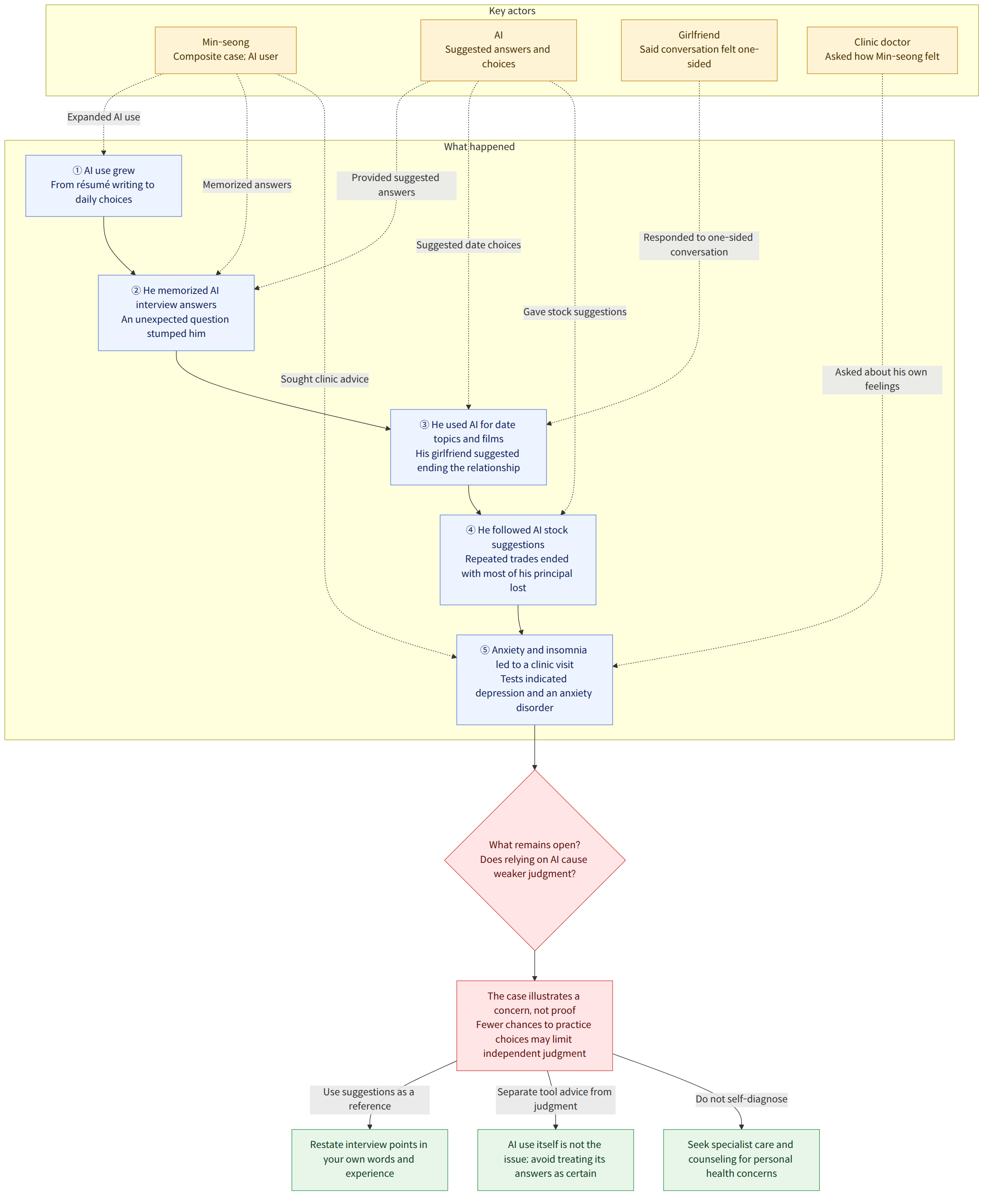
On October 11, 2026, The Hankyoreh (한겨레) examined the meaning of making one’s own decisions through a case in which someone left judgments to artificial intelligence (AI), from job hunting and meals to dating and investing. Min-seong, the young job seeker in the article, had moved from a regional area and lived alone. At first, he used AI to write his résumé, but his use expanded to asking for opinions on lunch menus and food photos, and even memorizing interview answers.
Rather than treating the use of AI itself as a problem, the article warns against accepting answers produced by AI as “correct answers” that take the place of one’s own judgment and experience. The writer is identified as a professor of psychiatry at Samsung Medical Center (삼성서울병원). The article specifies, however, that Min-seong’s case does not refer to any specific person, but was created by combining multiple cases, and that all names are pseudonyms.
Background and context
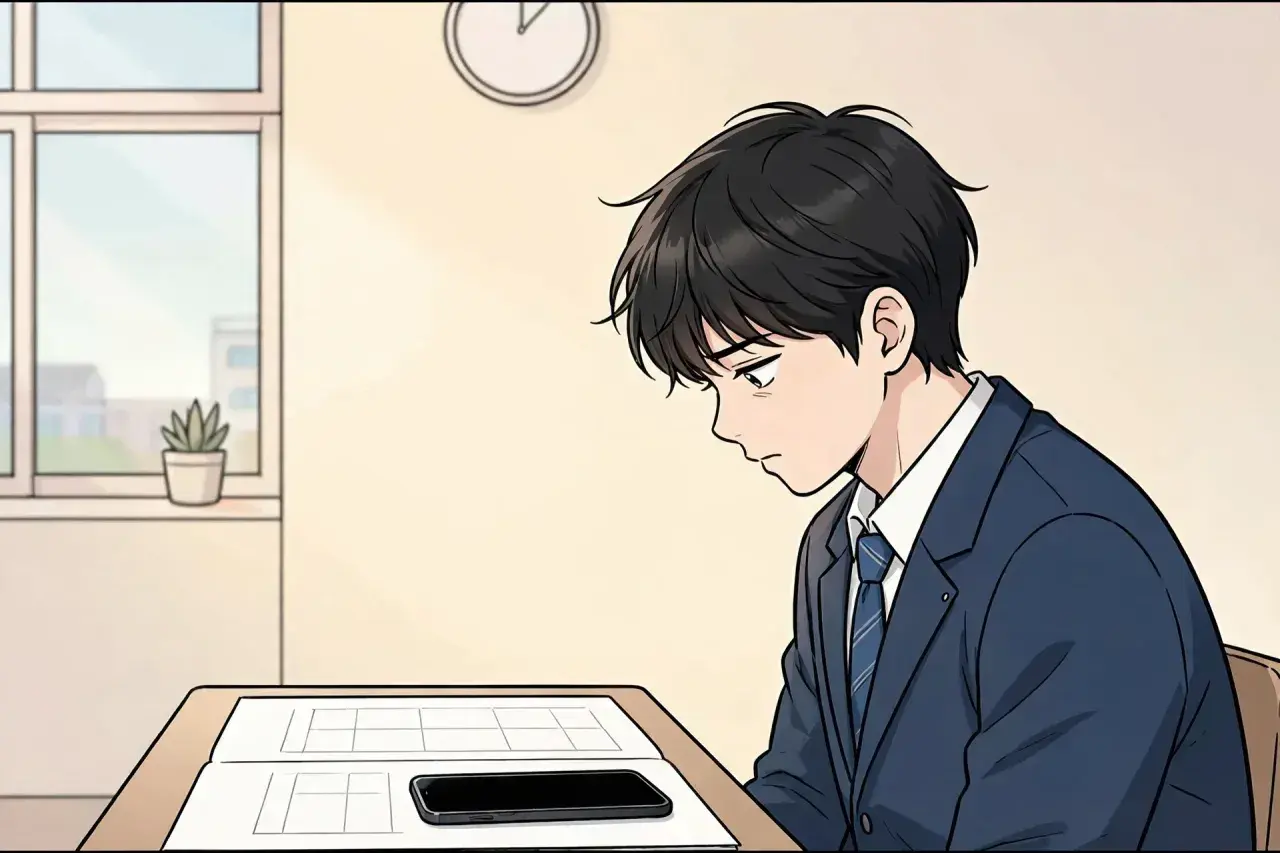
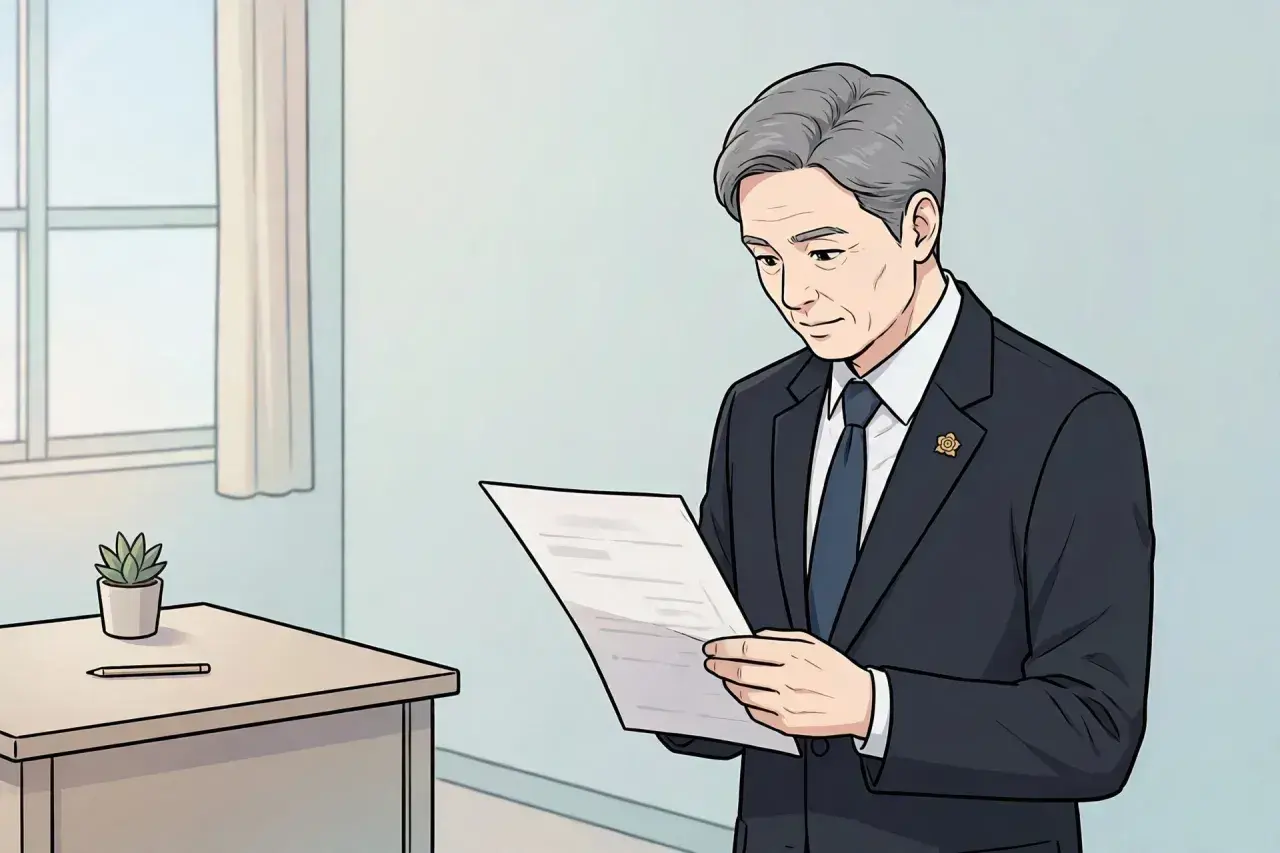
Ahead of an interview, Min-seong asked AI for likely questions and answers, then memorized the answers. But when he received a question in the actual interview that differed from what he had expected, the article says, he tried to find a similar one among the questions AI had selected rather than thinking of an answer that fit the interviewer’s intent, and could not come up with a different response. The case is presented as an example of how leaving preparation to AI made it difficult for him to express his own thoughts on the spot during the interview. A single hypothetical case cannot establish that AI use actually produces this result, but it illustrates that memorizing answers is not the same as organizing one’s thoughts independently.
AI’s role extended beyond job hunting to everyday choices. Even while on dates, Min-seong asked AI for conversation topics and movies to watch together. His girlfriend said the conversation did not feel reciprocal and suggested ending the relationship. This passage can be read as meaning that AI cannot take the place of conversation in a relationship. Listening to the other person’s response and replying in one’s own words are themselves part of building a relationship.
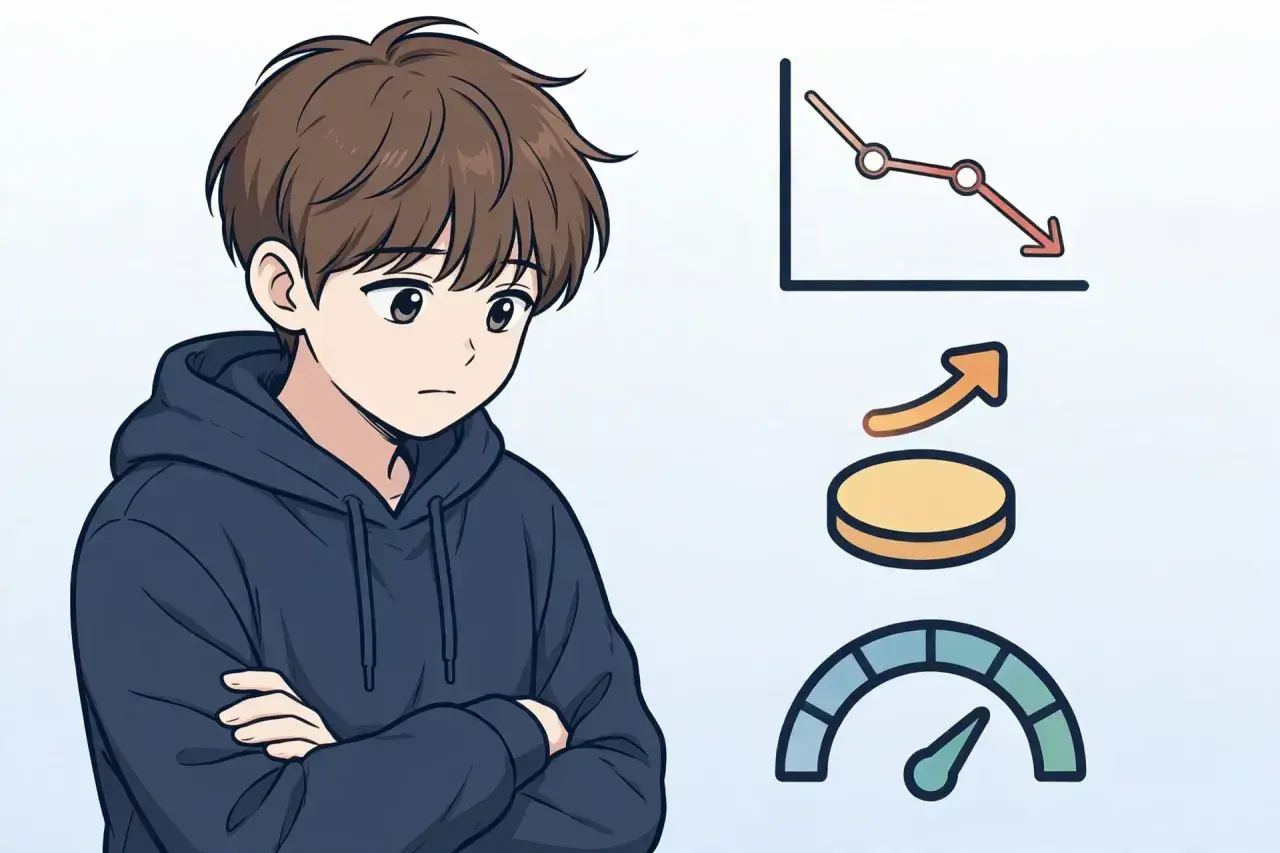
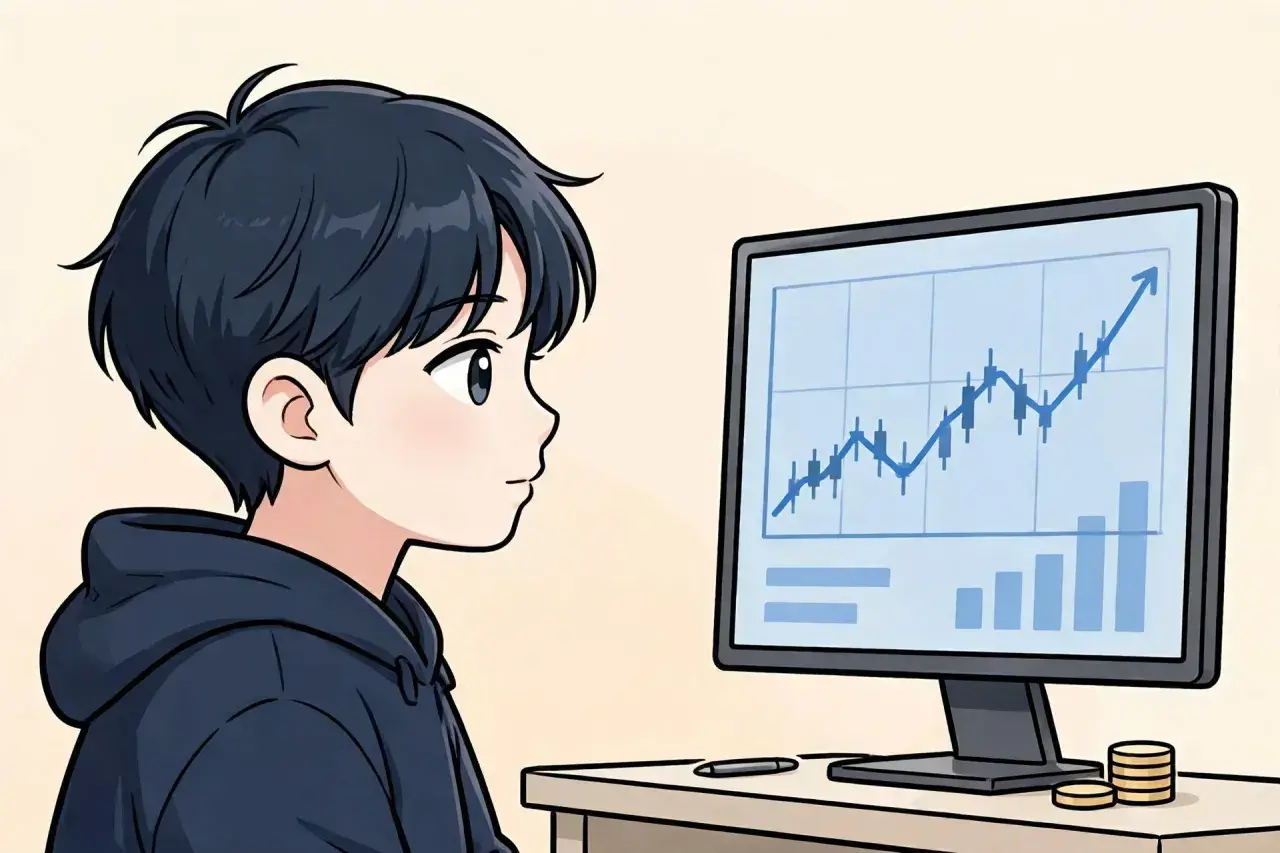
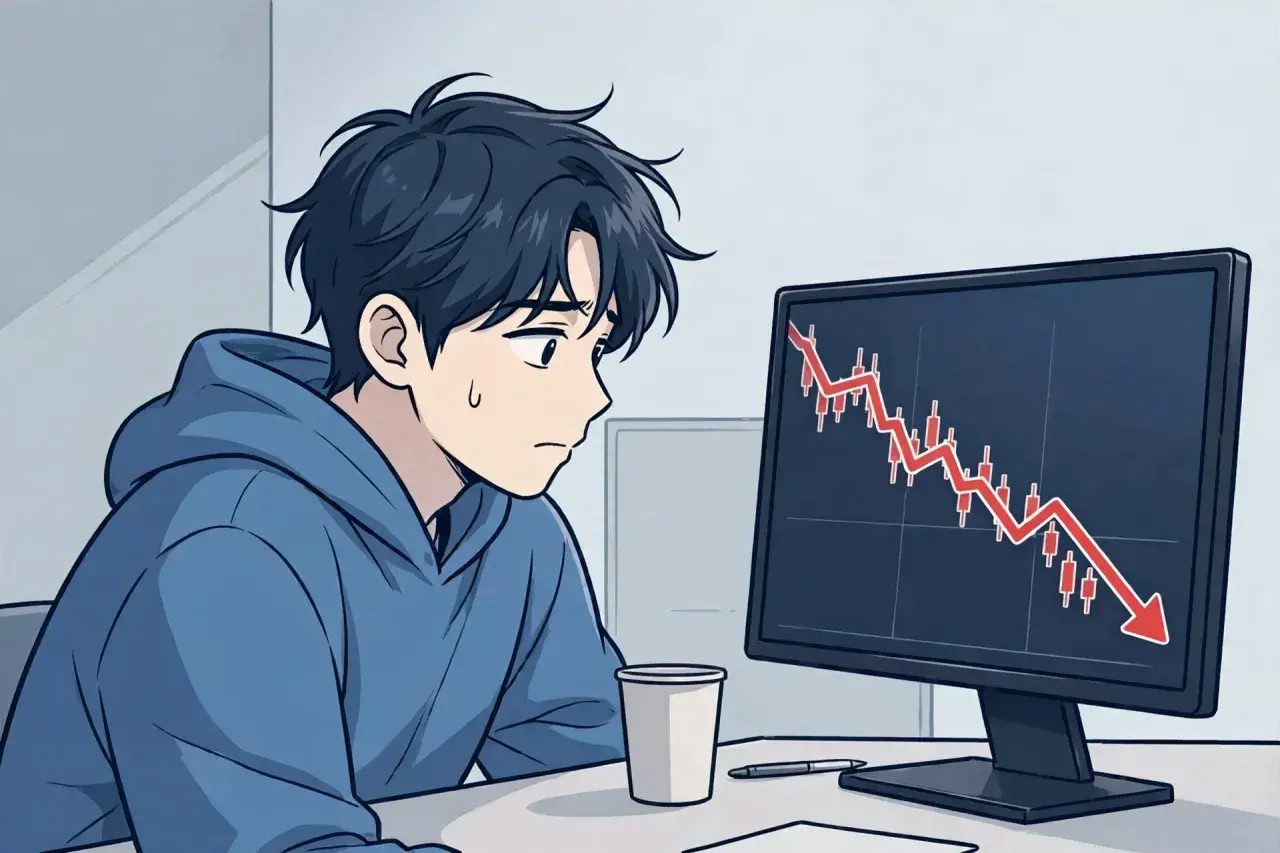
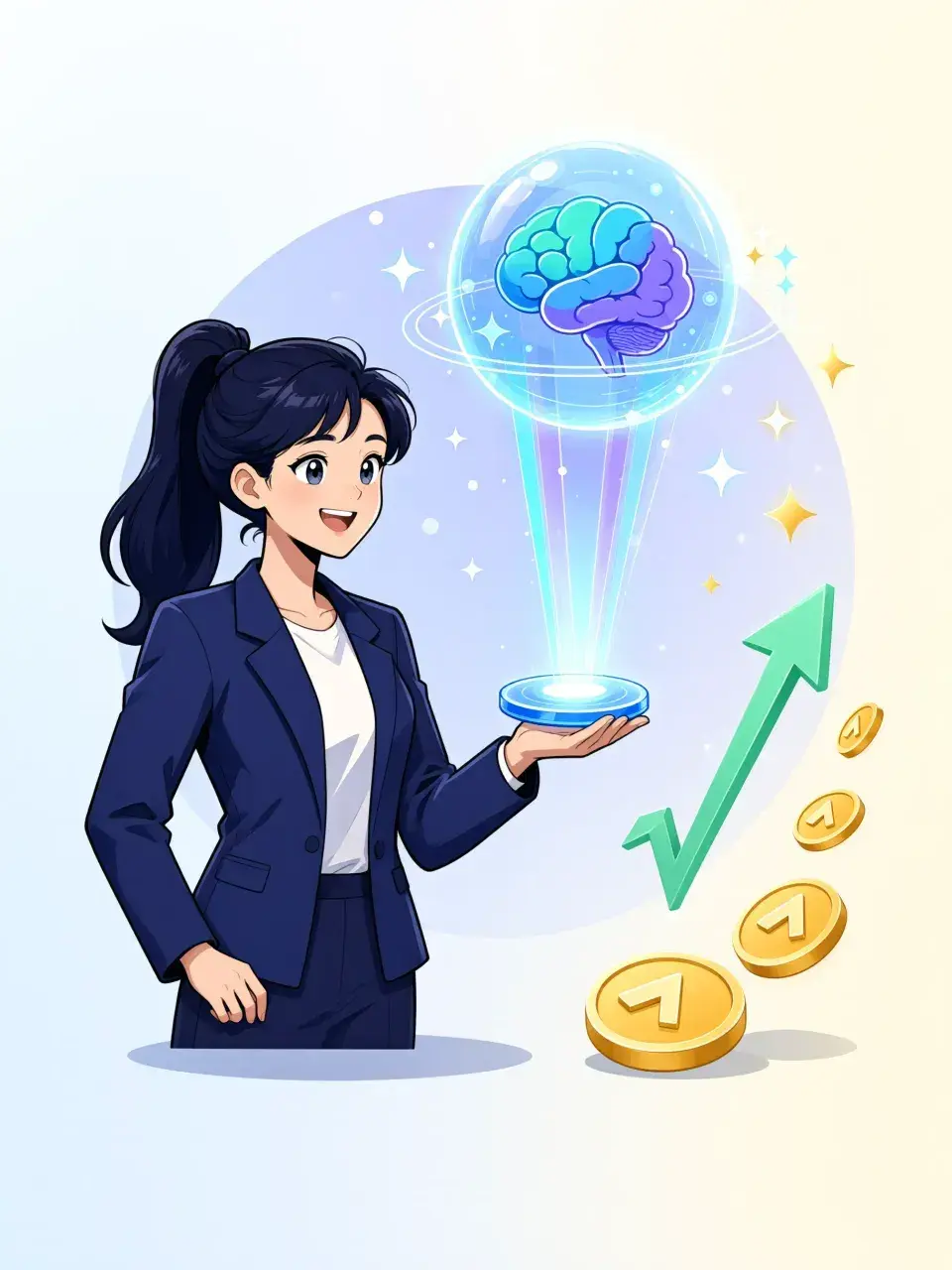
Later, Min-seong bought stocks that AI had recommended as promising and repeatedly asked whether he should sell whenever prices fluctuated. According to the article, he made repeated purchases in installments and frequently sold at a loss in response to AI’s answers, eventually losing most of his principal. What this case shows is not only the investment outcome. Even when people keep seeking outside confirmation of their decisions in uncertain situations, they cannot control the outcome with certainty. The article does not, however, say that AI recommendations were the sole cause of the losses or that this case represents investing in general.
What this news means
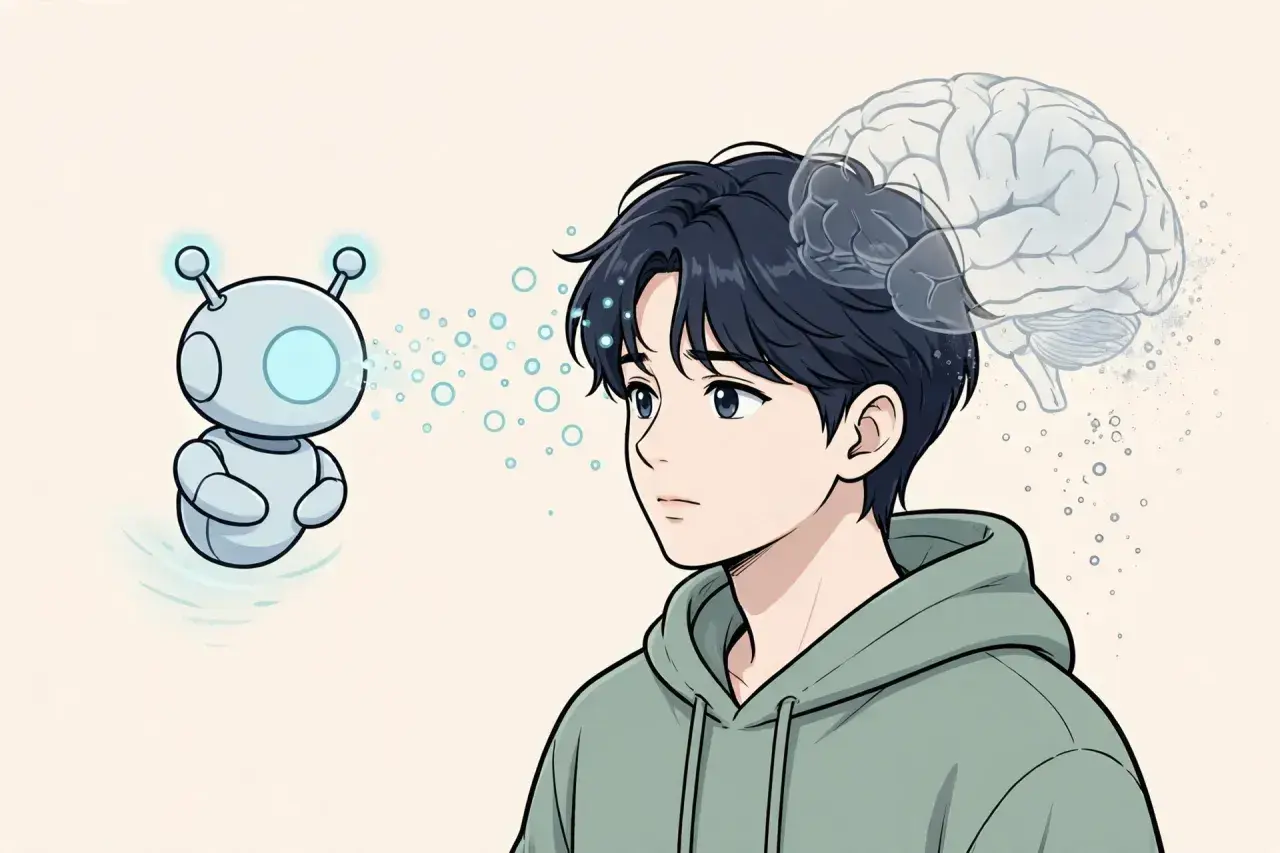
The writer cites difficulty tolerating uncertainty and fear of failure as factors behind the phenomenon of leaving life choices to AI. AI can provide answers quickly and pleasantly, but following those answers as given does not guarantee a good decision or success. The article’s concern is that if people have fewer opportunities to try answering unexpected questions and accept the results of small choices, they may also have fewer opportunities to express their own thoughts and adjust their judgment.
For example, when preparing for an interview, rather than memorizing AI’s suggested questions and answers verbatim, you could use the key points as a reference and then restate them using your own experiences and words. Even if the actual question is different, you would have room to draw on your own thinking rather than simply searching for a prepared line. This does not mean you should avoid using AI; the point is to distinguish the tool’s suggestions from your own judgment when using it.
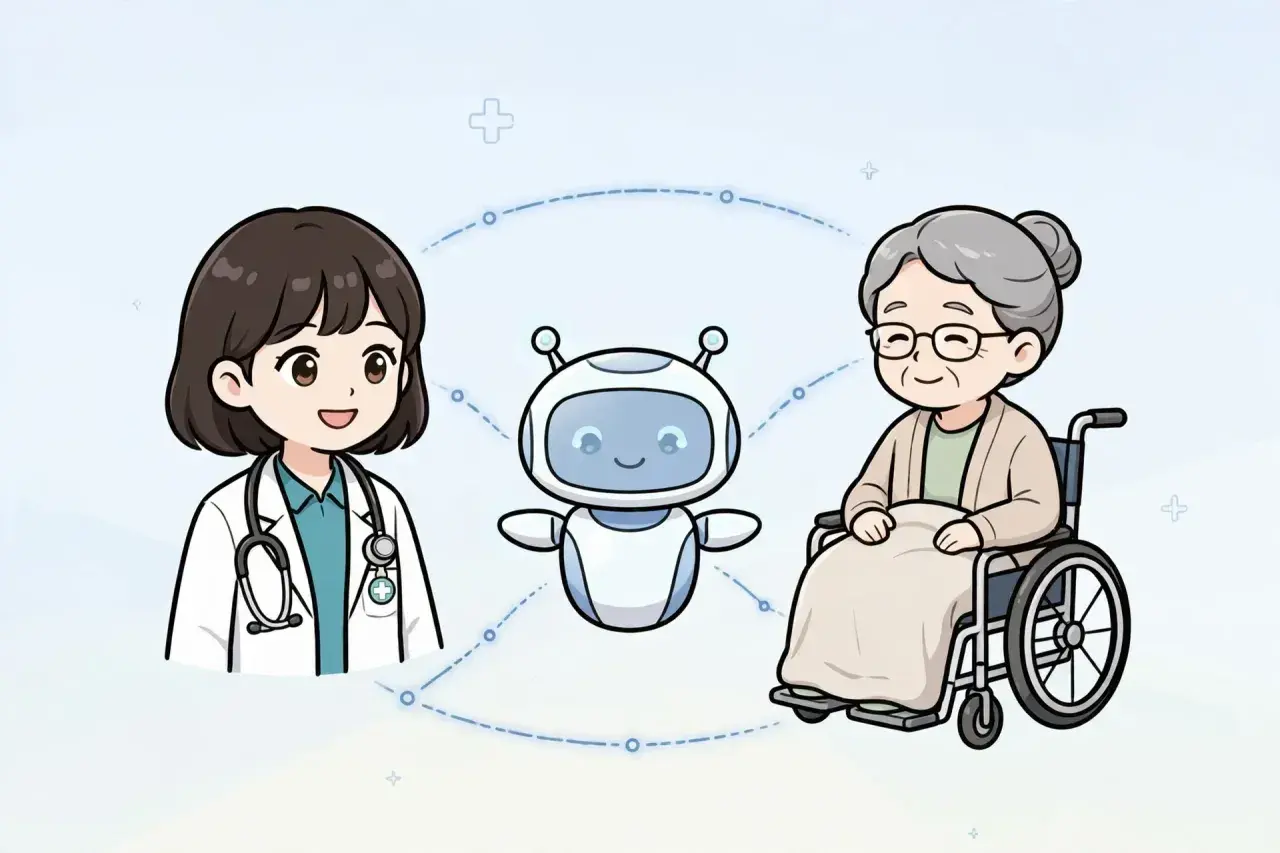
After reporting anxiety and insomnia, Min-seong in the article visited a psychiatric clinic on AI’s advice. The doctor asked how Min-seong himself was feeling, rather than what AI had said, and the article states that test results indicated depression and an anxiety disorder. This is the account of a case in the article; it is not grounds for readers to make the same diagnosis about themselves. The writer also cautioned that an individual’s condition should be assessed through care and counseling with a specialist, and that readers should not self-diagnose or make medical judgments based on the article alone.
What is confirmed and what remains unknown
What is confirmed
- The article presented the case of Min-seong, whose use of AI expanded from job hunting to decisions about meals, dating, and investments.
- The article said that when Min-seong received an unexpected question in an interview, he struggled to think of an appropriate answer.
- After reporting anxiety and insomnia, Min-seong visited a psychiatric clinic, and the article states that test results indicated depression and an anxiety disorder.
- The case was created by combining multiple cases, does not refer to any specific person, and uses pseudonyms.
- The writer suggested that it is preferable to use AI as an assistant that broadens the available choices and offers advice, rather than as the final decision-maker.
What remains unknown
- The article provides no statistics on how common it is for young people to rely on AI to make decisions.
- The article does not explain specific research evidence supporting a relationship between AI dependence and symptoms of anxiety or depression.
- The article alone cannot establish what causal relationship, if any, exists between the symptoms in the case and reliance on AI.
What readers can check
- When you receive an answer from AI, try putting your own reasons and priorities into words before following it as given. Even if you use the answer as a reference, you can reflect on whether the final choice is your own.
- In situations that change depending on the other person’s response, such as interviews or conversations, do more than memorize expected answers; practice expressing your experiences and thoughts in your own words.
- If anxiety or insomnia concerns you, do not use the case in the article as a basis for self-diagnosis. Check your condition through care and counseling with a psychiatric specialist.