A note on the kitchen wall
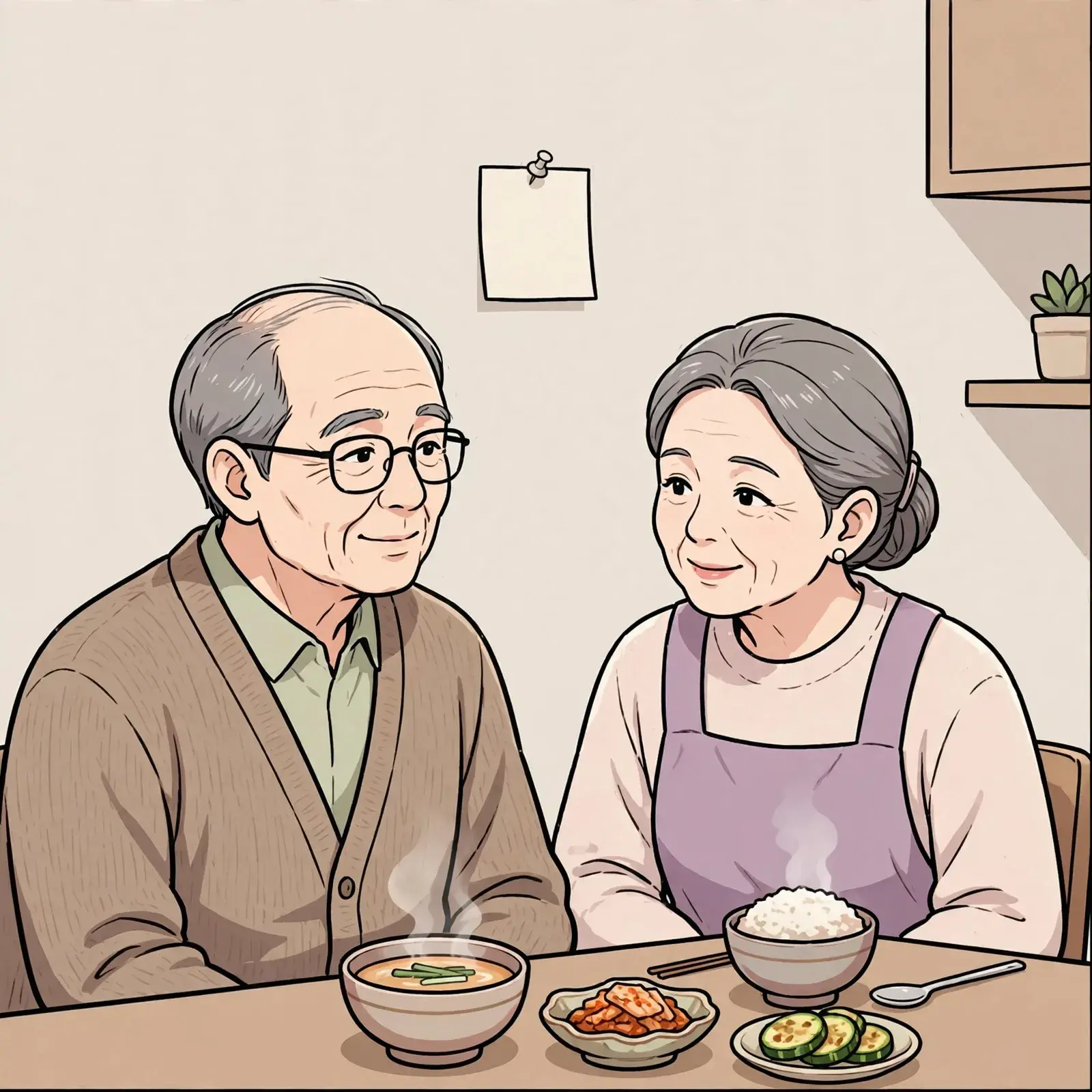
A small piece of paper on the kitchen wall offered a simple instruction: “After a meal, tell my wife, ‘Thank you for the food.’” The note belonged to a 95-year-old man who had spent much of his life farming in the countryside. These days, he is in better health than his 93-year-old wife and prepares meals for her, even though she is so frail that sitting up can be difficult.
The reminder was more than a request for good manners. It was a way of keeping gratitude visible in everyday life. For decades, his wife had cared for him and made sure he was fed; now, as their roles have changed, he still wants to acknowledge what she has given him.
“When I look back, someone was always putting food in front of me. I really lived a life of comfort,” he said.
A family worried about the oldest generation
The family decided to visit the couple well before the autumn holiday, earlier than usual. The man’s wife had recently been eating very little, and relatives felt that her health—and that of the couple, both in their nineties—could change quickly. A nephew who lived in a nearby city had begun staying with them on weekdays, while other relatives took turns visiting at weekends.
The elderly man had long been a central figure in the family. The narrator’s own grandfather died when his son was still a small child, in the unsettled years after Korea’s liberation from Japanese rule. The child came to depend on his uncle, the man now known as the 95-year-old’s family patriarch.
A farmer throughout his life, the uncle supported not only his own household but also relatives who needed help. To younger family members, his steady presence seemed as reassuring as a great tree in the middle of a village. Even the narrator’s outspoken father became quiet in his uncle’s company.
What matters when a family gathers
The older man did not insist that relatives share the same beliefs or observe every custom in exactly the same way. When the narrator’s father, who had become a church elder, replaced a traditional bow at the family memorial table with a moment of silence, the uncle laughed warmly rather than taking offense.
He told the family that the form of remembrance mattered less than the chance to come together. Whether people bowed or sat quietly, he said, they should remember that their parents and ancestors made their lives possible—and be grateful that they could still visit one another in good health.
His lesson was simple: family rituals are not only about ceremony; they can also create a reason to meet, share news, and remember that people belong to one another.
That belief shaped the way he thought about family history, too. As his many nieces, nephews, and grandchildren grew up and built households of their own, it became harder to bring everyone together. The older man worried that relatives who had never lived in the village would eventually forget where their ancestors were buried—and, with that knowledge, lose one of the reasons to return.
Keeping family connections alive
Before age made farm work too difficult, the 95-year-old spent his days tending fields. Later, he leased the land and kept bees for a time as a smaller occupation. He also made a point of bringing scattered family graves together in one place, seeing it as work he wanted to finish while he was still able.
He explained to the younger generations that those who had grown up in the countryside knew where each family grave was, but people who had moved away might not. By gathering the graves, he hoped relatives would be able to find them more easily, meet when they visited, and continue living as a family rather than becoming strangers to one another.
He even set aside burial plots for different relatives. His nephew, the narrator’s father, would check his own place whenever he returned to the village. At the graves of his parents—his father, whom he barely remembered, and his mother, who died in a nursing home—he sometimes struggled to hold back tears.
The father had shown care in small, practical ways when his mother was alive. Whenever he visited her at the nursing home, he brought snacks divided into three boxes: one for the nurses who cared for her, one for the other residents in her room, and one just for his mother. The gesture recognized that caring for an older person often involves a whole circle of people, while still making sure the person at the center feels remembered.
A difficult goodbye, and the fear of one’s own death
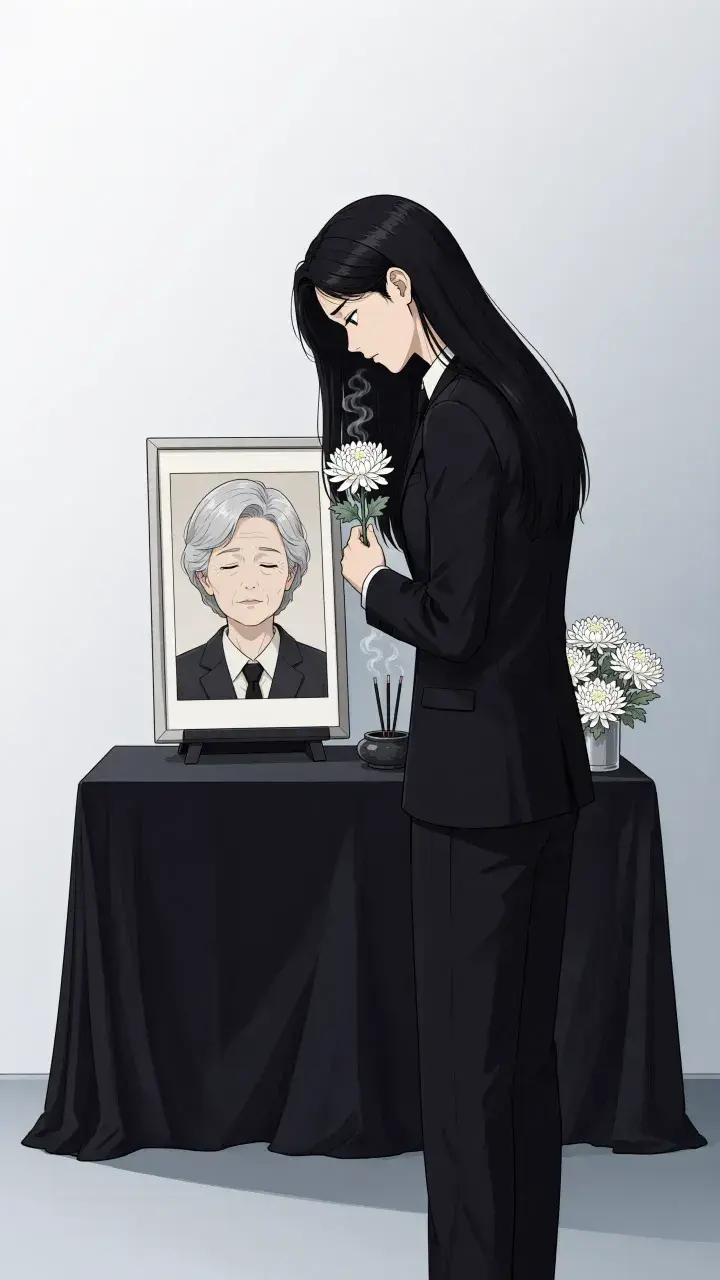
When the grandmother became too weak to eat, the nursing home proposed a feeding tube—a tube used to deliver nutrition into the body when someone cannot eat normally. The narrator, who had become a hospice and palliative-care doctor, had spoken with his father about death and end-of-life care. His father did not ask him to decide what to do; instead, he persuaded his older brother to decline the tube for their mother.
That decision was followed by profound grief. The grandmother received only a small amount of fluid through an IV (a tube placed into a vein) and died peacefully, according to the account. The story does not offer a universal rule about feeding tubes: decisions about medical treatment depend on a person’s condition, wishes, and circumstances, and families may need to discuss them with clinicians.
After the grandmother died, and later the older brother as well, the father began to feel more anxious about death. What had once seemed like a distant event now felt like something approaching his own turn. The family responded by trying to spend more time together, following the older uncle’s example.
A younger daughter brought her child to stay with her parents during school holidays, sometimes for a month at a time. The parents prepared for those visits through the rest of the year. The narrator, too, began making more weekend trips home. Shared meals, ordinary disagreements, and conversations about everyday things did not remove the fact of death, but they made the family feel more fully present in the time they had together.
The noodle surprise
On the morning of the visit, the narrator’s father heard that his aunt had recently managed to eat a bowl of black-bean noodles with relish. He immediately set out to bring her some. When a restaurant could not provide the sauce and fresh noodles separately as requested, he went to a nearby supermarket and bought instant sauce and noodles instead.
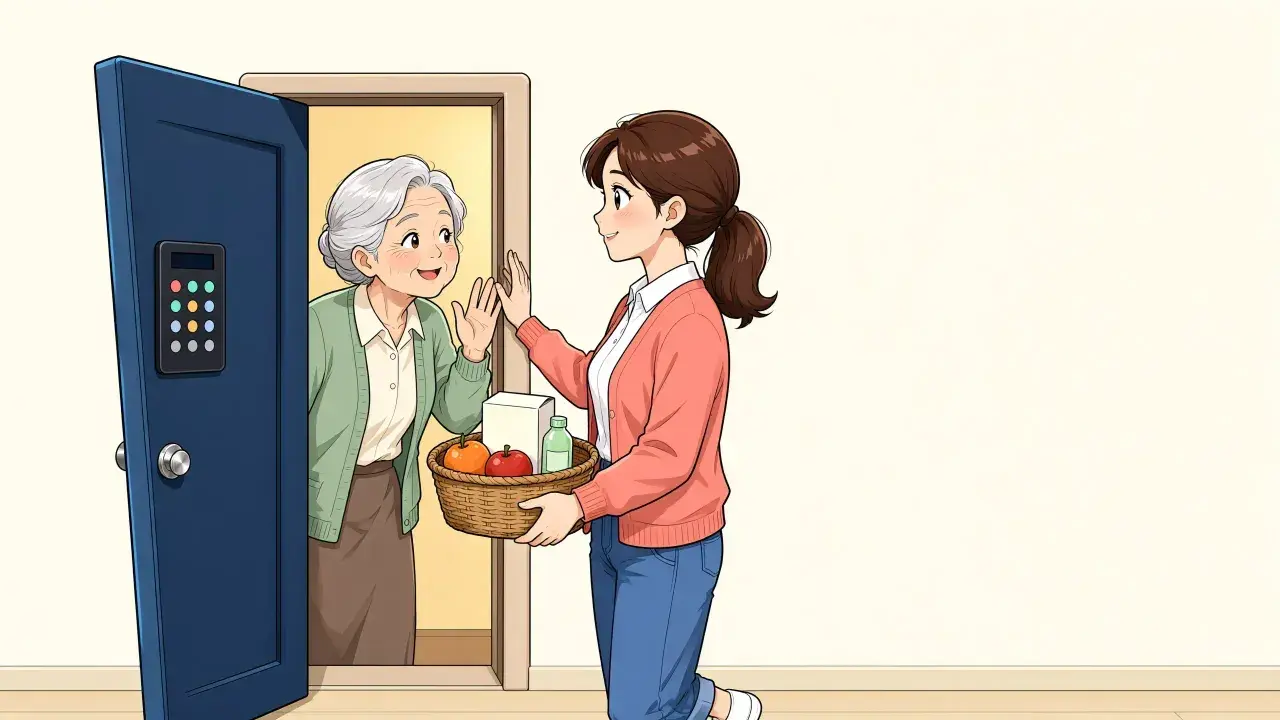
He drove to the village without warning, hoping to surprise the couple. The uncle and aunt had finished breakfast and fallen asleep: she was resting in an electric care bed in the living room, while he was asleep in another room. After the visitors made enough noise to wake them, the father announced that he would cook noodles for them.
He heated the sauce and boiled the noodles, then carried out two bowls with the anticipation of someone waiting for the best moment in a carefully planned performance. But he had picked up the spiciest variety of black-bean sauce by mistake. The aunt took one bite and was startled by the heat. The father looked disappointed and flustered; in the end, the narrator ate the noodles, while the uncle laughed heartily at the mishap.
The meal did not go as planned, but the visit itself mattered. The uncle saw the effort behind it: a nephew had traveled a long way, chosen food with his aunt in mind, and stood in the kitchen to prepare it. Even an imperfect meal could become a reason to feel cared for.
Gratitude in the final years
The uncle’s life had been shaped by work, responsibility, and a belief that family members should remain connected. Yet his final years were not defined only by what he had accomplished or by the burden he had carried. He could laugh at a botched noodle surprise, accept help without embarrassment, and speak warmly about the care he had received throughout his life.
Now he is the one preparing food for the wife who once cared for him. The note on the wall helps him express what might otherwise go unsaid: “Thank you for the food.” It is a modest sentence, but it holds a history of shared meals, labor, dependence, and affection.
A handwritten reminder cannot stop illness or make old age easy. It can, however, turn gratitude into a daily habit—like setting another place at the table or calling a relative before a holiday. In this family’s story, such ordinary acts are not small at all. They are how people recognize one another, keep memories alive, and make the time they have together feel like a life still being lived.