ChatGPT adds virtual try-ons to online shopping
OpenAI is expanding ChatGPT’s shopping features with a tool that lets people preview clothing and accessories on an image of themselves. The company has also introduced Favorites, a way to save products in the app and return to them later. Both features are launching globally.
The changes reflect a broader effort to make conversational AI (software that responds to everyday questions in natural language) useful for practical tasks, not only answering questions or generating text. In this case, ChatGPT is being positioned as a shopping companion that can help people explore products, imagine outfits, and keep track of items they may want to buy.
The virtual try-on feature offers a preview, not a guarantee that a garment will fit or look exactly the same in real life.
How the virtual try-on works
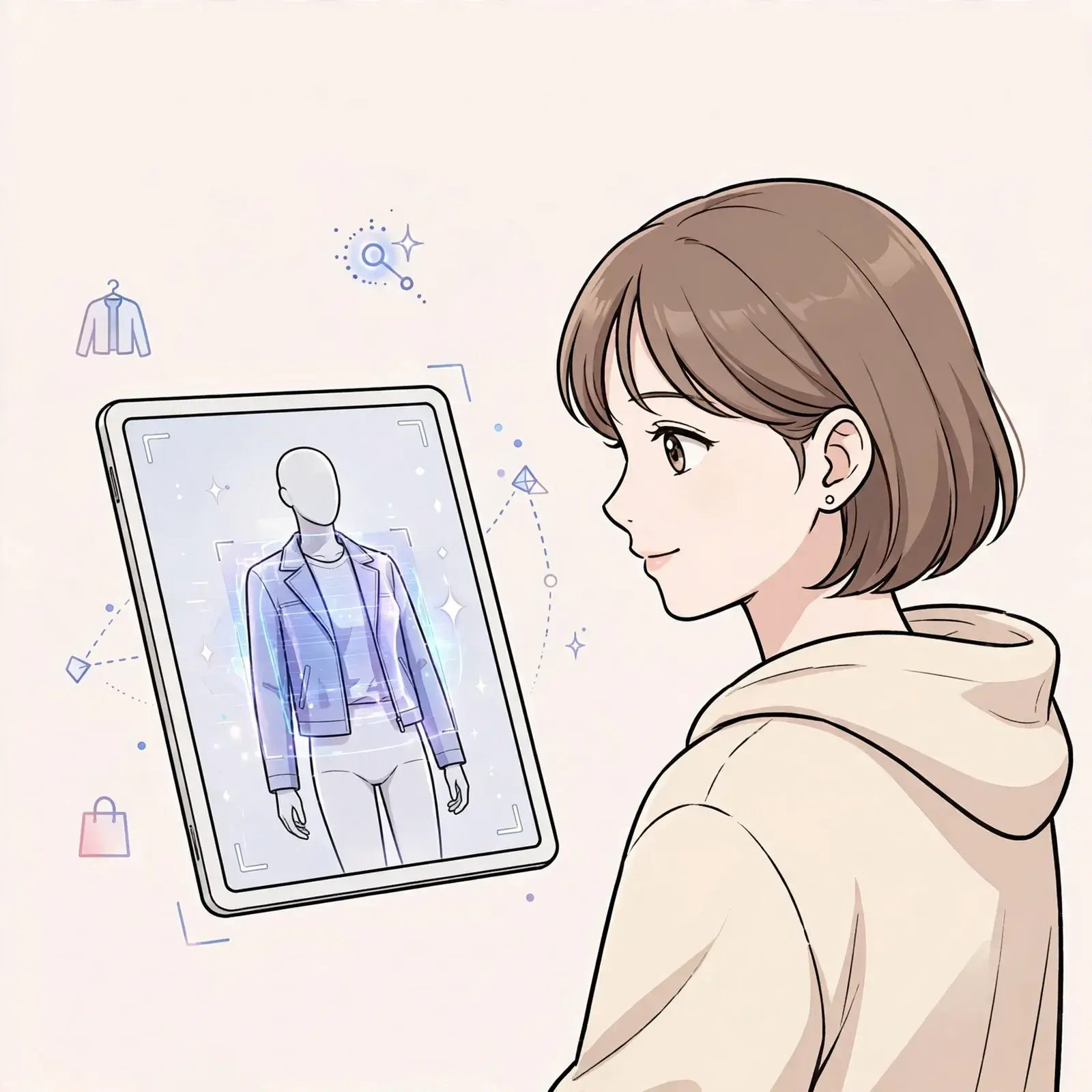
Users can upload a selfie or a full-body photo and choose the new “try on” option in ChatGPT’s shopping results. They can also upload an image of a product, such as a screenshot from a retailer’s website, and ask ChatGPT to show how it might look on them. The result is an AI-generated image (a picture created or edited by artificial intelligence), rather than a photograph of the person wearing the actual item.
That distinction matters. A preview may help someone compare colors or get a general sense of a style, much as looking in a changing-room mirror helps when deciding whether to consider an item. But an image cannot by itself confirm details such as fabric feel, exact proportions, comfort, or how a garment moves when worn.
The feature relies on ChatGPT Images 2.5, a recently launched image-generation model (an AI system that creates or edits pictures). OpenAI says the model produces more natural lighting and richer textures, follows editing instructions more reliably, and reduces image-generation latency (the wait between a request and its result).
From a product page to a personal preview
The new workflow could make product discovery feel more direct: instead of trying to imagine how a jacket might look based only on a model photo, a shopper can ask ChatGPT to create a personal visualization. People can also start with a style idea and ask the assistant to help find pieces that could bring it together.
- Upload a selfie or a full-body photo to create a try-on preview.
- Select “try on” from eligible shopping results, or provide an image of an item.
- Ask ChatGPT to explore a look based on a description or a reference outfit.
Favorites keeps promising finds in one place
The second feature, Favorites, lets users save products they discover to a Library in the app. The saved items appear alongside their try-on images, giving shoppers a place to revisit options rather than searching for the same products again later.
This kind of save-for-later tool addresses a familiar online-shopping problem: people often browse across multiple products before deciding whether to buy anything. A saved list can help them compare possibilities over time, for example when planning an outfit for an event or waiting to make a purchase.
Favorites also connects browsing with the try-on experience. A user might save several items, generate previews, and return to both the products and images while narrowing down their choices. The announcement does not establish whether saved products will include every retailer or shopping result, so the feature’s range may depend on what ChatGPT can surface.
ChatGPT wants to help users discover a whole look
OpenAI says shoppers can describe a style they want to try and ask ChatGPT to find pieces for the outfit. They can also upload photos of celebrity outfits and ask the assistant to identify items that are available to buy. That moves ChatGPT beyond answering a specific product question and toward helping users turn visual inspiration into a shopping list.
The idea overlaps with services such as Pinterest and Google, which have become familiar places to find fashion inspiration and search for similar products. A conversational assistant may offer a different route: users can explain what they like, ask follow-up questions, and refine the request in a back-and-forth exchange. For example, someone could begin with a photo of an outfit and then ask for similar items in a different color or for a more casual occasion.
Why this is a competitive shift
Fashion discovery has long depended on images, recommendations, and searches that connect shoppers with retailer listings. ChatGPT’s approach brings those activities into a conversation, potentially reducing the number of separate steps a person takes to move from “I like this look” to “What pieces could recreate it?”
- Visual search means finding products by using an image as a reference rather than relying only on words.
- Product recommendations are suggestions for items that may fit a shopper’s request or interests.
- Conversational shopping lets users clarify and adjust what they want through follow-up prompts.
A crowded market—and lessons from earlier experiments
AI companies are testing ways to bring shopping into chat assistants, but helpfulness and user trust are central challenges. OpenAI previously tried an instant-checkout feature (a tool intended to let users complete purchases directly) that did not perform well, according to the announcement. Another startup has experimented with proactively sending product recommendations, but some users viewed those suggestions as intrusive or too similar to advertising.
Those experiences show why the way a shopping feature is introduced can matter as much as the technology behind it. A shopper asking for help finding a coat may welcome relevant options, while unsolicited suggestions can feel like an interruption. Letting users start a search or request a try-on may make the experience feel more user-directed, although how people respond will become clearer as the features are used.
The new tools also bring practical questions. A convincing image can make an item easier to picture, but shoppers may still need to check a retailer’s sizing guide, return policy, materials, and product photos before buying. Users who upload personal photos may also want to review the app’s privacy settings and policies to understand how their images are handled.
What will determine whether shoppers adopt it?
The launch places ChatGPT in a space where Google has already introduced virtual try-on, and where established visual platforms have spent years helping people discover fashion. OpenAI’s advantage may be the ability to combine image requests, written preferences, product discovery, and saved items in one conversational experience. Whether that convenience is enough to make ChatGPT a first-choice shopping tool remains uncertain.
A useful test will be whether the previews are clear and dependable enough to help people make decisions without creating unrealistic expectations. Another will be whether the product suggestions feel relevant rather than promotional, and whether users can easily move from inspiration to a retailer’s product page. The quality of the experience may depend not only on image generation, but also on the accuracy and range of the products ChatGPT can find.
For now, the update gives shoppers new ways to explore outfits and organize items they are considering. It also illustrates a wider shift: AI assistants are trying to become part of everyday decisions, including what people buy. The tools may make online browsing more interactive, but they are best treated as a way to preview and discover—not as a substitute for checking the real product before purchasing.