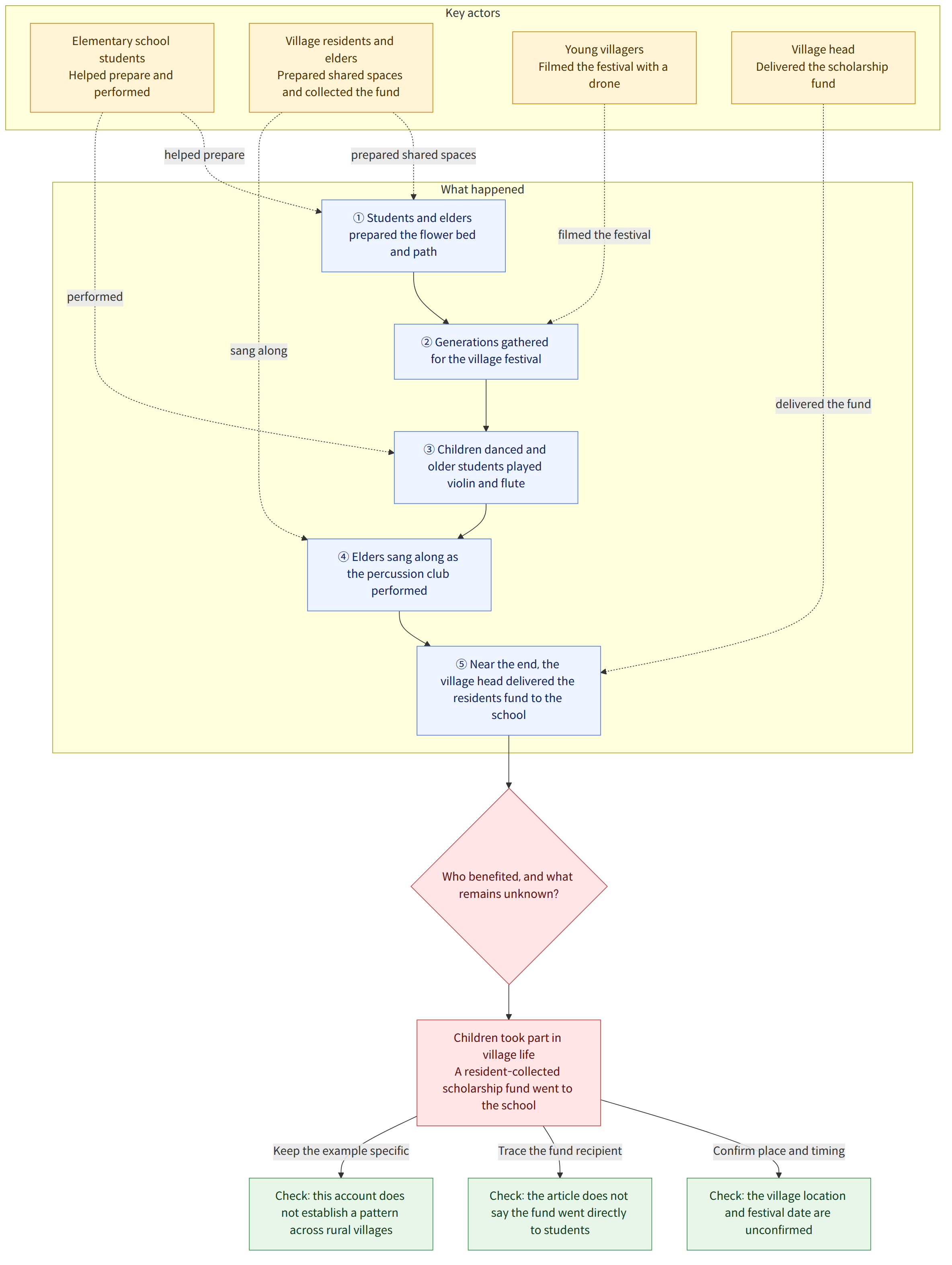
Novelist Ha Myeong-hui recounted attending a festival in a neighboring village. At a gathering where people could briefly set aside the hardships of summer before rice harvesting began, elementary school students helped prepare and perform at the festival, while generations of villagers came together to fill the stage. Near the end of the festival, the village head delivered to the elementary school a scholarship fund collected by residents.
Background and context
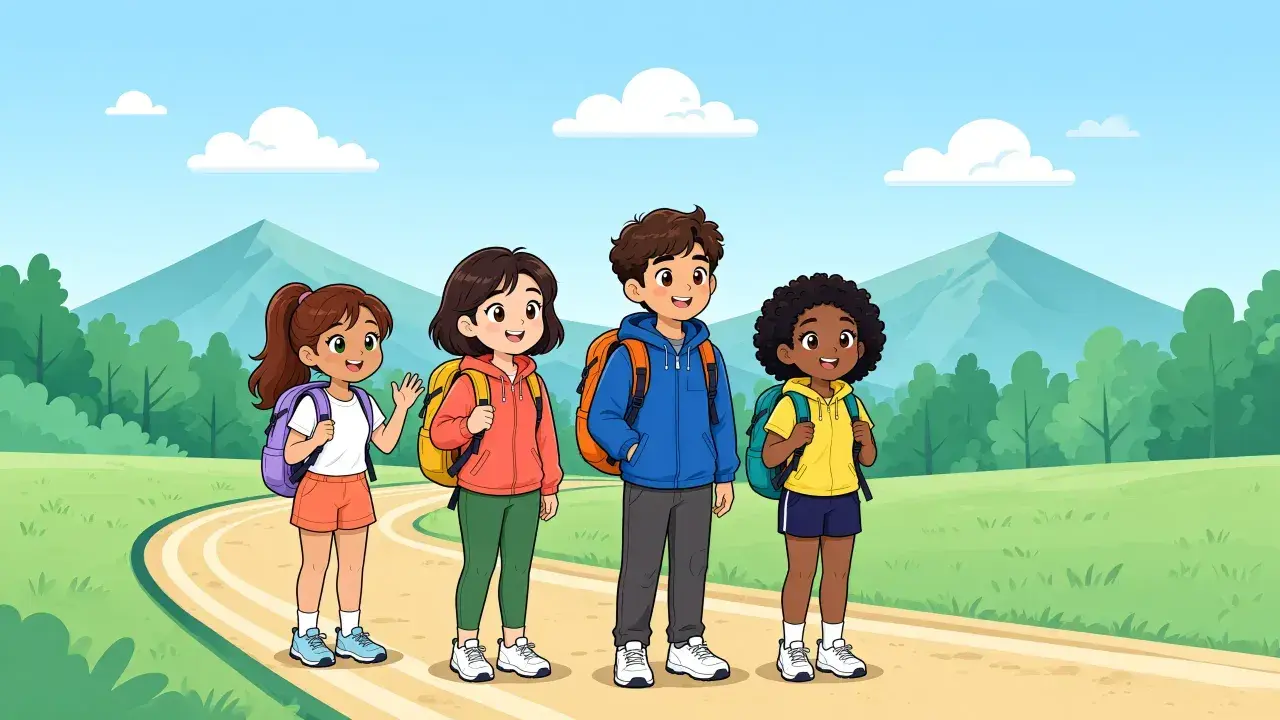
At the festival, people of different generations took on their own roles. A resident in their 70s directed parking, while young people from the village filmed the festival with a drone. In the courtyard of the village hall, elementary school students were getting ready for the festival to begin.
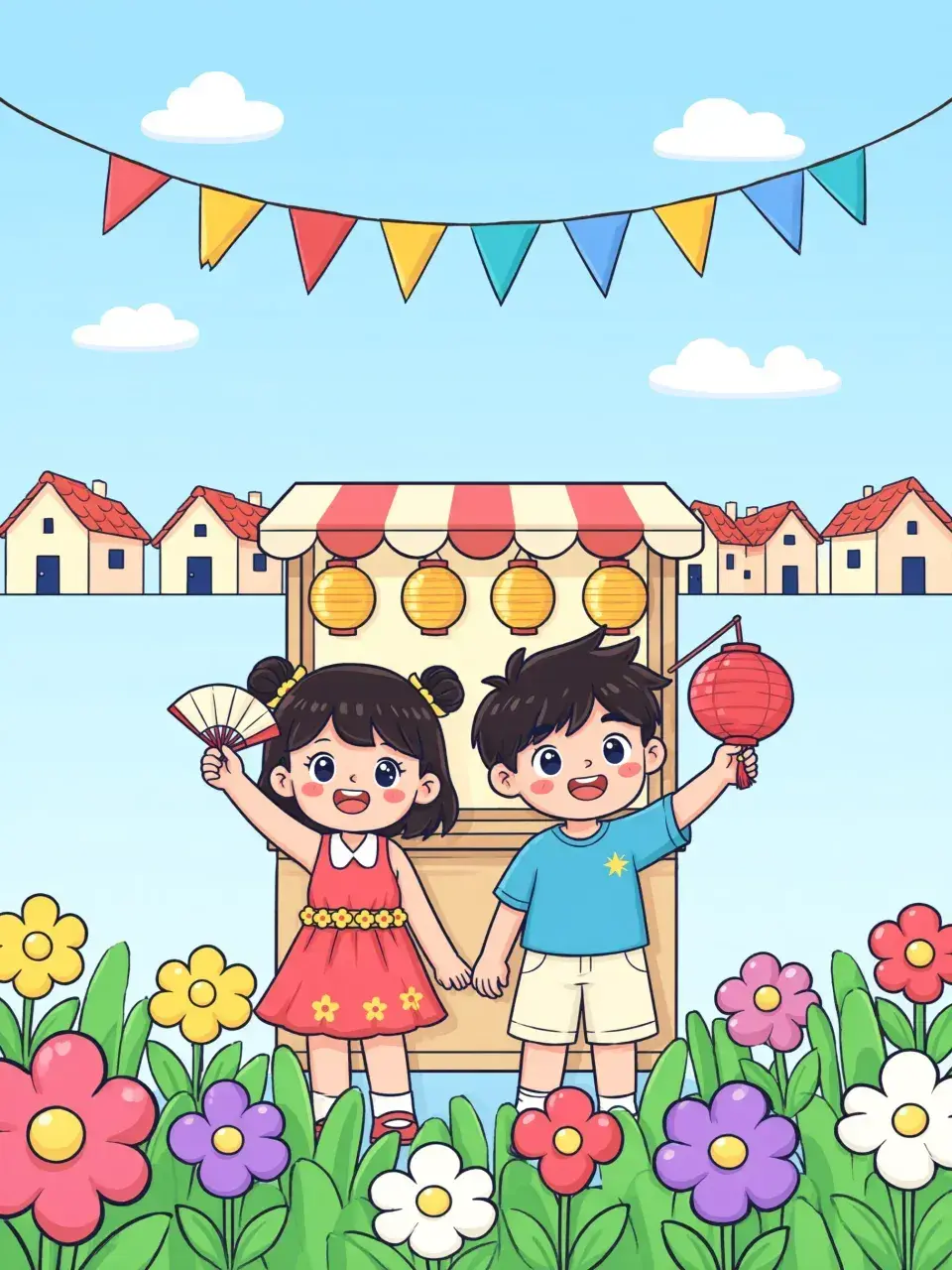
Ha Myeong-hui wrote that among the village festivals she had attended, this was the only one where children had helped with the preparations. The children danced as Rainbow Class (무지개반), and older students played “On the Way to School” on violin and flute. The article describes village elders singing along with the children and children dancing at the back during a percussion performance.
The festival was about more than performances. At the village entrance was a communal flower bed and flower path that elementary school students had helped cultivate. The children made labels for the flower bed with the elders and leveled the soil. As residents sang “Wild Rose” to a harmonica accompaniment, the scent of kudzu blossoms spread. When the emcee asked where the fragrance was coming from, the elders pointed to the elementary school students. This moment is less a confirmation of the scent’s actual source than an illustration of how proud the villagers were of the children.
Festival prizes included fertilizer containers, brush cutters, canes, electric sprayers, travel bags, pots, and toilet paper. Each elementary school student received a pack of toilet paper as a participation gift. The Simok 1-ri (시목1리) percussion club Nandong (난동) also performed. The group was described as bringing together longtime residents and people who had moved to the village, with men and women in their 50s to 70s practicing in their spare time between farm work.
What this story means
At this festival, the children appear not only as performers on stage but also as participants who helped shape the preparations and the village space. Their work tending the communal flower bed and path and getting ready for the festival’s start connected with their performances, showing the children taking part in village life. In this respect, the festival can be seen as an example of generations coming together, beyond a single performance.
The delivery of the scholarship fund was also reported as part of the festival. The confirmed details, however, are that villagers collected the fund and that, near the end of the festival, the village head delivered it to the elementary school. There is no basis for concluding that the people in the percussion club were the same residents who collected the scholarship fund. Nor does the article say that the scholarship money was given directly to students.
This account shows specific scenes from one village festival. There is no confirmed basis for generalizing from it to all rural villages or presenting it as a solution to population problems.
For example, if another village were planning a festival, it could consider what kind of experience children might have if they took part not only in performances but also in preparations or caring for shared spaces. This is an interpretation based on the participation described in this account, not a claim that the same approach would produce the same results in other villages.
Confirmed facts and what remains unknown
Confirmed facts
- Ha Myeong-hui described a festival in a neighboring village, including a resident in their 70s directing parking, young people filming with a drone, and elementary school students helping with preparations.
- The children in Rainbow Class (무지개반) danced, and older students played “On the Way to School” on violin and flute.
- The children made flower-bed labels and leveled the soil with village elders, and helped tend the communal flower bed and flower path at the village entrance.
- The Simok 1-ri (시목1리) percussion club Nandong (난동) was described as a group of men and women in their 50s to 70s, including longtime residents and people who had moved to the village.
- Near the end of the festival, the village head delivered to the elementary school a scholarship fund collected by residents.
What remains unknown
- The village’s administrative location has not been confirmed.
- It is not known when the festival took place or whether it is held every year.
- The number of students at the village elementary school and the amount of the scholarship fund were not provided.
What readers should check
- To compare this festival with examples from other areas, readers would first need to confirm the village’s administrative location and when the festival took place.
- Whether the festival is held regularly, and how the children took part in preparations and tending the communal flower bed, would require further information from the village or school.
- To understand the scholarship in more detail, readers would need to know the amount, who it was intended to support, and the number of students. This account alone does not provide enough information to determine those details.