A cold start to the holiday
South Korea is forecast to have a chilly start to National Foundation Day on October 3, with morning temperatures in most parts of the country falling below 10°C. The forecast low nationwide ranges from 5°C to 16°C. In inland and mountainous parts of Gangwon Province, as well as the northeastern mountains of North Gyeongsang Province, temperatures could drop to 5°C or lower.
The holiday marks the traditional founding of the Korean nation and is observed as a public holiday. People heading out early for events, walks, or autumn trips may find the air much colder than it feels later in the day, so carrying an extra layer could help make the change more comfortable.
The key forecast is a sharp temperature contrast: morning lows of 5–16°C and afternoon highs of 21–25°C.
A temperature gap of about 15°C
After the cold morning, daytime temperatures are expected to rise to 21–25°C. In many areas, the difference between the day’s high and the overnight or early-morning low will be around 15°C. This is known as the diurnal temperature range—the difference between the warmest and coolest temperatures within a day.
A swing of that size can make it difficult to choose what to wear. A light jacket may be useful in the morning, while conditions could feel mild enough for lighter clothing in the afternoon. People spending several hours outdoors may want to dress in layers that can be added or removed as temperatures change.
Sudden changes in temperature can also be uncomfortable for some people, particularly older adults and those with existing health concerns. Checking local conditions before leaving home and avoiding prolonged exposure to the cold early in the day are practical ways to prepare; anyone with specific medical concerns should follow advice from a health professional.
Mostly clear skies, with more clouds later
The country is expected to be mostly clear at first, with clouds gradually increasing from the morning onward. The forecast does not call for widespread rain in the report, but conditions can vary by location, especially in mountainous areas.
For people planning outdoor activities, the clearest skies may be earlier in the day, though temperatures will also be lowest then. Checking a local forecast before setting out is particularly useful for trips into the mountains, where conditions can differ from those in nearby cities and lowlands.
Frost and possible ice in higher terrain
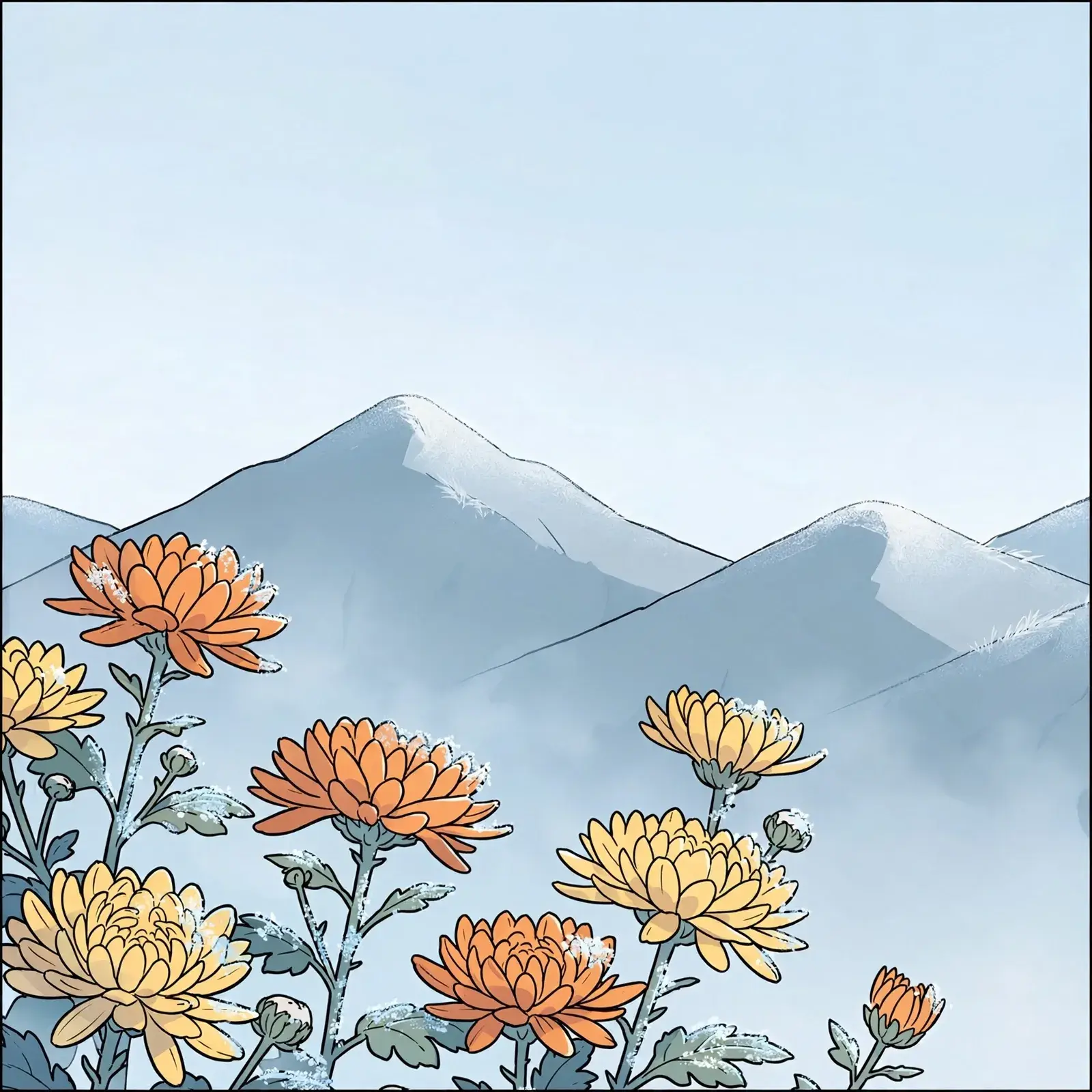
Frost is possible in parts of northeastern Gyeonggi Province, inland and mountainous areas of Gangwon Province, the northeastern mountains of North Gyeongsang Province, and eastern North Jeolla Province. Frost forms when surfaces cool enough for water vapor to freeze into tiny ice crystals. Even a thin layer can matter to sensitive crops, especially if plants are exposed during the coldest hours before sunrise.
Ice may form in the higher mountains of Gangwon Province. At elevation, temperatures can be lower than in surrounding valleys, so hikers and other visitors should be prepared for colder conditions and potentially slippery ground. The forecast specifically points to a risk of ice in high mountain areas, rather than across the country as a whole.
- Possible frost: parts of northeastern Gyeonggi, Gangwon’s inland and mountain areas, northeastern North Gyeongsang, and eastern North Jeolla.
- Possible ice: high mountain areas of Gangwon Province.
- Agricultural concern: sudden temperature changes and frost may harm vulnerable crops.
Farmers urged to protect crops
The sharp shift in temperature is also a concern for agriculture. The weather service has advised farmers to take particular care with crops, as cold overnight conditions can affect plants even when the following afternoon is relatively mild. The level of risk will depend on the crop, its growth stage, and local temperatures.
Farmers can use local forecasts to identify the coldest periods and check whether vulnerable fields need protection. The warning is most relevant to locations where frost is forecast; it does not mean that all crops across the country will be affected.
What to keep in mind
The main pattern for the holiday is a cold morning followed by a much warmer afternoon, with skies turning gradually cloudier. Those traveling early may want an extra layer, while visitors to high mountain areas should prepare for colder conditions and the possibility of ice. People working outdoors or managing crops should also pay attention to local forecasts, since frost risk is concentrated in particular inland and mountainous locations.
In short: prepare for a cold start, a mild afternoon, and localized frost or ice—not a uniform cold snap across the entire country.