G7 Announces a Major Fuel Release
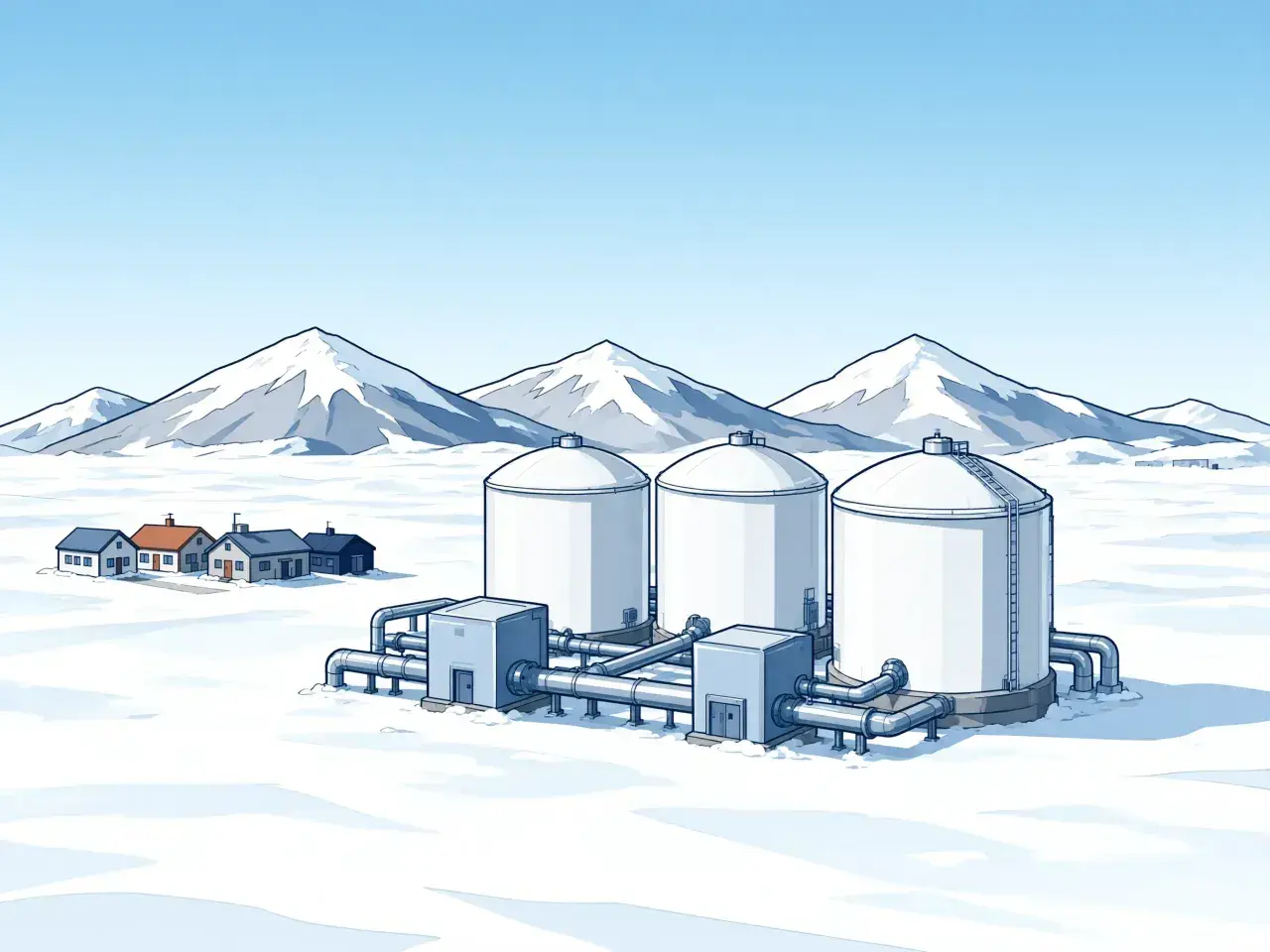
The Group of Seven (G7), a group of seven major industrialized democracies, said Friday that its members plan to release 100 million barrels of oil and fuel products in the coming weeks. The move is intended to address soaring energy costs, with diesel supply set to be an early priority.
The G7 statement promised a “frontloaded substantial release” of diesel within the next 20 days. “Frontloaded” means that a significant share is scheduled to arrive early in the overall release period, rather than being spread evenly over time.
The G7’s plan covers 100 million barrels of oil and fuel products, with a substantial amount of diesel due within 20 days.
Trump Says Diesel Will Come First
President Donald Trump said on Friday that the diesel release would happen “immediately” and announced the action on social media. His timeline sounds faster than the G7 statement’s commitment to deliver a substantial amount within 20 days, though the two announcements both place diesel at the front of the response.
The statement, as described, does not specify how the full release will be divided among participating countries or exactly when each shipment will reach markets. The amount of fuel available at a given time can also depend on how quickly it can be transported, processed, and delivered to businesses and consumers.
Why Diesel Prices Matter
The average U.S. price for a gallon of diesel was $6.37 on Friday, according to the American Automobile Association. Diesel had recently reached record-high prices, intensifying concern among households, businesses, and policymakers.
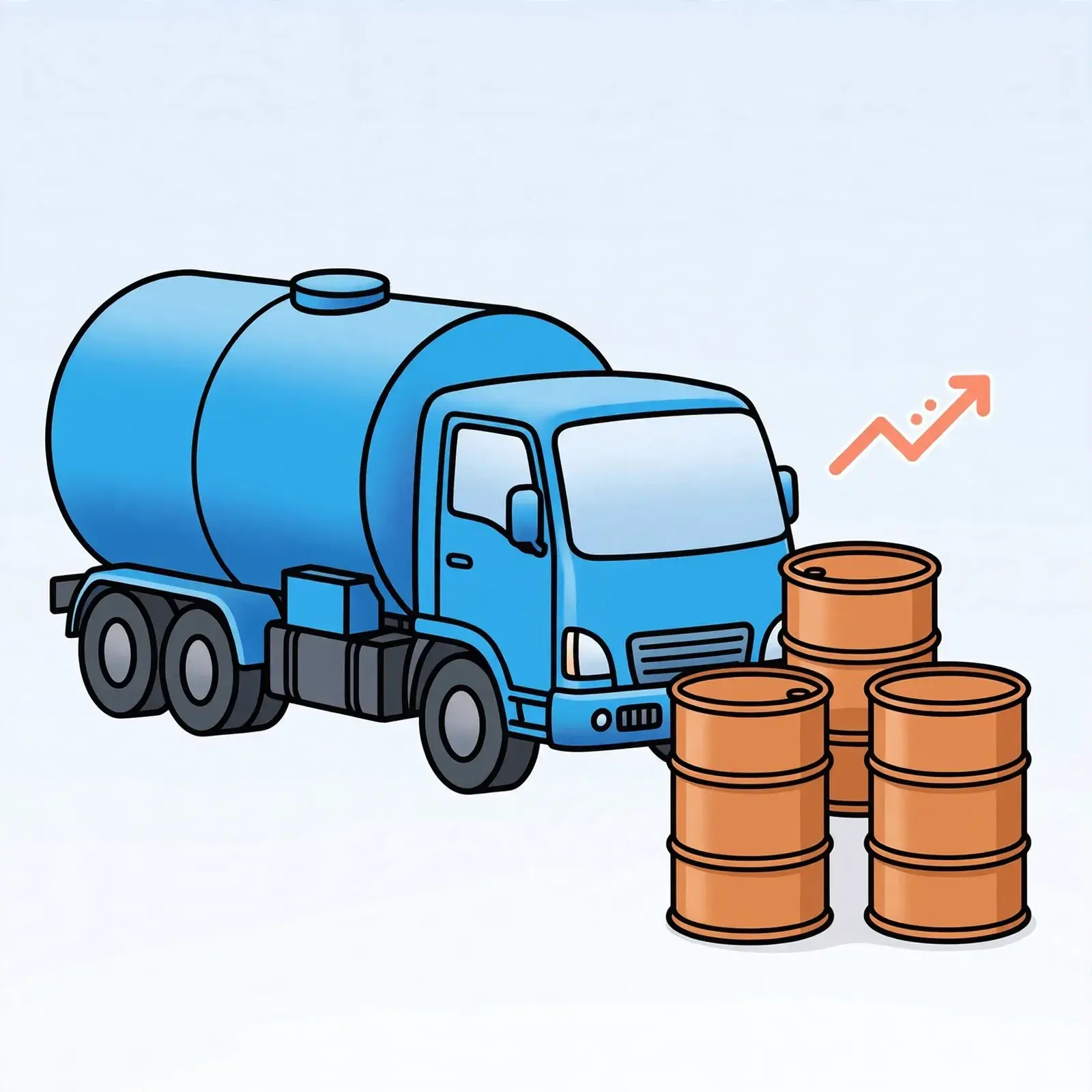
Diesel is used by many heavy-duty trucks, farm vehicles, construction equipment, and ships. When it becomes more expensive, the cost of moving goods can rise too: a delivery company may pay more to operate its trucks, and some of that expense can eventually show up in the prices shoppers see at stores.
How higher fuel costs can spread
- Transportation: Trucking and shipping companies often rely on diesel to move goods over long distances.
- Food and farming: Farm machinery and refrigerated transport can add fuel costs to producing and delivering food.
- Household budgets: People who use diesel for heating or transportation may face higher direct expenses.
- Business decisions: Companies may absorb some fuel costs, pass them on to customers, or reduce other spending.
The effect is not always immediate or identical for every product. It depends on how much fuel a business uses, whether it has long-term supply agreements, and how much of the extra cost it chooses to pass along.
Energy Costs and the Iran War
The announcement comes during an eight-month-long war involving Iran, which has contributed to higher fuel prices in the United States and abroad. Trump has argued that the costs are worthwhile if military action prevents Iran from obtaining nuclear weapons.
Oil prices can react to uncertainty about conflict, supply routes, and the amount of crude available to global buyers. Crude oil is the raw material that refineries process into products such as gasoline and diesel; a change in crude supply or market expectations can therefore affect the cost of fuels, although prices also depend on refining capacity, transportation, and demand.
The G7’s release may add supply to the market, but it does not by itself guarantee that prices will fall quickly. The impact will depend on the size and timing of deliveries, the broader availability of fuel, and how buyers and sellers respond to the announcement.
Political Pressure Ahead of the Midterms
The fuel announcement also comes as Trump and his Republican Party face pressure to address rising prices before the November 3 midterm elections. The president’s approval rating on the economy reached a new low in an AP-NORC poll, as the Iran war and trade disputes have contributed to higher costs for oil and other goods.
Energy prices are especially visible to voters because people encounter them directly at gas stations and, in some cases, through heating bills. They can also influence the cost of everyday products when businesses pay more to manufacture or transport them.
The release is both an energy-market response and a political test: voters will judge whether action on fuel supply translates into meaningful relief at the pump and in household budgets.
What the Plan Could—and Could Not—Do
Releasing a large volume of fuel can help ease concerns about supply, particularly if deliveries arrive when markets are under pressure. But a planned release is not the same as an immediate price reduction: fuel has to reach the market, and global prices are shaped by conditions well beyond one announcement.
The G7 has not, in the information provided, detailed how the 100 million barrels will be allocated between oil and refined fuel products. Nor has it laid out a country-by-country schedule for the full release. Those details will matter in assessing how much of the plan becomes available quickly and where its effects are most likely to be felt.
What to watch next
- Timing: Whether the substantial diesel release begins on the schedule described by the G7.
- Delivery: How quickly fuel reaches markets and businesses that need it.
- Prices: Whether diesel and other energy costs ease after supplies arrive.
- Political response: Whether voters view the measure as effective ahead of the midterm elections.
The Broader Outlook
The G7’s decision signals that major economies are seeking a coordinated response to sharply higher fuel costs. Its practical impact will depend on implementation: the volume delivered, the speed of distribution, and whether wider market pressures continue to push prices upward.
For drivers, freight companies, farmers, and households, the key question is not only how much fuel governments announce they will release, but when that fuel becomes available and whether it lowers the costs people actually pay. The next several weeks should provide a clearer picture of whether the plan brings short-term relief or mainly offers reassurance to markets.