Japan’s aging population brings a difficult bill
Japan is facing renewed debate over who should pay for long-term care as the country’s population grows older and the cost of supporting people who need daily assistance continues to rise. The number of residents aged 100 and over has reached 107,677, crossing the 100,000 mark for the first time since the government began keeping records. Women account for about 88% of this group.
The milestone highlights a broader demographic shift. When Japan first counted people aged 100 and over in 1963, there were just 153; over the following 63 years, the total grew more than 700-fold. Longer lives are a sign of social and medical progress, but they also mean more people may need help with everyday activities such as bathing, dressing, or preparing meals.
Japan’s debate is not simply about raising a percentage. It is about how to share the cost of care between older people who use services and the working-age population that helps finance the system.
Long-term care spending has tripled
Japan’s long-term care insurance program, known in the country as kaigo hoken, helps cover services for people who need ongoing support because of age or disability. The program began in 2000, and its benefit spending reached 13.2973 trillion yen in 2024, about three times the level recorded when the system started. The article puts that amount at roughly 100 trillion won.
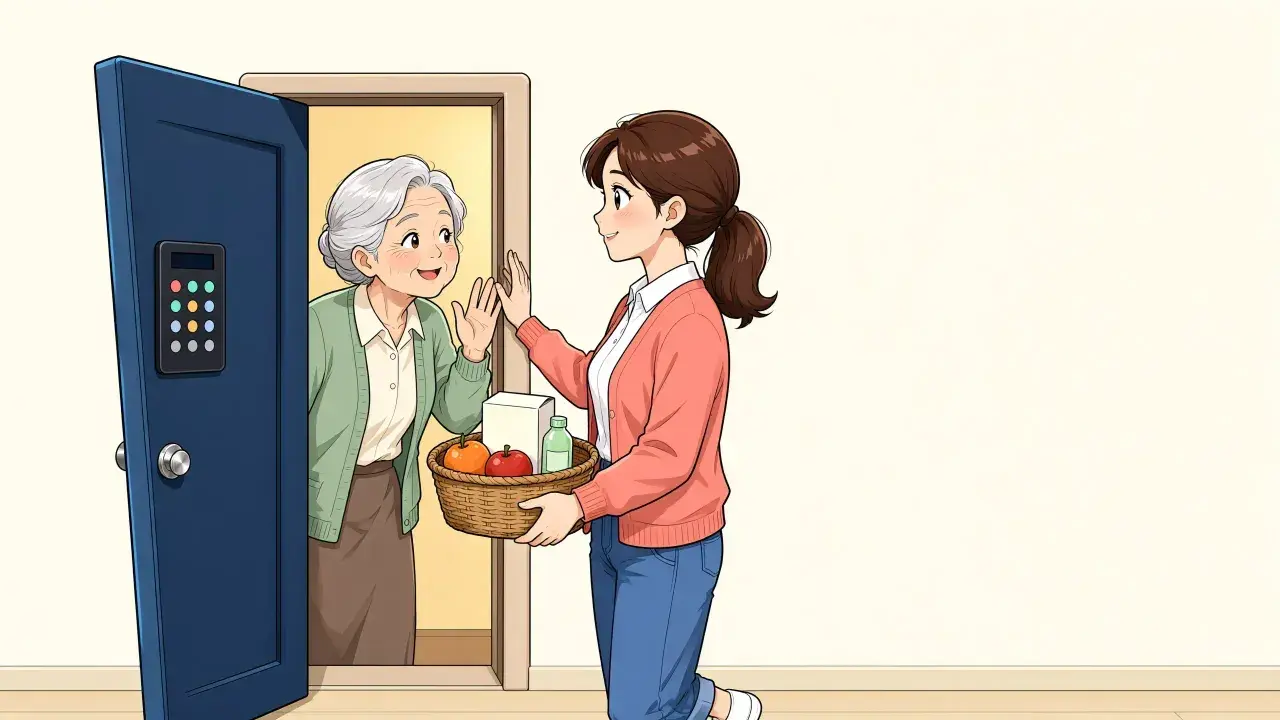
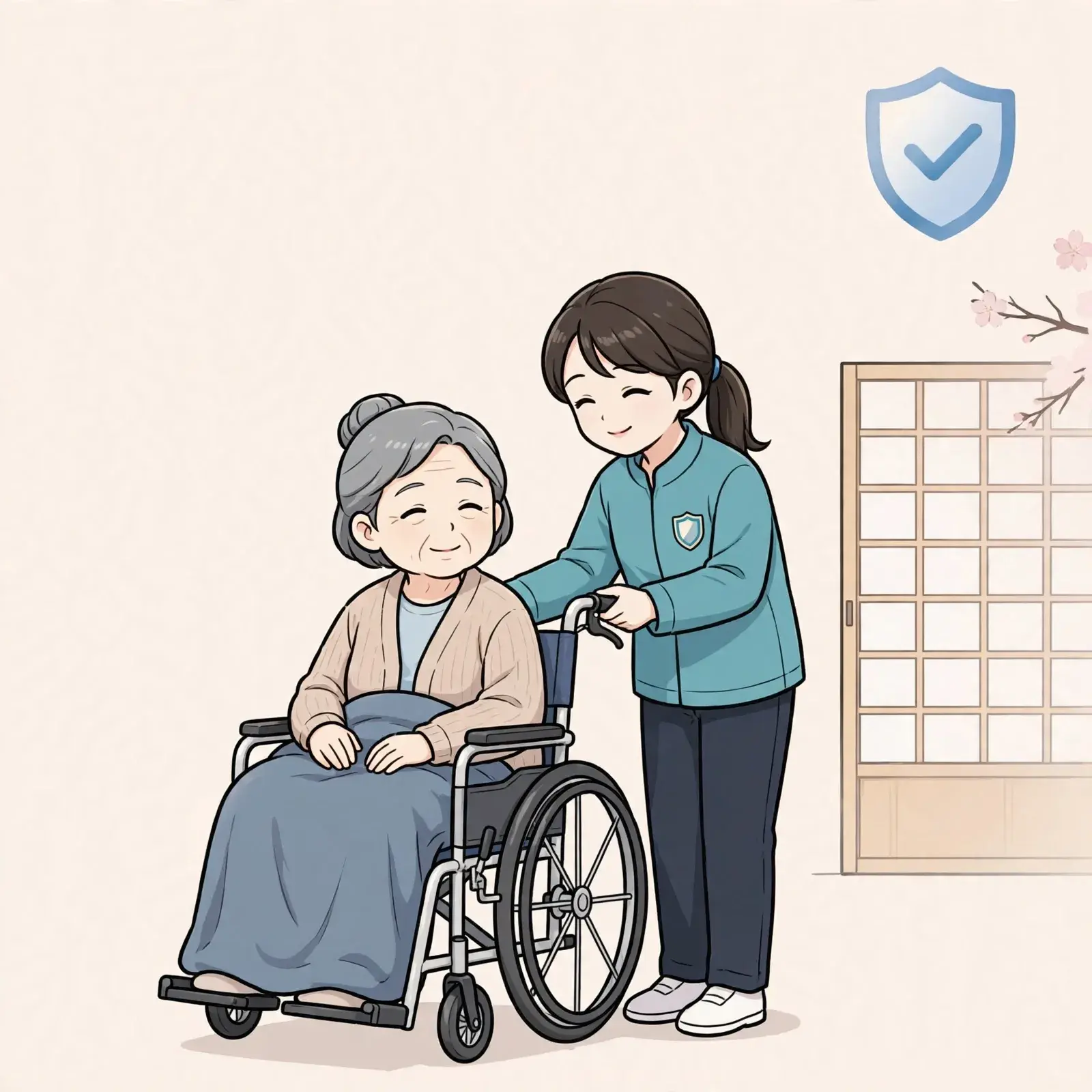
Long-term care benefits can pay for support at home, day services, or care in a facility, depending on a person’s needs and eligibility. As a simple example, someone who can no longer manage household tasks alone may receive help with meals or personal care. When more people require such services over longer periods, the total cost grows—even if the level of support for each individual does not change.
That spending must be financed through the insurance system and public resources. As demand rises, policymakers face pressure to keep the program affordable for people who pay into it while ensuring that older adults who need help can still obtain care. The question is especially sensitive because the same people may be on fixed incomes and facing higher prices for food, utilities, and housing.
The proposal: expand the 20% payment tier
At present, users generally pay 10% of the cost of long-term care services out of pocket. People above certain income thresholds pay more: some pay 20%, while those with higher incomes pay 30%. The current discussion centers on whether to widen the group subject to the 20% rate.
In September, Japan’s Ministry of Health, Labour and Welfare placed the issue on the agenda of a meeting of its advisory panel on long-term care insurance. The proposal concerns the user’s share of service costs—not, by itself, a blanket increase for every person receiving care. Who would be affected depends on how the government defines the income threshold and other criteria.
A change in the threshold could have very different consequences for different households. Someone with savings or a stable pension might be able to absorb a higher share, while a person with similar income but substantial medical or housing expenses could struggle. That is why the debate is also about how accurately the rules measure a person’s actual ability to pay.
Why supporters favor a larger contribution
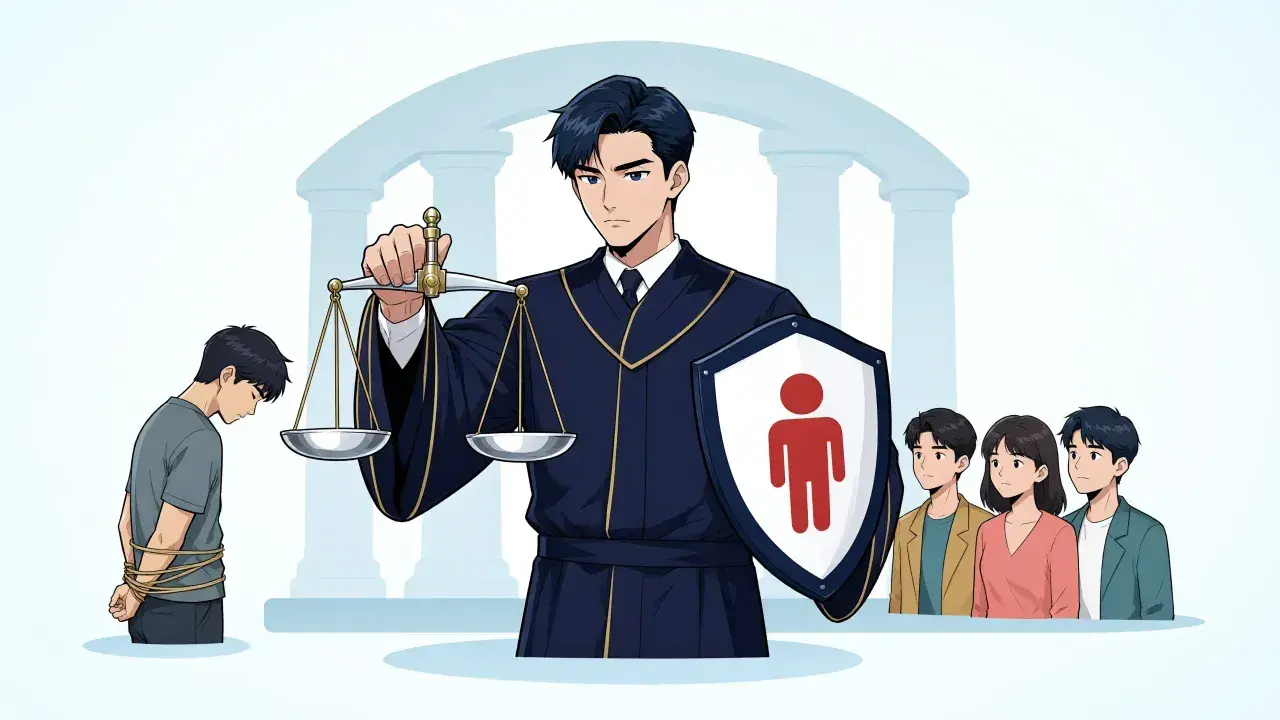
Supporters of expanding the 20% tier argue that the financial burden on people of working age has reached a critical point. They say people with greater ability to pay should contribute more, a principle sometimes called ability-to-pay financing (setting contributions according to what a person can afford). In their view, revising the rules promptly could help limit pressure on workers and preserve funding for the care system.
Their argument reflects a wider challenge in aging societies: fewer workers may be supporting a growing number of retirees and care users. If costs rise but the funding structure does not adapt, governments may have to seek more money elsewhere, reduce other spending, or ask contributors to pay more. Supporters contend that higher contributions from some users could be part of a fairer balance, provided people with limited means remain protected.
Why critics urge caution
Opponents warn that a higher out-of-pocket share could lead some older people to reduce or stop using services they need. A person who cannot afford regular home-care visits, for instance, might go without help with bathing or meals, shifting pressure to family members or potentially worsening their health. In this view, savings for the insurance system could come with costs elsewhere if people delay care until their needs become more serious.
Critics also say that household budgets are under strain as prices rise. They argue the government should examine real ability to pay before changing the thresholds, rather than assuming that income alone shows whether someone can afford a larger bill. A policy intended to protect the system’s finances, they say, should not make essential care inaccessible to people who depend on it.
A decision postponed repeatedly
This is not the first time Japan has considered broadening the 20% payment category. Since 2022, the government has postponed a decision on the issue four times. Electoral considerations, opposition from parts of the care industry, rising living costs, and competing discussions over how to finance social programs have all contributed to the delays.
The latest government policy document has raised the stakes. Japan’s Cabinet approved the Basic Policy on Economic and Fiscal Management and Reform 2026 in July, setting out a commitment to review the criteria for paying 20% and reach a conclusion during 2026. The current round is therefore another test of whether the government can settle an issue that has repeatedly stalled.
Why the timetable matters
A clear decision could give care users, families, providers, and taxpayers a better sense of what to expect. But reaching a decision does not automatically resolve the practical questions: which income groups would be affected, how people with high expenses would be treated, and what protections would be available for those at risk of cutting back on care. The design of the policy may matter as much as the headline payment rate.
The balance Japan must strike
The debate brings two important goals into conflict. Japan needs a financially sustainable system so that long-term care remains available as demand grows; at the same time, people who need assistance must be able to use services without facing unaffordable bills. Any change will distribute costs differently among users, working-age contributors, families, and public finances.
Key questions for policymakers include:
- Where to set the income threshold: A higher threshold would limit the number of people moved into the 20% tier, while a lower one would affect more users.
- How to account for real expenses: Income alone may not capture medical bills, housing costs, or other demands on a household budget.
- How to prevent care from being skipped: Policymakers will need to consider whether people might cut essential services when their share rises.
- Who ultimately bears the cost: Changes to user payments could ease some pressure on contributors, but the wider system still needs adequate funding.
What to watch next
The government’s 2026 decision will show whether Japan is prepared to alter the rules after years of delay. The outcome will also offer a test of how an aging society can divide the costs of care without undermining access to support. The central measure of success will not be only whether spending is controlled, but whether people who need help can continue to receive it.