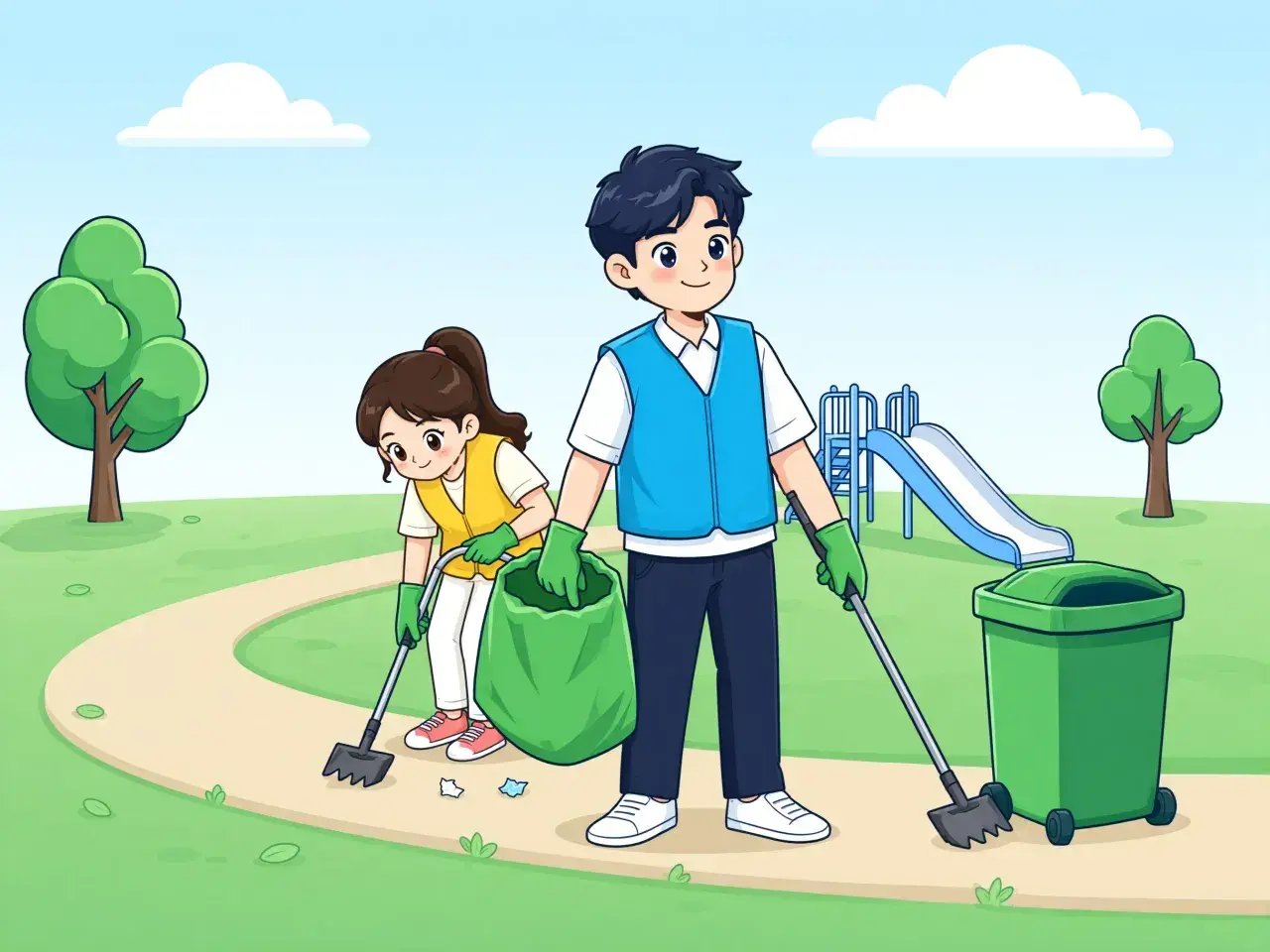
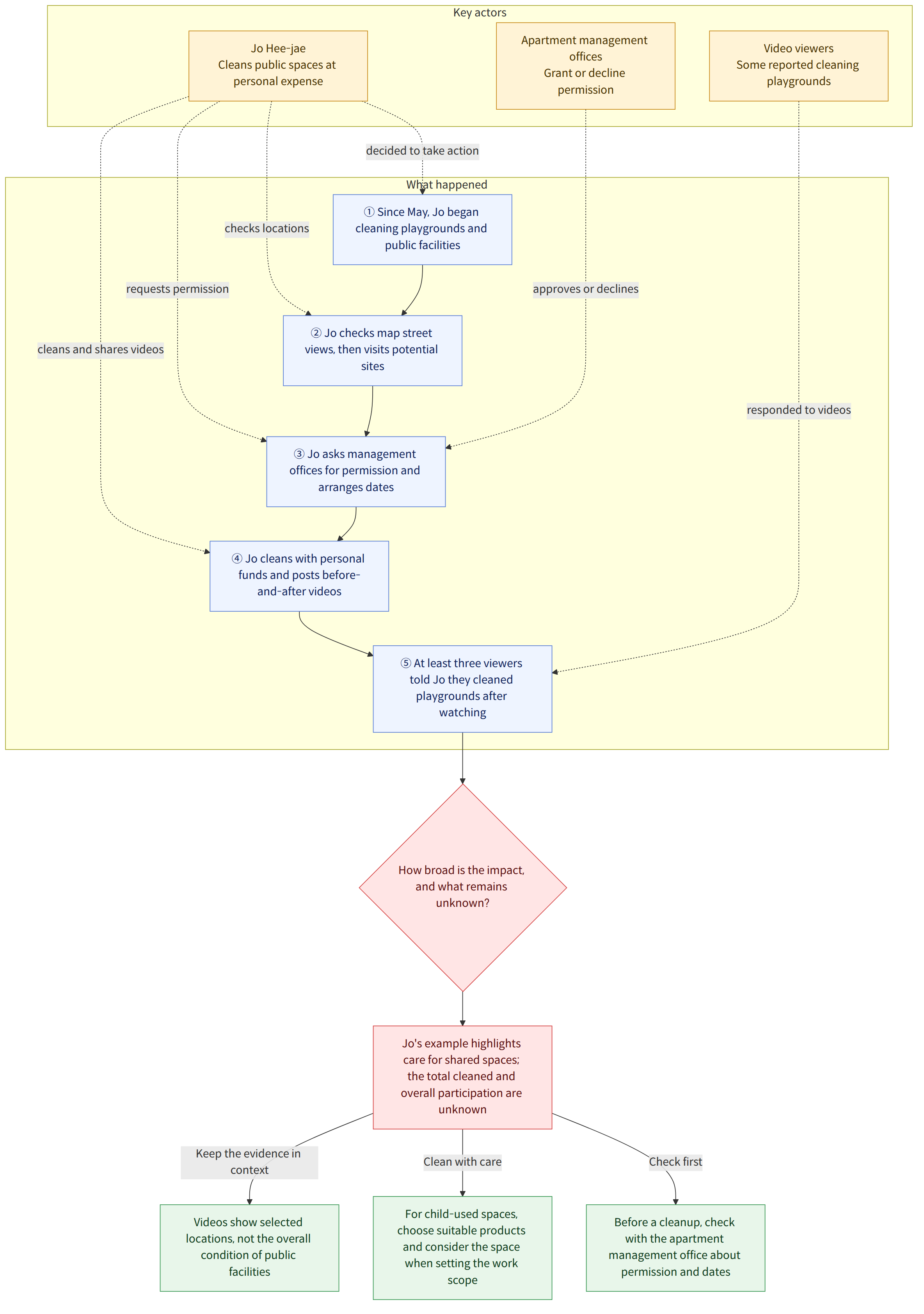
Since May, Jo Hee-jae, 30, has been spending their free time cleaning apartment playgrounds and public facilities in Seoul and northern Gyeonggi Province. Jo pays for the work themselves. They post before-and-after videos on their Instagram account, “Public Space Cleanup Lab” (공공정화연구소), and their current goal is to clean 100 public facilities.
Background and context
After seeing dirty playgrounds and public facilities and thinking, “It would be nice if someone cleaned them,” Jo decided to take action. Jo runs a small real estate business with an older brother. They initially cleaned railings along hiking trails, then expanded their work to seesaws, slides, signs, fire hydrants and public bicycles. The thought of where their one-year-old niece or nephew might play also influenced Jo’s desire to keep playgrounds clean.
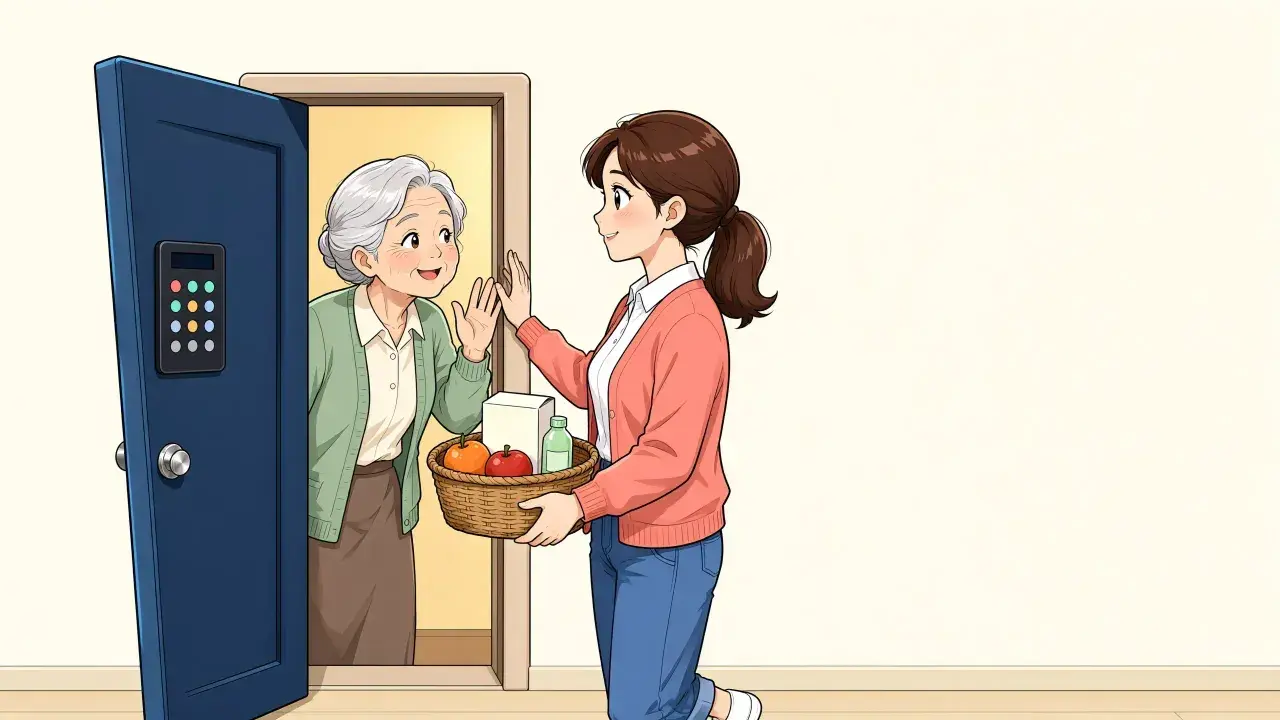
Jo has a specific process for finding places to clean. They check apartment-complex street views on Naver Map (네이버 지도) and save potential locations, then visit in person to identify places that need cleaning. Next, they ask the apartment management office for permission and arrange a date. If the management office declines, Jo moves on to another location.
Jo goes out to clean once or twice a week and sometimes visits two or three playgrounds in one trip. They clean about 10 locations a month, and each piece of equipment takes 30 to 40 minutes to clean. Jo said their monthly expenses include about 300,000 won for fuel and about 100,000 won for supplies such as detergent. Because children use these spaces, Jo avoids bleach and harsh chemicals and uses eco-friendly detergent.
What this story means
What stands out in this case is not just the cleaning itself, but also the process of one person checking the condition of a public space, asking for permission and taking action. Rather than reading this as meaning that public agencies or facility managers are no longer responsible, the case can be seen as an individual taking an interest in shared spaces that are easy to overlook in everyday life.
Videos can also prompt people to act. Jo said that at least three people had told them they cleaned playgrounds after watching the videos. These are cases Jo heard about, however, not a count of all participants or a measure of the activity’s overall scale. Jo said they would like to invite their Instagram followers to join them in cleaning their own neighborhoods in the future.
For example, if residents want to clean a playground they saw in a video, they can follow Jo’s approach and first ask the apartment management office for permission and arrange a date. Depending on the location, the management office may say it will handle the cleaning itself or may deny permission, so people should not assume they have approval and start work right away. Jo’s case also shows that the choice of detergent should take into account the people who use the space, especially when cleaning areas used by children.
Confirmed facts and what remains unknown
Confirmed facts
- Since May, Jo has been cleaning playgrounds and public facilities in Seoul and northern Gyeonggi Province, covering the costs themselves.
- Jo chooses locations after checking street views and visiting in person, and asks apartment management offices for permission.
- Jo said they clean about 10 locations a month and spend 30 to 40 minutes on each piece of equipment.
- At least three people have told Jo they cleaned a playground after watching the videos.
- Jo’s current goal is to clean 100 public facilities, and they said they have no specific plans beyond that.
What remains unknown
- The total number of public facilities Jo has cleaned so far cannot be confirmed from the information made public.
- It is not known how many of the management offices Jo asked actually granted permission.
- The total number of people who have taken part in Jo’s cleaning activities so far is also unknown.
What readers can check
- If planning a similar cleanup, people can check with the relevant apartment management office beforehand about permission and available dates.
- In places used by children, such as playgrounds, it is important to choose cleaning products and determine the scope of the work with the users and the characteristics of the space in mind.
- Jo’s videos show an individual’s cleaning activities, so the overall condition of public facilities cannot be judged solely from the locations or examples shown in the videos.