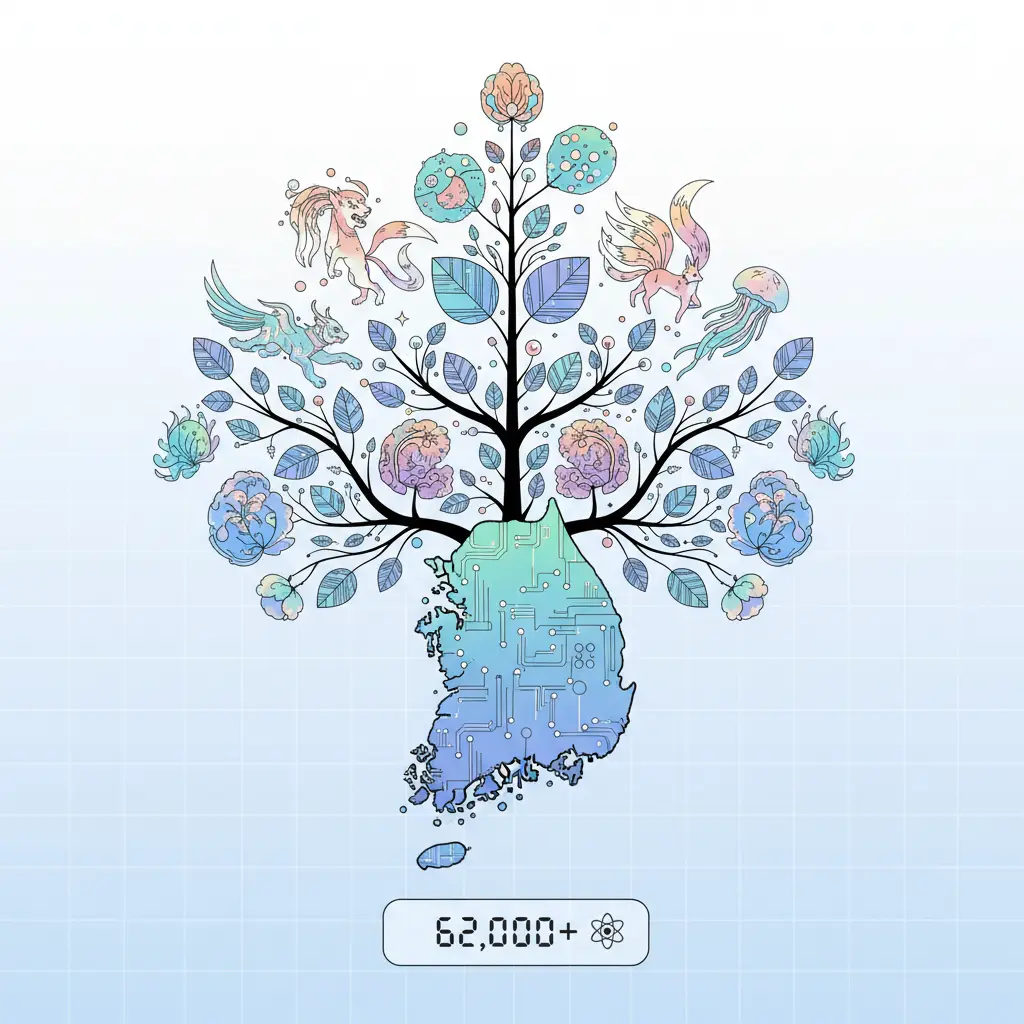
A New Chapter for South Korea's Ecosystem
The number of biological species (groups of organisms that share similar characteristics) living in South Korea has officially surpassed the 62,000 mark. This achievement highlights the richness of the nation's natural environment.
Every year, experts conduct thorough investigations to identify and catalog the various life forms inhabiting our mountains, rivers, and seas. The latest data shows a steady increase in the known variety of life.
Meet the Newest Member: Potentilla rhizoma
Among the newly recorded species is a unique plant named Potentilla rhizoma. This plant, belonging to the Rosaceae (Rose) family, was recently added to the national list of biological resources.
Key Statistic: As of the latest report, the total number of documented species stands at 62,604.
This discovery is a prime example of how scientific exploration continues to reveal hidden gems within the Korean peninsula's diverse landscape.
The Importance of Mapping Biodiversity
Keeping a detailed record of every living thing is not just about counting; it is about protecting the future. This practice is essential for maintaining biological sovereignty (a nation's legal right over the biological resources found within its borders).
- Ecosystem Health: Higher biodiversity (the variety of life in a particular habitat) ensures that nature can recover faster from environmental changes.
- Scientific Research: Many species provide the raw materials for new medicines and sustainable technologies.
- Conservation Efforts: Knowing exactly what lives in an area allows the government to create better laws to protect endangered habitats.
As research continues, the number of recorded species is expected to grow, further strengthening Korea's natural legacy.