A worrying season at a major whale nursery
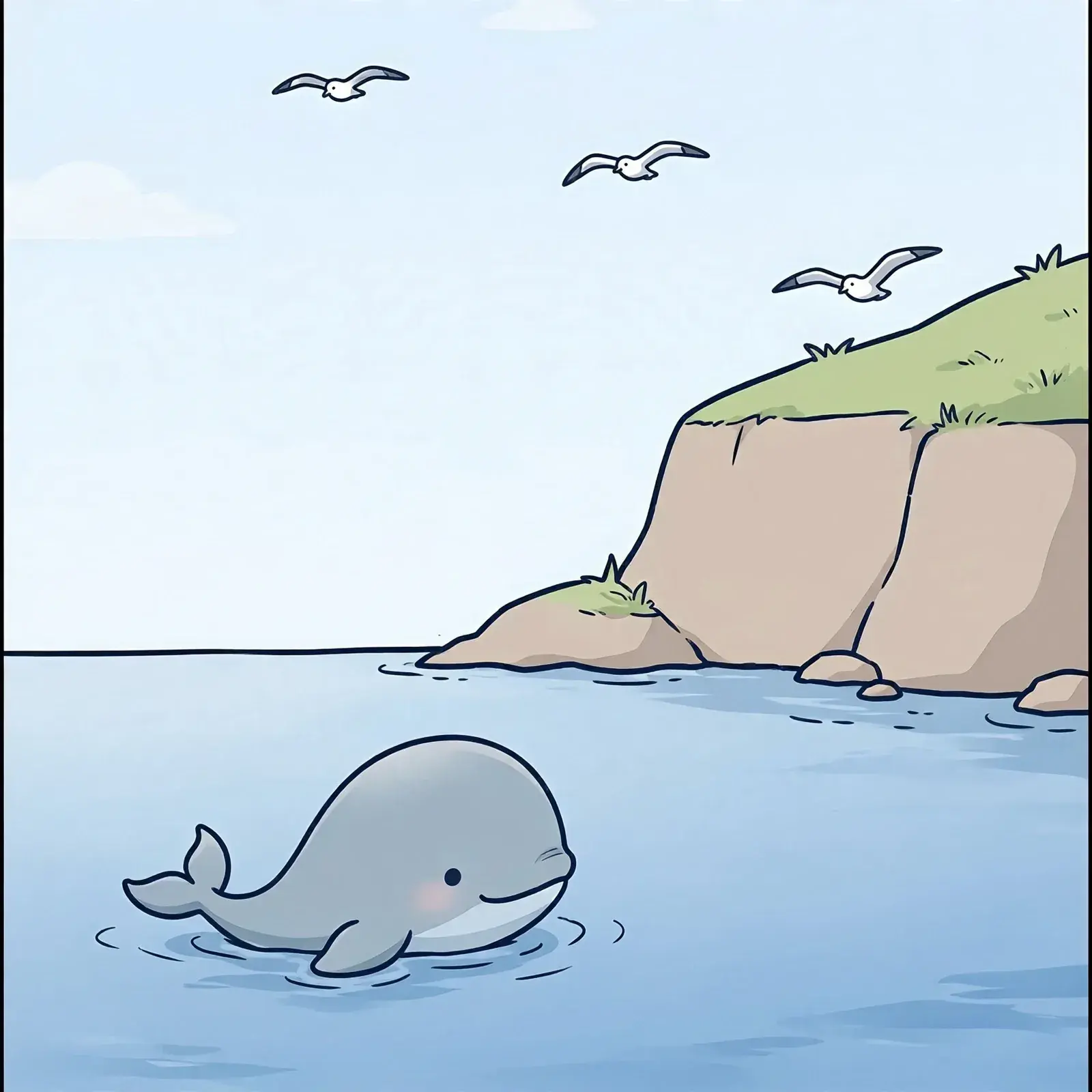
Southern right whale calves have been dying in unusually large numbers along Argentina’s Patagonian coast since June. In late September, dozens of carcasses were found near beaches outside Puerto Madryn, close to the Valdes Peninsula, one of the world’s most important places for the species to give birth and raise its young.
The deaths have prompted an urgent investigation. Scientists are looking at several possible factors, including wounds caused by gulls, bacterial infection, and environmental changes in the ocean. No single cause has yet been confirmed.
Researchers warn that this year’s calf deaths could exceed the 113 recorded in 2012, although the current total has not yet been finalized.
Why the Valdes Peninsula matters
Southern right whales migrate to the sheltered waters around the Valdes Peninsula to give birth and care for their calves. The area is recognized internationally for its importance to marine life and was designated a UNESCO World Heritage site in 1999.
A breeding ground is more than a place where animals gather: it is where the next generation gets its earliest chance to survive. Calves depend on their mothers for nourishment and protection, and the shallow coastal waters provide a relatively sheltered setting during this vulnerable period.
The species was severely reduced by commercial whaling before international protections helped its population recover. Repeated losses among young whales could weaken that recovery, particularly if deaths are concentrated in one breeding season or continue over several years.
Why calf deaths can have lasting effects
Adult whales that survive to reproduce help sustain the population, but calves represent its future. When many die before reaching maturity, fewer may eventually return to breed. The effects can take years to become visible in population counts, making careful monitoring important even after an immediate crisis has passed.
How gulls may injure young whales
Gulls have learned to peck at the skin and blubber of whales that surface to breathe. Adult whales can often reduce their exposure by keeping most of their backs underwater and raising only their heads above the surface. Calves may be less able to use this defensive behavior, leaving them more vulnerable to repeated attacks.
The resulting wounds may provide a route for bacteria to enter the body. Researchers have detected bacteria in skin and organ samples taken from dead whales and are now working to identify the organisms and determine whether infection contributed to the deaths. Finding bacteria alone does not establish that they caused an animal to die; investigators must assess the evidence alongside other possible explanations.
What scientists still need to establish
- The scale of the die-off: The final number of dead calves has not been confirmed.
- The role of gull attacks: Researchers need to determine how widespread the wounds are and whether they are severe enough to affect survival.
- The role of infection: Tests must clarify which bacteria are present and whether they caused or worsened illness.
- Other contributing factors: Conditions such as warmer water or changes in food availability could also affect the whales’ health.
Human waste may be changing gull behavior
The attacks may also be connected to human activity, though this does not mean gulls alone are responsible for the deaths. Research examining observations from 1995 to 2019 found an association between more frequent, more intense gull attacks and an increased risk of death for calves.
One proposed link is food waste. Household rubbish and discarded material from fishing can provide gulls with an abundant, predictable source of food. When food is easy to find near human settlements or fishing activity, gull populations may grow or spend more time in areas where whales are raising their young.
This is a familiar pattern in many ecosystems: waste left behind by people can unintentionally feed wildlife and alter where animals gather or how they behave. Improving waste handling and reducing fishing-related discards could therefore be part of a broader effort to limit pressure on whales, even though those measures cannot by themselves explain this year’s deaths.
Conservation researchers have urged communities to address the human-made conditions that may support the attacks, rather than treating gulls as the sole problem.
Climate and ocean conditions are also under scrutiny
Scientists are considering whether warmer water, potentially associated with climate change or an El Niño event, could make bacterial infections more dangerous. Warmer conditions can affect marine ecosystems in several ways, including changing where animals and microbes are found. But researchers have not established that ocean warming or El Niño caused the current die-off.
The possibilities may also overlap. A calf weakened by repeated injuries could be less able to withstand infection, while environmental conditions could influence how easily an infection develops or how severe it becomes. Investigators will need to compare evidence from whale samples with observations of the animals and conditions in the region.
Why a careful investigation matters
A sudden cluster of deaths can have multiple causes rather than one clear culprit. Separating a direct cause of death from conditions that made an animal more vulnerable is important for choosing effective protections. For example, reducing accessible waste could address one pressure, while monitoring water conditions and disease would help identify other risks.
What happens next
Researchers are continuing to analyze tissue from the carcasses and establish a more reliable count of the dead calves. The results could clarify whether bacterial disease played a role and how closely it may be connected to gull wounds. Until that work is complete, the cause of the mass deaths remains uncertain.
The investigation also raises a practical conservation question: which risks can people reduce? If human-generated waste is helping sustain gull populations or intensify their attacks, better waste management and changes in fishing practices may help lessen pressure on calves. Scientists say the response should be guided by evidence, especially because the animals return to the same important breeding waters each year.
“If the cause is connected to human activity, we need to change what we are doing. We do not want to put these whales at risk again,” said investigation leader Marcela Uhart.
For now, the deaths are a serious warning, not a settled explanation. Protecting the Valdes Peninsula’s whale population will depend on understanding the immediate cause of this year’s losses while also addressing preventable pressures created by human activity.