The Chokepoint of Global Energy: The Strait of Hormuz Crisis
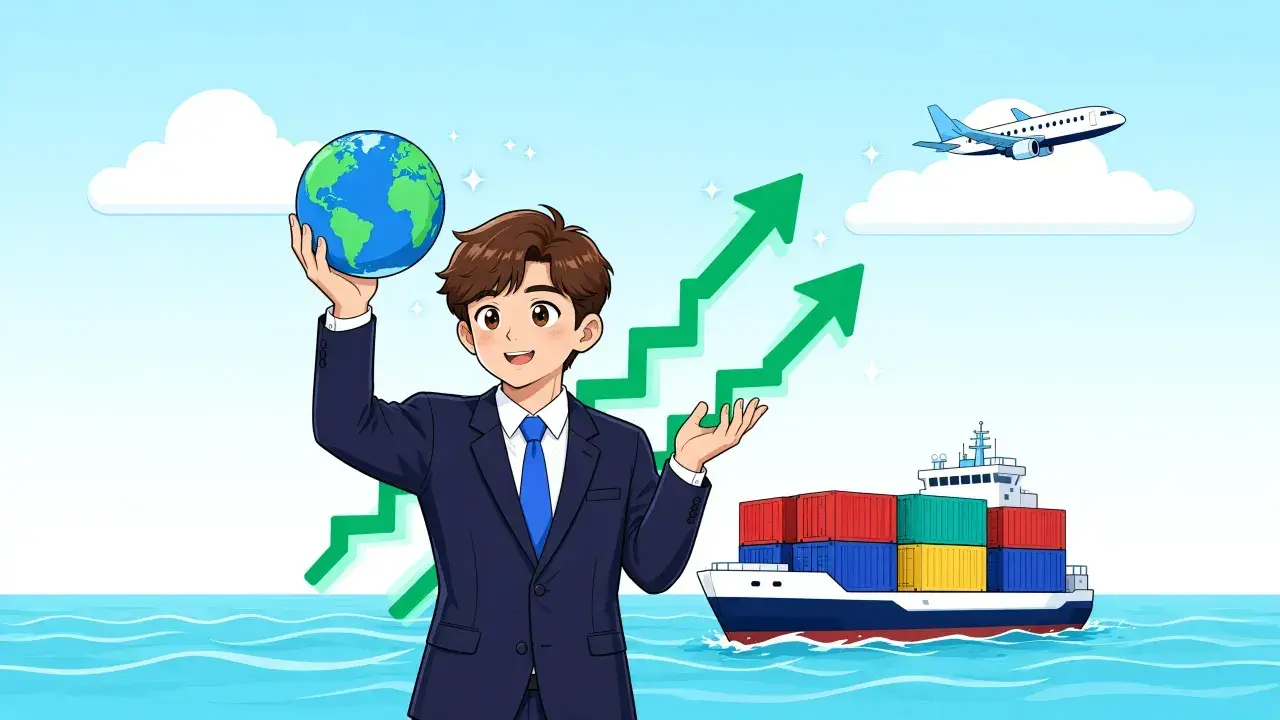
The global energy market is currently facing a catastrophic disruption as the Strait of Hormuz—a narrow waterway between Oman and Iran—has become the center of a geopolitical tug-of-war. This strategic passage is often described as the world's most important oil chokepoint because approximately 20 percent of the world's total oil supplies flow through it daily.
For South Korea, the situation is particularly dire. The nation relies on the Middle East for roughly 70 percent of its crude oil and 20 percent of its natural gas. When this waterway is obstructed, it is not merely a diplomatic dispute; it is a direct threat to the national survival of energy-importing economies.
Currently, a "double blockade" is in effect. While Iran had already restricted the strait, U.S. President Donald Trump recently announced a full blockade of Iranian ports and coastal areas. Although the U.S. Central Command clarified that non-Iranian vessels may still transit, the psychological and physical risk has sent oil prices skyrocketing past $100 per barrel, with some analysts predicting a peak of $150.
The Economic Ripple Effect: Beyond the Gas Pump
Many people assume that an oil crisis only means higher prices at the gas station. However, the reality is far more complex. Oil is the raw material for a vast array of industrial chemicals and components.
"The impact of this shock is already baked in," stated Kristalina Georgieva, Director of the International Monetary Fund (IMF). "Even if the war stops today, the weeks of missing supplies are already disturbing economies."
This disruption manifests in several critical sectors:
- Medical Equipment: A shortage of naphtha (a liquid hydrocarbon produced during oil refining) is hindering the production of essential medical plastics and devices.
- Semiconductors: The supply of helium (an inert gas used to cool superconducting magnets in chip-making equipment) has plummeted, threatening the productivity of global tech giants.
- Manufacturing: Increased energy costs are raising the overhead for every single factory, leading to higher prices for end consumers.
The Specter of Stagflation
Economists are now sounding the alarm regarding stagflation. This is a toxic economic condition where stagnant economic growth (high unemployment and low productivity) occurs simultaneously with high inflation (rising prices).
In a normal recession, prices usually drop because demand falls. In a stagflation scenario, prices rise because the cost of production (energy) increases, even while the economy is shrinking. This creates a "lose-lose" situation for policymakers, as tools used to fight inflation (like raising interest rates) often make economic growth even worse.
The Forecast for South Korea
The vulnerability of the Korean economy is evident in recent financial forecasts. The French investment bank Natixis has drastically slashed South Korea's 2026 economic growth forecast from 1.8 percent down to 1 percent. This suggests that the energy crisis is not a temporary glitch but a structural threat to the nation's growth trajectory.
Government Intervention and Its Hidden Risks
To combat the crisis, the Korean government has implemented several emergency measures. One such measure is the odd-even driving rotation system, where vehicles are only allowed on the road on specific days based on their license plate numbers to reduce fuel consumption.
However, the government's policy of capping oil prices at the pump is proving to be a double-edged sword. While this protects delivery drivers and low-income citizens from immediate price hikes, it creates a dangerous market distortion:
- Artificial Demand: Because prices are kept artificially low, consumers are buying more fuel than they normally would. Gasoline sales rose by 24.7 percent and diesel by 16.3 percent in late March.
- Fiscal Strain: The government has earmarked 4.2 trillion won to compensate refiners for the losses incurred by the price cap, putting a massive strain on the national budget.
- Market Distortion: Price caps prevent the market from naturally adjusting to the shortage, which can lead to long-term instability.
The Path Forward: Diversification and Diplomacy
To survive this "long haul," South Korea cannot rely solely on the Middle East. The government must aggressively pursue energy diversification—the process of sourcing energy from a wider variety of countries to avoid being held hostage by a single region.
Strategic Sourcing Shifts
- Expanding Partnerships: Korea has already begun purchasing oil from Kazakhstan. Future efforts should extend to South American nations and potentially Russia, depending on the geopolitical climate.
- Strategic Reserves: Increasing the capacity of national oil stockpiles to ensure the country can function for several months even during a total blockade.
- Energy Transition: Accelerating the shift toward renewable energy and nuclear power to reduce the fundamental dependency on imported hydrocarbons.
The Diplomatic Hope
Ultimately, the most favorable outcome is a return to the negotiating table. Mediators from Pakistan, Oman, and Turkey are currently urging the U.S. and Iran to resume talks. As Mohammad Bagher Ghalibaf, the speaker of Iran's parliament, noted, logic must prevail over conflict. Until then, the world remains on a knife-edge, waiting to see if diplomacy can unlock the gates of the Strait of Hormuz.