A teenager ends a long reign
At 17, India’s Kumkum Anil Mohod has become one of the defining stories of the 2026 Aichi-Nagoya Asian Games. In the women’s recurve event, she helped India defeat South Korea in the team competition and then won the individual title the following day.
The results marked a major shift in a sport where South Korea has long been a force. India’s women won their first Asian Games gold in the recurve team event, while Mohod became the first Indian woman to take the recurve individual title at the Games.
Mohod stood at the center of two firsts for Indian women’s recurve archery: a team gold and an individual gold.
South Korea’s women had won the Asian Games team title eight times in a row. The team’s performance in Aichi-Nagoya also meant South Korea finished the competition without an archery gold for the first time since the sport entered the Games program—a striking result for a country that has set the benchmark in the event for decades.
One final arrow decided the individual title
Mohod’s individual final against South Korea’s Oh Ye-jin was close throughout. The two archers were tied at 5-5 on set points, sending the contest to a shoot-off—a one-arrow tiebreak used to settle a match that remains level after the regular rounds.
Mohod scored 10 with her final arrow. Oh scored 8, giving the Indian teenager the gold.
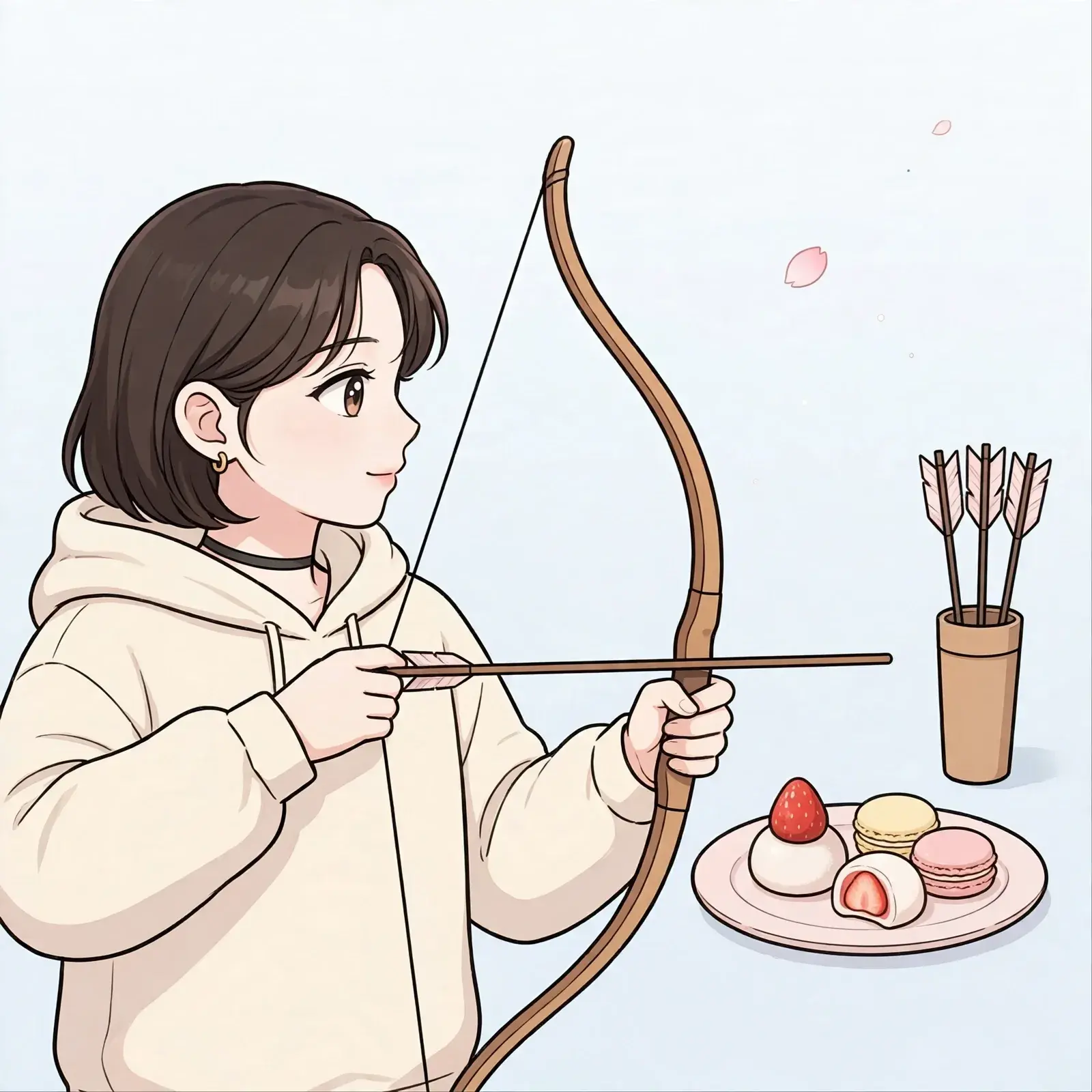
Recurve archery uses a bow whose tips curve away from the archer when it is unstrung. Athletes shoot at a target from a set distance, and in match play they earn points by winning sets. The format rewards both precision and composure: one poor arrow can quickly change the balance, while a perfect shot under pressure can decide a medal.
Mohod also earned silver in the mixed team event. Together, the three medals made for a remarkable Games debut at senior level, but the two golds carried particular historical weight for Indian women’s archery.
A first bow bought with her grandmother’s help
Mohod grew up in Amravati, in the western Indian state of Maharashtra. Her father, Anil Manohar, made boxes for a sweets business, while her mother, Rupali, encouraged her to try archery. In 2018, when Mohod first took up the sport, her maternal grandmother, Kusum, contributed 3,000 rupees—about 42,000 won at the time—toward a wooden bow.
The young archer made progress quickly. Within six months of starting, she won a silver medal at a national youth competition. Her path began in a state where local archery programs and community events can introduce children to the sport at a young age.
In some communities, archery demonstrations at village festivals give children a chance to handle a bow before they enter formal training. That early experience can help coaches spot interest and talent, especially in places where dedicated clubs and equipment may not be easy for every family to access.
From a wooden bow to the international stage
Mohod’s early success did not mean she had everything a top-level athlete needs. When she won gold in the women’s team event at a World Cup in Shanghai, she was still using a second-hand bow she had owned for five years.
The practical challenges extended beyond equipment. As other children stopped traveling to the training ground, transport costs became harder for her family to share. Her father began taking her to practice and competitions on his motorcycle, while the expense of entering events remained a strain.
Her rise was built not only on talent, but also on family support, repeated practice and a willingness to keep going when resources were limited.
Training through difficult stretches
Mohod’s coach, Prafull Dange, has described her as eager to learn and quick to grasp the technique of drawing the bow. That skill depends on more than arm strength: archers need a repeatable stance, controlled breathing and stable use of the back and shoulder muscles to release the arrow consistently.
The COVID-19 pandemic disrupted normal training. When full practice conditions were difficult to maintain, Mohod repeated drills at short range. Short-distance practice can help an archer focus on the mechanics of drawing and releasing—much like a musician practicing a difficult passage slowly before performing it at full speed.
Her progress also received support through Khelo India, a national program that backs young athletes. In her first senior season, she drew wider international attention with the Shanghai World Cup team gold. She then earned a place on India’s Asian Games squad by finishing ahead of veteran Deepika Kumari, a four-time Olympian, in the selection trials.
That selection was an important step in its own right. A place on a national team is not simply a reward for promise: it puts an athlete into high-pressure competition against experienced opponents and tests whether training can hold up when every arrow matters.
Why her father’s sweets became part of the story
After Mohod won gold at the Shanghai World Cup, her father called a sweets shop he had supplied with boxes and ordered treats to celebrate. The sweets were delivered in the kind of packaging he had helped make. It was a small, personal gesture that connected his work, the family’s sacrifices and his daughter’s achievement.
He has repeated the tradition when Mohod wins a medal or earns a place on the national team. For the Asian Games, he planned to do the same again. The celebration was modest compared with the scale of the sporting achievement, but that was precisely what made it memorable: a family honoring a historic victory in a familiar way.
The story also reflects the often-unseen support behind elite sport. Athletes may stand alone at the shooting line, but reaching that moment can depend on parents arranging transport, relatives helping with first equipment and coaches creating training opportunities with the resources available.
What comes next for India’s new champion
Mohod’s results have raised expectations, but they also give Indian archery a reason to invest in the next generation. Her career shows how early access, coaching, family encouragement and national support can combine to create an international contender—even when the first bow is wooden and later equipment is used for years.
The next challenge is sustaining that progress. At 17, Mohod has time to develop, but success at one major tournament does not guarantee future medals. Continued access to high-quality equipment, consistent coaching, travel and competition experience will matter as she faces increasingly familiar rivals and the pressure that comes with being a champion.
The 2028 Los Angeles Olympics will be a major target for archers around the world. Mohod’s Asian Games performance makes her a name to watch, while India’s breakthrough could encourage more girls to take up the sport. Her victories have already changed the record books; the longer-term test will be whether they help build a wider and lasting Indian presence at the top of recurve archery.