The Silent Architects of the Coastline
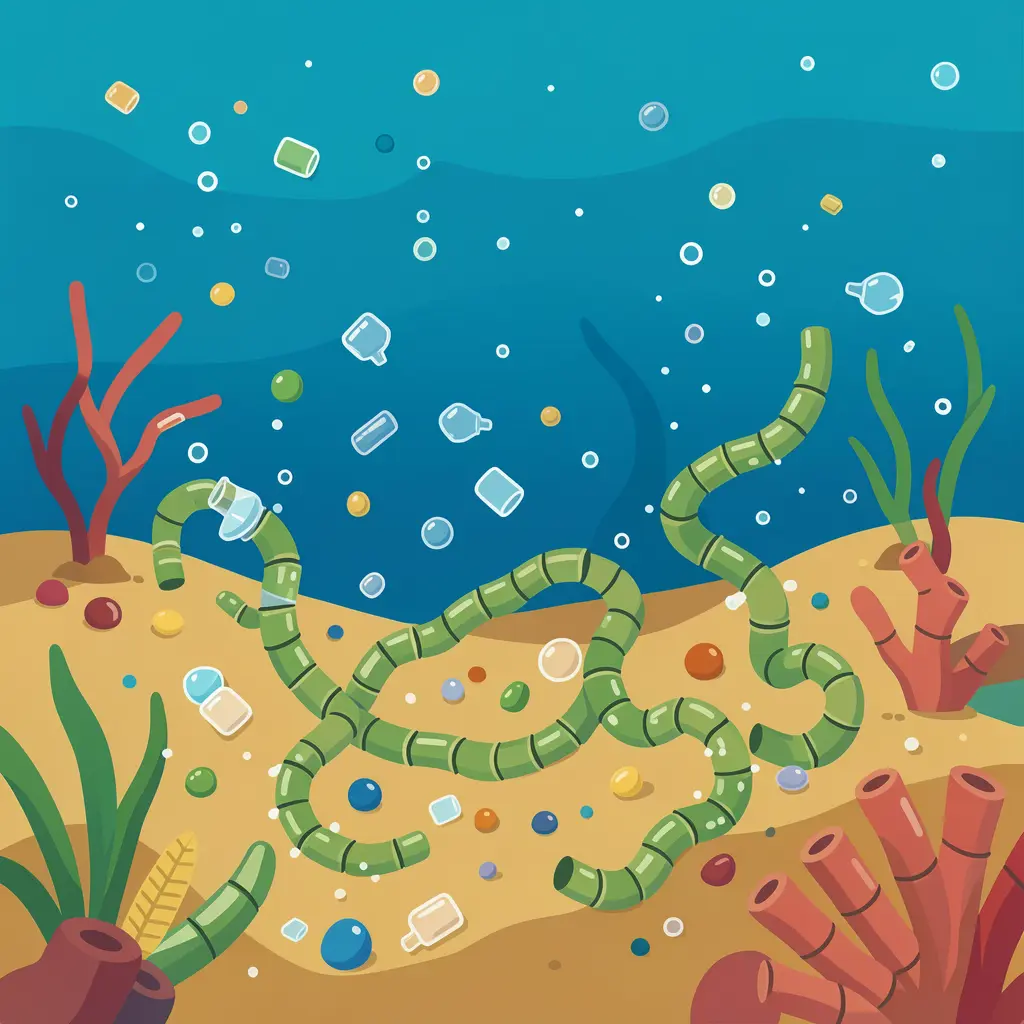
When walking across a mudflat during low tide, you might notice small, neat mounds of sediment scattered across the surface. These structures, often referred to as "chimneys," are the unmistakable signature of the bamboo worm (Macroclymenella stewartensis). These humble creatures inhabit the sandy sediments of sheltered bays and estuaries, particularly around New Zealand.
Despite their diminutive size—most are only a few centimeters long—these worms exert a disproportionate influence on the health of the marine environment. They act as the primary engineers of the seafloor, performing a role that is invisible to the naked eye but vital for the survival of countless other species.
However, recent evidence suggests a troubling trend. Microplastics—tiny, pervasive fragments of degraded plastic—are beginning to disrupt the vital functions of these worms. This interference creates a domino effect that could destabilize coastal ecosystems in ways we are only beginning to comprehend.
The Power of Bioturbation: Breathing Life into the Mud
Scientists have identified the bamboo worm's primary contribution as bioturbation (the biological reworking of soils and sediments by animals). This process is not merely a side effect of their movement; it is a fundamental mechanism for ecosystem survival.
How Bioturbation Works
- Oxygenation: By burrowing deep into the seafloor, bamboo worms create channels that allow oxygen-rich water to penetrate deep into the sediment. This prevents the seabed from becoming anoxic (completely devoid of oxygen), which would otherwise kill most aerobic organisms.
- Nutrient Cycling: The worms feed on organic matter, regulating the levels of carbon and nitrogen in the sediment. As they process this material and deposit waste, they provide essential nutrients for microscopic plants.
- Food Web Support: These nutrient-rich deposits support the growth of phytoplankton and other microorganisms, which form the base of the coastal food web, eventually feeding fish, birds, and mammals.
Crucial Insight: Without the constant "tilling" of the soil provided by these worms, the seafloor would become a stagnant graveyard of organic matter, unable to support the complex life forms we associate with healthy coasts.
The Ripple Effect: From Mud to Atmosphere
When the activity of bamboo worms is suppressed, the consequences are not limited to the mud. The disruption of bioturbation triggers a series of macro-environmental failures.
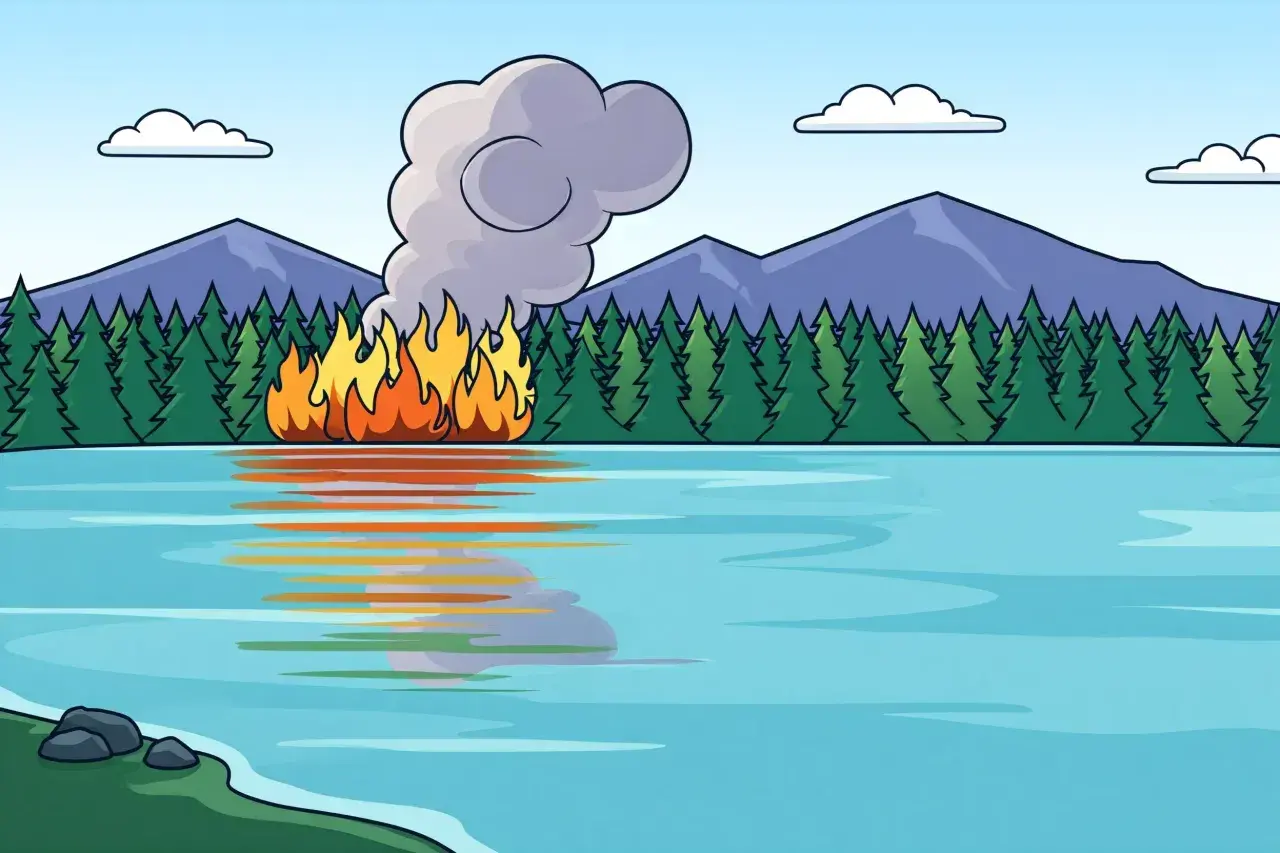
First, the buildup of unprocessed nutrients can lead to algal blooms (the rapid increase or accumulation of algae). While algae are natural, an overabundance can strip the water of oxygen, creating "dead zones" where fish and other marine life cannot survive.
Furthermore, healthy marine sediments serve as a critical carbon sink (a natural reservoir that absorbs more carbon than it releases). By locking away carbon, these sediments help mitigate the effects of global warming. However, when the biological balance is lost, these sediments can flip from being carbon sinks to sources, releasing potent greenhouse gases such as nitrous oxide and methane into the atmosphere.
The Microplastic Menace: A Global Contamination
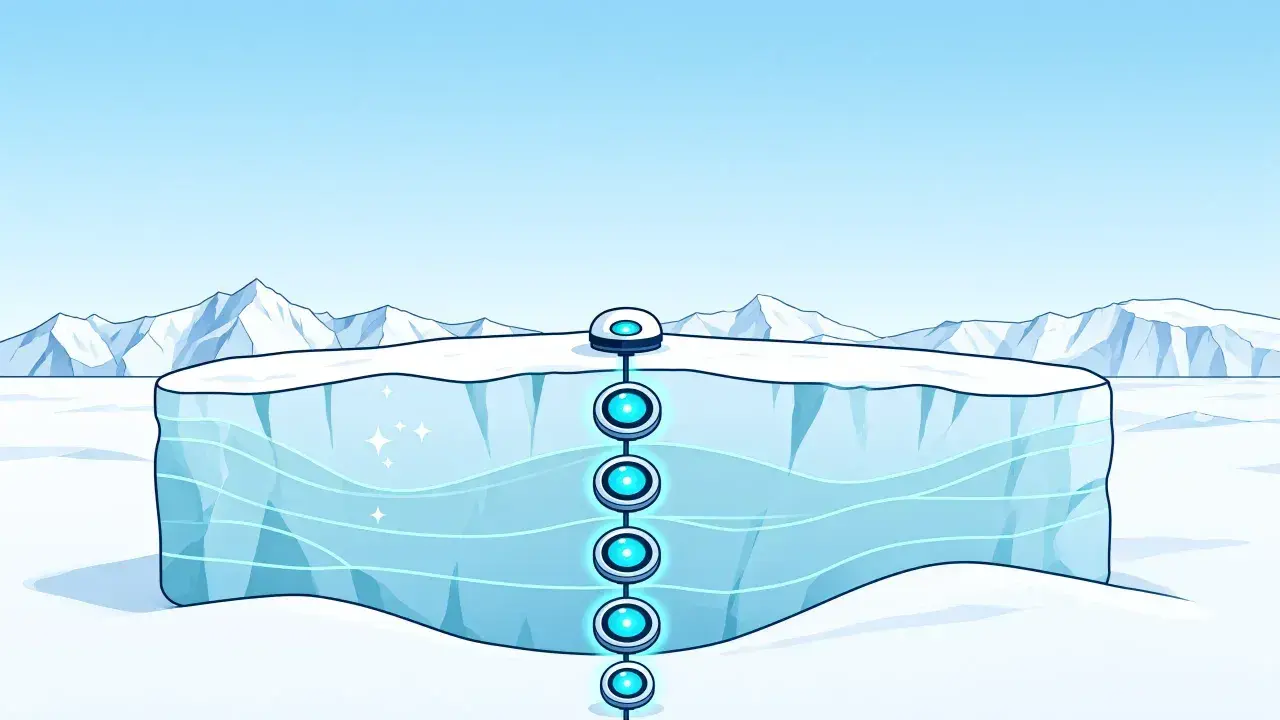
Microplastics are defined as plastic fragments smaller than 5 millimeters. They originate from a variety of sources, including the wear and tear of vehicle tires, synthetic fibers from clothing (like polyester), and the breakdown of larger plastic waste. These particles have now been detected everywhere from the tropical reefs to the frozen wastes of Antarctica.
The Mechanisms of Harm
- Physical Damage: Due to their size, microplastics are easily ingested by marine organisms. This can lead to physical blockages in the digestive tract or a false sense of fullness, leaving the animal malnourished.
- Chemical Toxicity: Plastics often carry additives or absorb pollutants from the surrounding water. These toxic chemicals can interfere with the reproduction and development of the organism.
- Bioaccumulation: As smaller creatures ingest plastic, those plastics (and their toxins) move up the food chain. A bird eating a worm is essentially consuming the accumulated plastic of hundreds of smaller organisms.
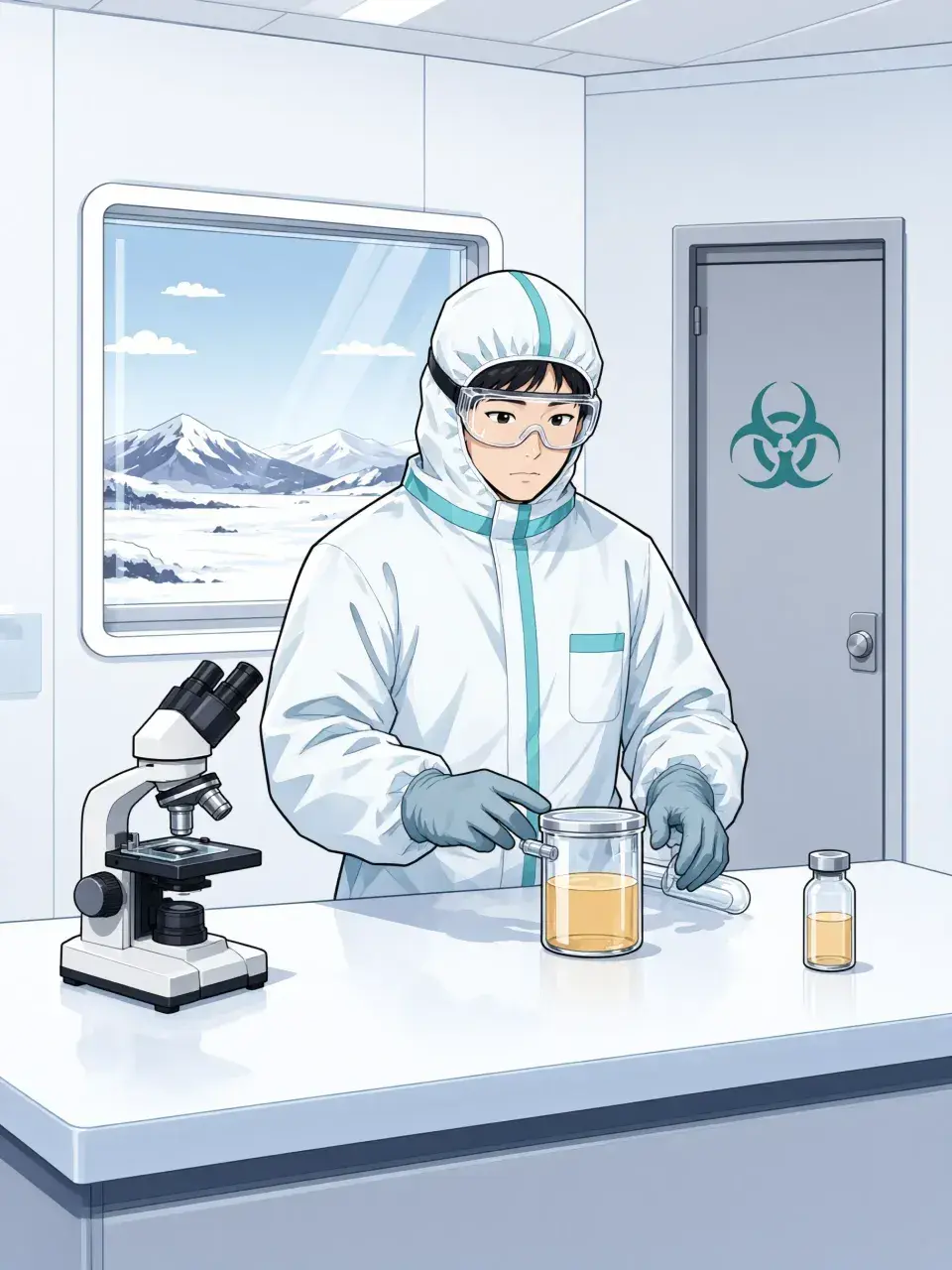
In a recent study conducted at the University of Auckland’s Leigh Marine Laboratory, researchers discovered that bamboo worms became significantly less active when exposed to microplastics. While the exact cause—whether it be chemical poisoning, physical ingestion, or a reduction in available food—remains unclear, the result is definitive: the worms stop working.
Beyond the "Charismatic Megafauna"
Public conservation efforts often focus on charismatic megafauna (large, visually appealing animals like dolphins, penguins, or whales). While these species are important, the health of the ocean depends equally on the "hidden helpers" in the mud.
Future Outlook and Solutions
Currently, many regions, including New Zealand, have no established legal limits for safe levels of microplastic pollution. To protect the invisible engineers of our coasts, a shift in policy and behavior is required:
- Reducing Consumption: Decreasing the purchase of single-use plastics to stop the pollution at its source.
- Sustainable Fashion: Choosing clothing made from natural fibers (like cotton or wool) to reduce the shedding of synthetic microfibers into the water system.
- Active Restoration: Supporting harbor cleanup groups and beach restoration projects to remove existing plastic debris.
If we continue to ignore the health of the seafloor, we risk losing the very foundation that supports the visible beauty of our oceans. The survival of the dolphin and the penguin is inextricably linked to the survival of the humble bamboo worm.