Korea Defends Its Asian Games Crown
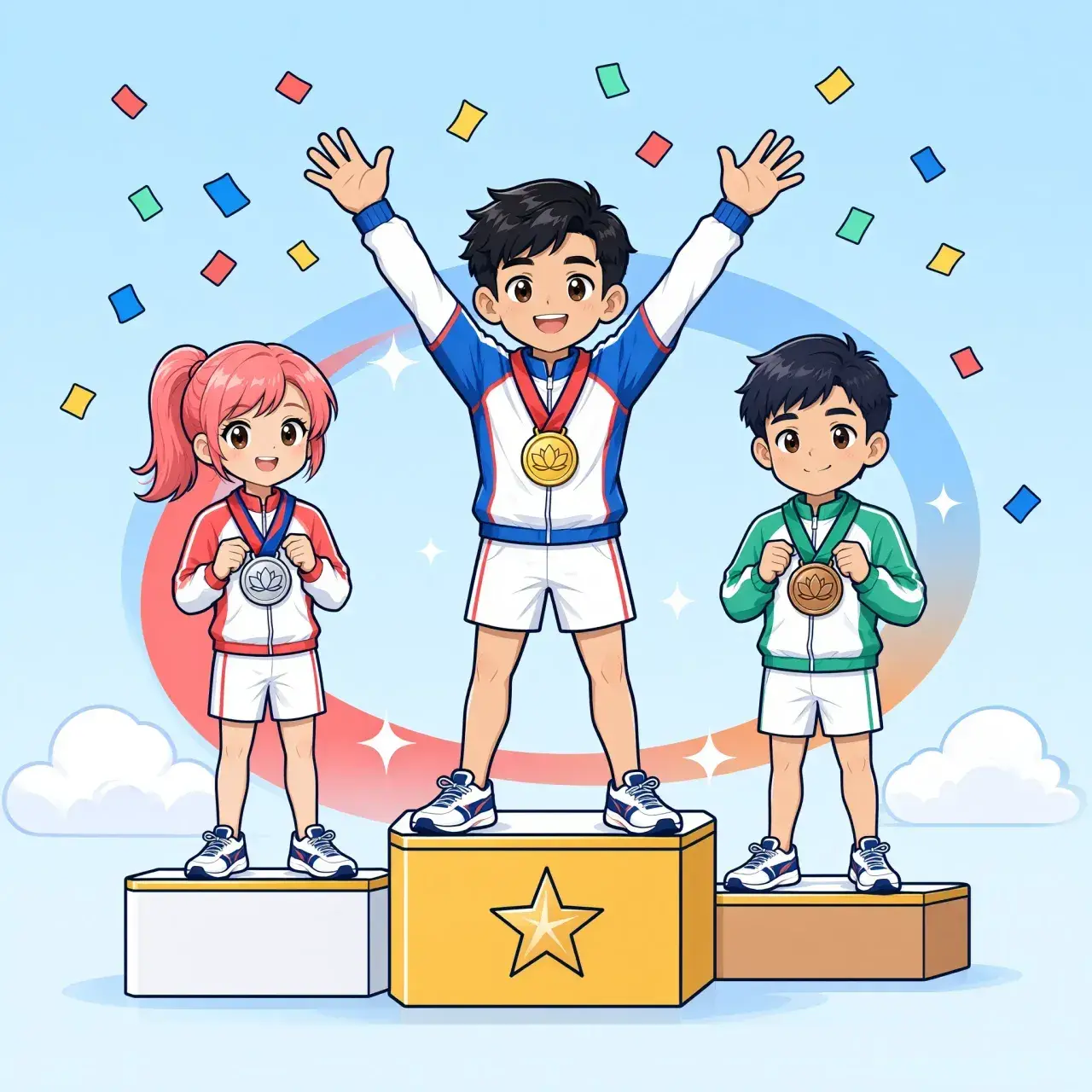
South Korea edged Japan 1–0 in the men’s football final at the 2026 Aichi-Nagoya Asian Games, securing a fourth consecutive gold medal. The victory, played on October 3 at Toyota Stadium in Aichi Prefecture, gave Korean fans a dramatic finish to the tournament and extended the team’s run of success at the Games.
Japan kept the match tight and continued to threaten, but Korea found the breakthrough in the second half. The result mattered not only because it delivered another title, but also because it showed the team could prevail in a tense final when chances were limited.
The defining moment: Um Ji-sung scored the only goal of the final in the 61st minute, turning a close contest into a gold-medal victory for South Korea.
Um Ji-sung Delivers When the Chance Arrives
Um, a 24-year-old winger with Swansea City, was selected as an over-age player—a player older than the tournament’s usual age limit who is permitted under special roster rules. He justified that role with the decisive finish, completing his task as one of Korea’s key attacking options.
The goal began with a forceful cross from Yang Min-hyeok, who drove forward down the flank. Um brought the ball under control with his chest, moved past a Japanese defender to create room, and struck quickly into the upper part of the net. The finish combined composure with quick decision-making: he had little time to settle the ball or wait for a clearer opening.
Um said Korea had spent much of the second half defending and that he was waiting for a chance to appear. He also noted that the playing surface was difficult and suggested he may have slipped as he shot, adding that luck played a part. His modest description did not diminish the value of the goal: in a final where one mistake or one moment of quality could decide the outcome, he made the opportunity count.
A Tournament-Wide Contribution
Um’s influence extended well beyond the final. He finished the competition with four goals and four assists, ranking first in both categories. An assist is the pass that directly sets up a teammate’s goal; leading both the scoring and assist lists shows how often Um was involved in creating as well as finishing Korea’s attacks.
His tournament numbers also help explain why he became such an important outlet for the team. A winger can stretch a defense by attacking along the side of the field, forcing defenders to move wide and creating more space for teammates in the middle. Um’s pace and scoring threat gave Korea another way to break through when opponents were organized and difficult to dislodge.
The final was not a one-player effort, however. Yang’s delivery created the opening, while the team’s defensive work helped preserve the narrow lead against Japan’s late pressure. In a match decided by a single goal, the contribution of the players who built the chance and protected the advantage was just as important as the finish itself.
Bae Jun-ho Helps Shift the Balance
Bae Jun-ho, who plays for Stoke City in England’s second division, stood out in the attacking midfield area behind the striker. He made runs into the space behind Japan’s defense and used his close control to escape pressure. Those movements helped Korea carry the ball forward and gradually move the flow of the closely fought game in its favor.
An attacking midfielder often links the players who win possession with those trying to score. In practical terms, that means finding a pass through a crowded area, carrying the ball past an opponent, or making a run that pulls a defender away from a teammate. Bae’s work in these roles gave Korea useful options as Japan tried to restrict space.
Striker Lee Young-jun also played a major part, winning many of the aerial challenges near the front of the attack. Winning an aerial duel means reaching and controlling a ball played through the air before an opponent can do so. That ability helped Korea keep possession farther up the field and gave the team a target when it needed to move the ball out of defense.
A Final Against a Younger Japanese Side
Japan’s main group at the tournament was made up of players around 21 years old, while Korea included players such as Um, who was 24. That difference in age and experience provided context for the matchup, but it did not make the final easy: Japan remained competitive and kept pressing until the end.
Um said Korea struggled at times in the first half as the team adjusted to Japan’s pace and the condition of the pitch. He stressed that, in a final, producing the result could matter more than playing attractively. His comments reflected the practical demands of knockout football, where a team may have to defend for long stretches and still be ready to take advantage of one clear opening.
For supporters, that kind of win can be especially tense. A team may look less comfortable for parts of the game, yet remain within reach of victory if it stays organized, limits the opponent’s chances, and uses its best opportunity well. Korea did exactly that with Um’s goal and its work to protect the lead.
Gold Medal and a Chance to Keep Growing
The gold medal also brings an important career benefit for eligible Korean players: military-service exemption, a benefit that allows them to continue their professional careers without an interruption for compulsory service. For players pursuing careers in Europe, the exemption can make long-term planning easier, including staying with a club and building experience through training and regular competition.
That does not guarantee future success. Young players still need to earn playing time, adapt to different coaching styles, and continue improving. But uninterrupted time in a professional environment can be valuable: it allows a player to focus on developing the skills and consistency needed to progress to higher levels.
The achievement may therefore have effects beyond the medal ceremony. Um, Bae and Yang are among the players who could continue developing abroad, while their performances have also strengthened the case for giving emerging talent opportunities with Korea’s senior national team.
Lee Min-sung’s Hope for Korean Football
After the final, head coach Lee Min-sung said he hoped the players’ success would become a starting point for rebuilding Korean football. He was careful not to claim that one tournament alone could solve broader problems, instead pointing to the responsibilities of both coaches and players.
“Coaches need to work harder, and players need to show fighting spirit on the field,” Lee said. He added that he hoped many of the current squad would move up to the senior national team and help Korean football rise again.
The message puts the gold medal in a wider context. A successful youth-level tournament can give promising players experience under pressure, create competition for places in the senior team, and offer fans reasons to believe in the next generation. Whether those gains last will depend on what happens after the celebration: continued development, strong performances at club level, and opportunities to contribute for the national side.
For now, Korea can take pride in a fourth straight Asian Games title, a decisive finish from Um, and a series of strong performances from players including Bae, Yang and Lee. The final delivered immediate joy; the longer-term test will be whether this group can carry its momentum into the next stage of Korean football.