A Century of Decline: From Discovery to Danger
In 1902, the British explorer Robert Falcon Scott encountered a massive colony of black and white birds on Ross Island, Antarctica. This discovery marked a historic milestone for the Discovery expedition, introducing the world to the breeding grounds of the emperor penguin. At the time, these majestic birds seemed an eternal part of the frozen landscape.
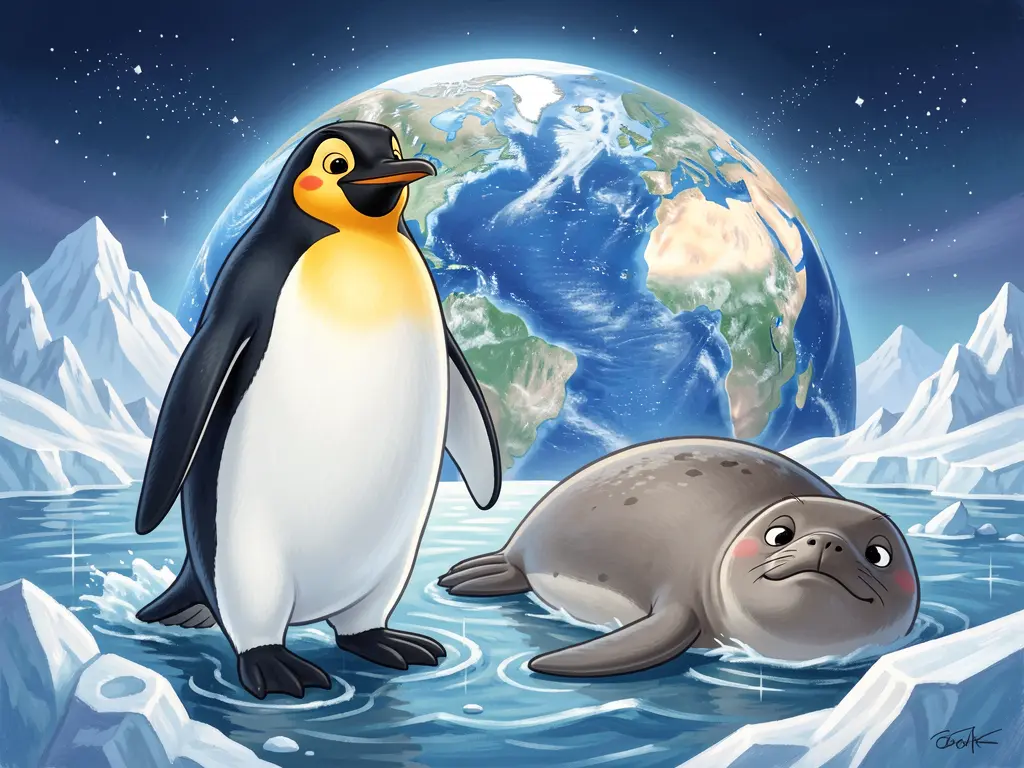
Fast forward 124 years, and the narrative has shifted from wonder to alarm. The emperor penguin, along with the Antarctic fur seal, has been officially classified as Endangered. This status is a grim indicator that these species are at a very high risk of extinction in the wild if current trends continue.
The transition from the initial discovery of these colonies to their classification as endangered highlights the terrifying speed at which the Antarctic ecosystem is collapsing.
The Rapid Collapse of Population Numbers
The decline of these species is not a slow drift but a sharp drop. Between 2009 and 2018, the emperor penguin population decreased by 10%. Projections suggest a far more dire future, with their numbers expected to halve by the year 2073.
For the Antarctic fur seal, the situation is even more volatile. After being hunted nearly to extinction in the 1880s, the population had successfully rebounded to approximately 2.1 million mature individuals by 1999. However, since that peak, the population has plummeted by more than 50%, leaving only about 944,000 mature seals.
Understanding the IUCN Red List
To understand the gravity of this situation, one must understand the IUCN Red List (the International Union for Conservation of Nature's global inventory of the threat status of biological species). The fur seal's movement on this list is particularly shocking:
- Least Concern: Species that are widespread and at low risk of extinction.
- Endangered: Species facing a very high risk of extinction in the wild.
Moving from 'Least Concern' to 'Endangered' in just a few decades is an unprecedented acceleration of risk for a marine mammal.
The Double Threat: Climate Change and Disease
The primary driver of this decline is the warming of the planet, which creates a domino effect (a chain reaction where one event triggers a series of similar events) across the food web.
The Krill Crisis
Both penguins and seals rely heavily on Antarctic krill (small, shrimp-like crustaceans that serve as the foundation of the Antarctic food chain). As ocean temperatures rise and sea ice shrinks, krill are shifting further south and moving deeper into the ocean. This makes them harder for predators to reach, effectively starving the animals that depend on them.
The Loss of Breeding Platforms
Emperor penguins are uniquely vulnerable because they are completely dependent on sea ice. They use the ice as a stable platform for:
- Courtship: Finding and attracting mates.
- Incubation: Keeping eggs warm in the harshest conditions on Earth.
- Rearing: Protecting chicks until they are old enough to swim.
If the sea ice breaks up prematurely due to warming, chicks that have not yet developed their waterproof feathers are cast into the ocean, where they cannot survive.
The Arrival of Avian Influenza
Adding to the environmental stress is the spread of avian influenza (commonly known as bird flu), a highly contagious viral infection. This disease has introduced an immediate and lethal threat to the Southern Ocean.
In some southern elephant seal populations, the impact has been catastrophic, with more than 90% of pups dying alongside a sharp decline in breeding adults.
The Knowledge Gap and the Path Forward
Despite the fame of the emperor penguin, much of the Antarctic remains a mystery. Because of the extreme remoteness of the region, sustaining long-term research is incredibly difficult. Many species, such as the Weddell seal and leopard seal, are currently listed as having "unknown" population trends because there is simply not enough data to determine if they are declining.
Urgent Requirements for Survival
To prevent the total loss of these species, experts argue that we must move beyond passive observation to active intervention:
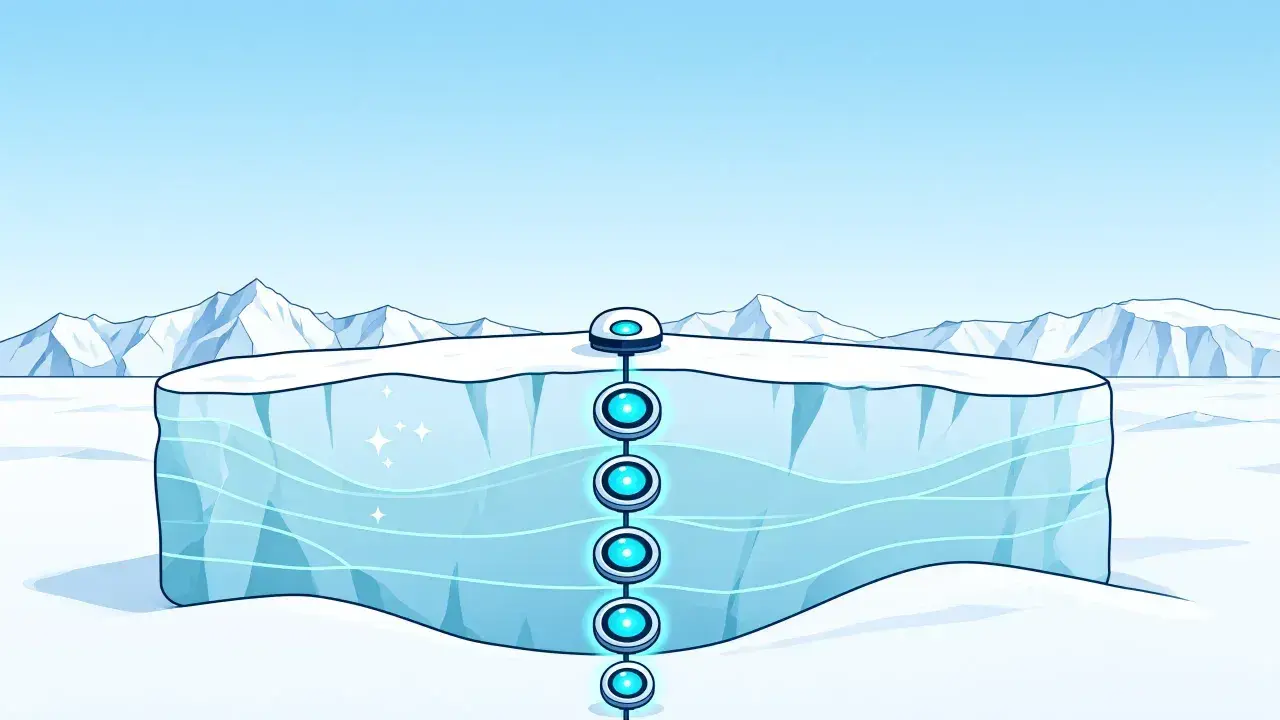
- Real-time Monitoring: Implementing advanced technology to track wildlife health and sea ice quality in real-time.
- Habitat Protection: Establishing more robust protected areas to shield breeding colonies from human interference.
- Reducing Industrial Impact: Limiting the interaction between marine wildlife and industrial fishing fleets to reduce accidental deaths and competition for food.
- Emission Reduction: The most critical step is a rapid global reduction in greenhouse gas emissions (gases like CO2 that trap heat in the atmosphere), as the survival of these species is tied directly to the temperature of the planet.
Without a concerted global effort to stabilize the climate, the icons of the Antarctic may soon exist only in history books and old photographs.