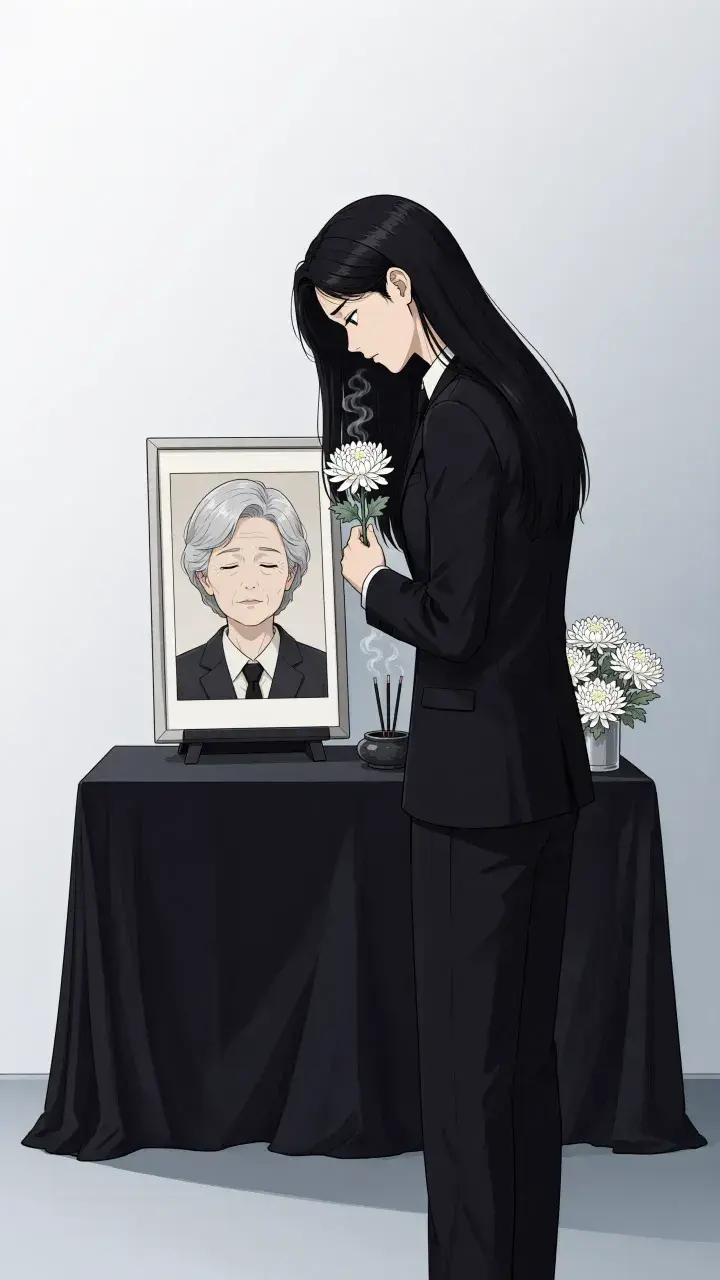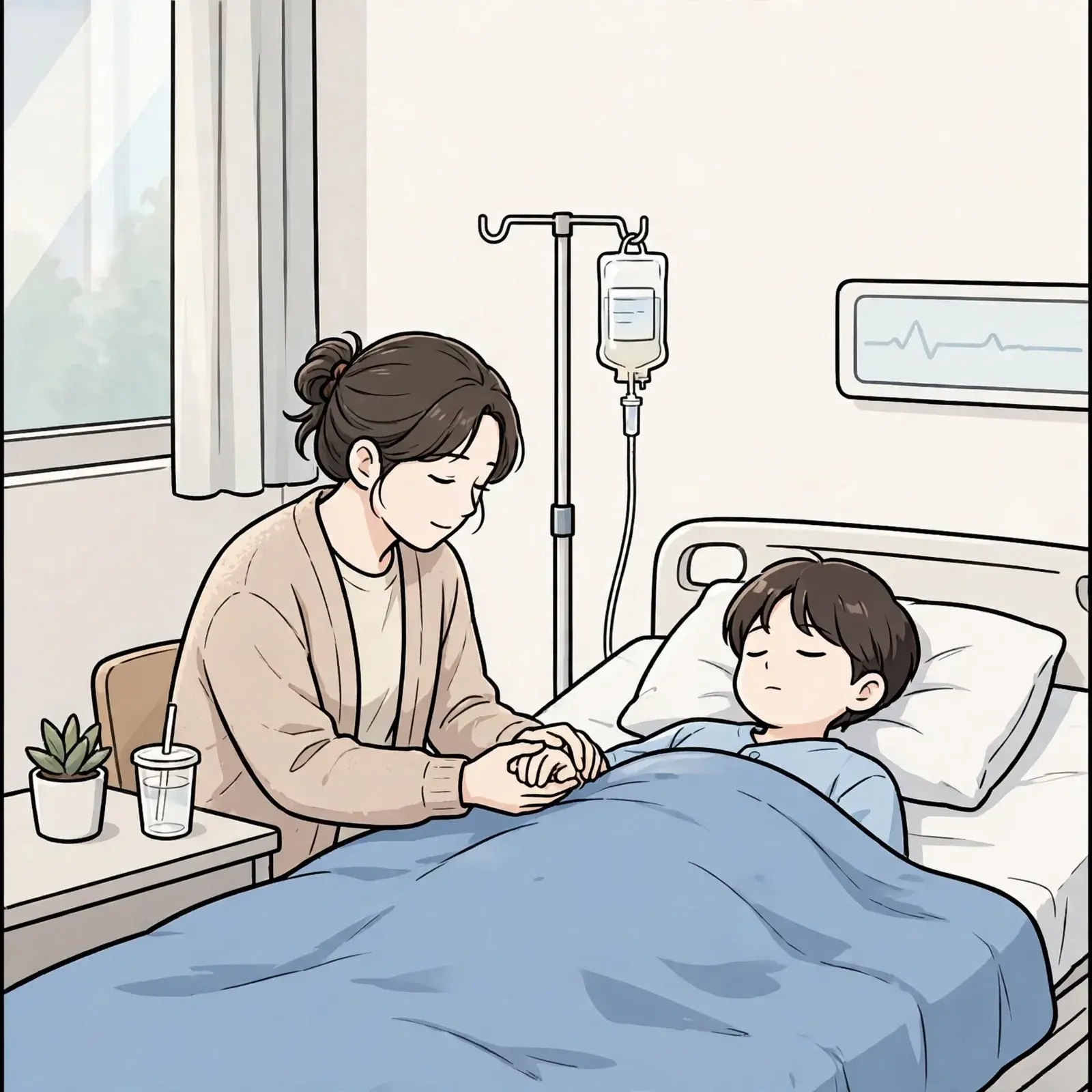
A declaration that can sound like an ending
“There is no care plan left.” In a hospital, a doctor may use words like these after surgery, chemotherapy or other treatments intended to control a tumor or its complications are no longer considered available or effective. For patients and families, the statement can feel as if the medical team has run out of ways to help.
Medical anthropologist Kang Ji-yeon’s new book, There Is No Longer a Care Plan, asks readers to hear something else in that moment. The end of disease-directed treatment does not have to mean the end of care. Instead, it can mark a shift toward a different plan: easing pain, supporting the patient and family, and making room for conversations about what matters most.
When treatment aimed at controlling the disease reaches its limits, care can change its purpose rather than disappear.
How a family experience led to a hospital study
Kang began studying end-of-life care after her father had a stroke in 2016. Her family faced conflict over whether to remove his ventilator, while the doctors’ cautious approach left her thinking about how medical decisions are made when a patient cannot speak for himself.
That experience led Kang to investigate how the end of life takes shape in Korean hospitals—not only through a diagnosis, but through everyday decisions made by patients, relatives and medical staff. She spent two years conducting participant observation (research in which a researcher spends time alongside the people being studied) in the terminal cancer ward of a large tertiary hospital, a major center that provides highly specialized medical treatment.
The hospital is identified in the book as “Z Hospital.” Kang followed the work of its palliative-care team and observed the daily lives of patients and families. Her focus was not only on medical decisions, but also on small interactions: a cup of tea, an unhurried conversation, or a relative trying to find the right words.
The transition into end-of-life care
The book describes a cancer ward not simply as a place where people arrive after they have become “terminal,” but as a setting where patients can gradually be understood—and come to understand themselves—as nearing the end of life. The word “terminal” may be difficult to say aloud. In practice, the transition can become visible when doctors conclude that available operations, chemotherapy or procedures are no longer likely to resolve the cancer or its complications.
That moment can be confusing because the change is not always a single, clear event. Families may still hope for another treatment, while clinicians weigh the likely benefits and burdens of continuing. The book shows how the language used in these discussions can influence whether the next phase is understood as abandonment or as a change in the kind of help being offered.
What palliative care can include
Palliative care (care focused on comfort and quality of life, rather than primarily on curing disease or extending life) can address many needs at once. It may be offered alongside medical treatment, and it can become especially important when the main goal shifts from controlling illness to reducing suffering and supporting the person.
- Physical comfort: managing pain and other distressing symptoms as effectively as possible.
- Emotional and social support: helping patients and relatives face fear, uncertainty, grief and family pressures.
- Hospice connections: discussing specialist end-of-life services and whether they fit the patient’s needs and preferences.
- Practical preparation: making space to discuss the place and circumstances of care, as well as concerns around dying and funeral arrangements.
- Support after death: helping relatives cope with bereavement and connect with others who understand their experience.
These forms of care do not promise that illness can be reversed. Their purpose is to respond to the person’s needs when a cure may no longer be possible—and to help families avoid facing every difficult question alone.
Care also means rebuilding relationships
Kang’s account gives particular attention to the relationships that grow around the patient. Members of the palliative-care team may visit a room, offer tea and begin with ordinary conversation. These small gestures can help the team learn what a patient and family are worried about before staff discuss how to coordinate care.
The book also describes art therapy and meaning-centered therapy (guided conversations that help people reflect on what has given their lives meaning). Through drawing or telling the story of their lives, patients may find a way to express thoughts that are otherwise hard to say. They may tell relatives they are sorry, or say thank you; relatives, in turn, may have a chance to respond.
Such conversations do not erase conflict or guarantee reconciliation. But they can create an opening for people to acknowledge one another and decide what they want to carry into the time ahead. In practical terms, this might mean a patient telling a child what they are proud of, or a family member finally asking a question they have been afraid to raise.
From a “good death” to care that creates connection
The book challenges the idea that a “good death” is a result that can be achieved through a single medical decision. In the account of the palliative-care team, a better end-of-life experience involves relief from pain, a calm and comfortable setting, and the support of meaningful relationships—without deliberately hastening or artificially prolonging life.
Kang describes this approach as relationship-generating care: care that creates, repairs or extends connections among patients, relatives and caregivers. The emphasis is not only on what happens at the moment of death, but also on how people treat one another during the remaining time.
The support may continue after a patient dies. The team organizes gatherings for bereaved relatives, giving them a place to share grief and build connections with others. Some family members who experienced care in the ward later return as volunteers, turning the support they received into support for someone else.
The limits built into the hospital system
Kang’s observations also point to a structural challenge. The hospital she studied did not have a dedicated hospice ward, and the palliative-care team’s office and end-of-life room were limited in scale. The book presents these details as signs that end-of-life support can remain on the margins of a system organized around acute care—treatment for urgent or severe conditions—and complex procedures.
That setting raises questions about what hospitals are designed to prioritize. When a medical center’s routines and resources are centered on treating disease and moving patients through intensive treatment, the time and space needed for conversations, comfort and family support can be harder to secure. The account does not suggest that individual clinicians do not care; rather, it asks whether the institution gives this work enough room to happen.
- A patient may need time to discuss fears and preferences, even when no further cancer treatment is planned.
- Relatives may need clear explanations and support as they make difficult choices.
- Staff need appropriate space and time to coordinate physical, emotional and social care.
These needs are not extras added after “real” medicine is finished. They are part of caring for a person whose illness has changed what medical treatment can achieve.
What the book asks patients, families and health systems to consider
Kang’s research suggests that “the end of life” is not simply a fixed point defined by age or a diagnosis. It is also a period shaped by daily decisions, relationships and the health-care system. A discussion about whether another treatment is worthwhile, for example, can affect when hospice support is considered and what kind of help a family receives.
The book therefore invites readers to consider what they would want care to protect if curing an illness were no longer possible. That question might involve pain control, privacy, time with family, the ability to speak openly, or help with practical decisions. It is not a substitute for individual medical advice, but it can help people prepare for conversations with clinicians and loved ones.
For hospitals and policymakers, the account raises a related question: how can palliative services be made a real part of care rather than a last-minute referral? The book’s observations point toward the value of dedicated staff, suitable spaces and time for teams to coordinate support. It also highlights the importance of bereavement care, which recognizes that a family’s needs do not end when the patient dies.
A different plan for the time that remains
The phrase “there is no care plan left” can sound like a door closing. Kang’s book instead asks readers to see the possibility of another door opening—one that leads to symptom relief, hospice conversations, life stories and practical support for both patients and relatives.
The question is not only whether medicine can do more to the disease, but also what care can do for the person and the people around them.
In that sense, the declaration may mark not the absence of a plan, but a change in what the plan is for. The remaining time can still contain medical attention, honest conversation and acts as simple as washing someone’s hair or holding their hand. For Kang, these acts are not peripheral to end-of-life care; they are part of how care makes connection possible when cure is no longer the goal.