A small pronoun with a big cultural footprint
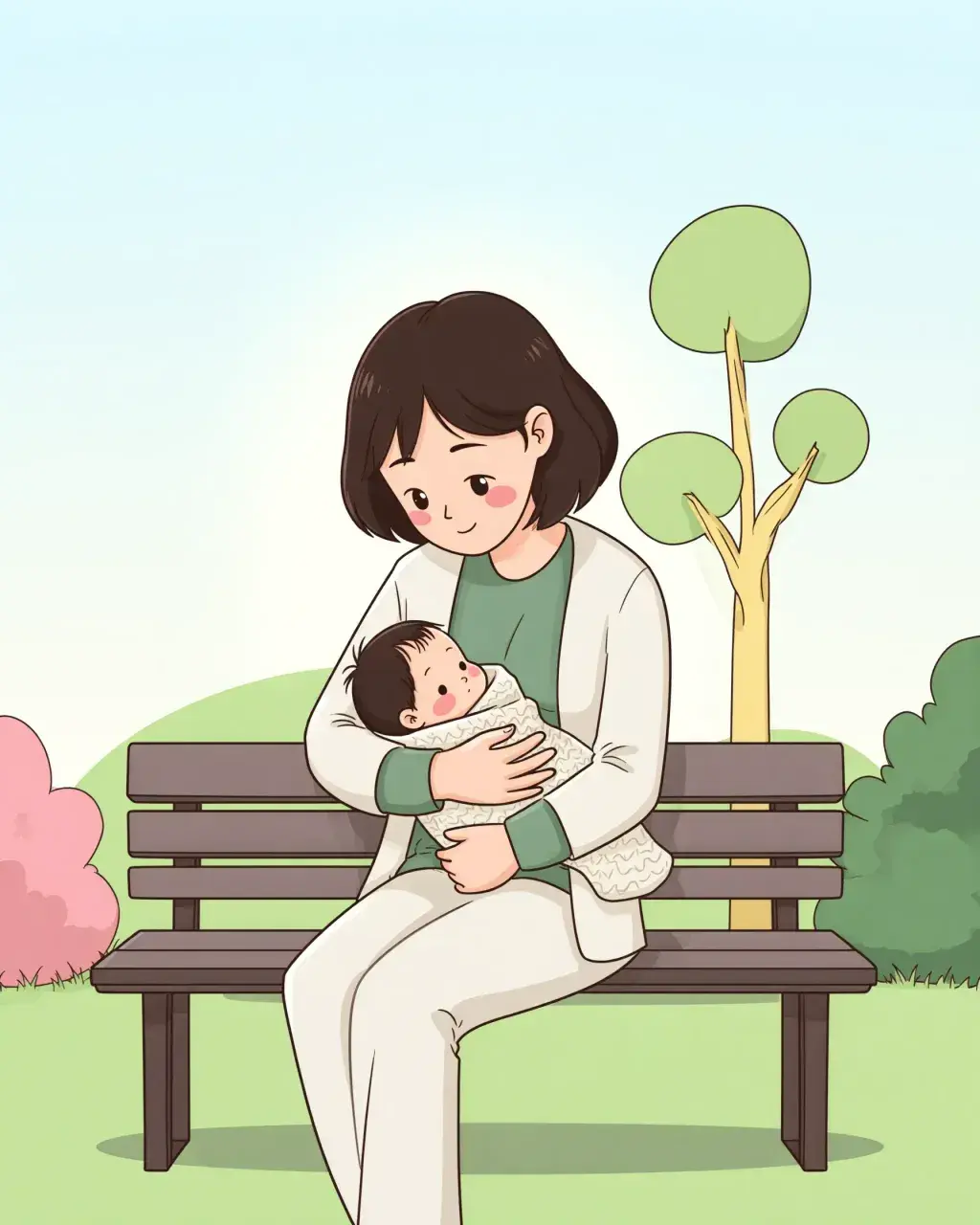
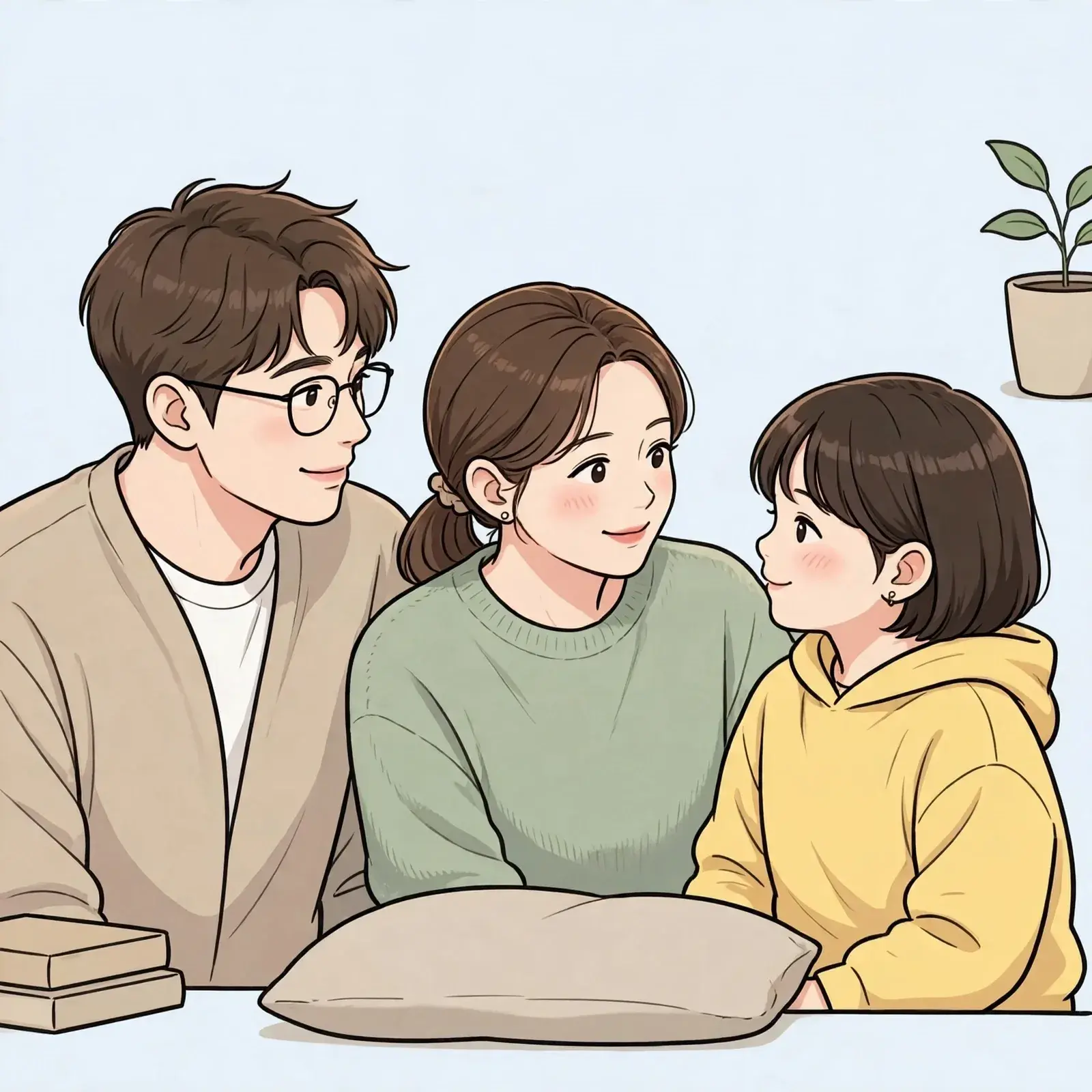
A Korean speaker might tell a friend, “Our mom made dinner,” even if the speaker is an only child and is talking about their own mother. Someone who lives alone may also say “our home.” To many English speakers, these expressions can sound as though several people share the mother or household. In everyday Korean, however, they are familiar ways of referring to something closely connected to the speaker.
That habit raises a natural question: if Koreans say “our mom,” why is “our country” preferred over “our country” in a deferential form? The answer lies in the difference between uri (the Korean word commonly translated as “we” or “our”) and jeohui (a humble form of “we” or “our” that lowers the speaker’s group in relation to the listener).
In Korean, “our” can signal a relationship or a shared sense of belonging, not simply ownership by several people.
“Our” does not always mean several owners
Korean speakers frequently use uri for relatives, spouses, neighborhoods, schools and homes. “Our husband” or “our wife” may refer to one person’s spouse, while “our mom” can mean the speaker’s mother. The word points to a person or place within the speaker’s circle of connection, rather than providing a literal head count of everyone who possesses it.
One way to understand “our mom” is as shorthand for “the person who is my mother within our family.” The phrase foregrounds the family relationship and the speaker’s place in it. The same logic can apply to “our family” or “our home,” even when the speaker is the only person currently living there.
This is different from expressions such as “our school” or “our neighborhood,” where the group is often more visibly shared: many people attend the school or live in the neighborhood. Korean uses the same pronoun across these situations, though the kind of connection it expresses can vary.
Why English speakers hear it differently
English usually takes the individual speaker as its reference point when talking to someone outside the family. A person would normally say “my mom,” “my son” or “my home.” “Our son” is more likely when speaking as one parent to someone outside the family, or when a group is genuinely being discussed.
Korean, by contrast, often describes family members and familiar places through the speaker’s relationship to a wider household or social unit. This does not mean English is more logical or Korean less precise. Languages organize meaning in different ways, and ordinary usage is shaped by history and shared habits—not by a universal rule that one language must be more rational than another.
For a practical comparison, imagine someone inviting a friend over. In English, they might say, “Come to my place.” In Korean, “Come to our home” can sound natural whether the speaker lives with relatives or alone. The expression emphasizes the speaker’s familiar home as part of their world, not necessarily a property shared with multiple people.
Similar patterns in other languages
Korean is not alone in using a plural possessive form in this way. Mongolian manai (often translated as “our”) can be used with words for “mother” or “home.” Turkish bizim (“our”) appears in expressions that can correspond to English “my place,” as in an invitation to come over.
Japanese offers another related example. Speakers may use uchi (literally associated with “inside,” “home” or “our household”) in phrases such as uchi no okāsan, meaning “our mom.” The shared idea is a distinction between one’s close household or in-group and the world outside it. These parallels do not make the languages identical, but they show that English’s “my” is not the only natural way to frame a family relationship.
“Uri” and “jeohui” are not interchangeable
The distinction becomes especially important in formal situations. Uri does not inherently place the listener outside the group. Jeohui, on the other hand, is a humble expression: it lowers the speaker or the speaker’s group in relation to the person being addressed. That can make jeohui appropriate in some contexts, but it can also change who appears to belong to the group.
For instance, an employee speaking to the company’s own president would ordinarily be referring to a company both belong to. Calling it “our company” keeps the president inside that shared group. If the employee instead calls it “our company” using the humble, potentially exclusive form, the wording may sound as if the president is not part of it. Colleagues speaking among themselves are also generally talking about a shared company, even when they use polite speech.
The same principle explains why “our country” is the conventional expression when a Korean speaker addresses fellow citizens. The speaker and audience are treated as members of the same national community. Using the humble form can suggest that the country belongs to the speaker’s group but not the listener’s—or that the speaker is lowering a shared national identity in a way the situation does not call for.
Politeness does not always mean choosing the most self-effacing word. The right expression also depends on whether the listener belongs to the group being discussed.
How broadcasting may blur the boundary
Confusion can arise when speakers use uri and jeohui interchangeably. In a talk show, for example, guests may say “we” while talking to one another, even though the audience could also interpret the word as addressing viewers. Depending on the context, the humble form may then seem like a polite way to include the audience—or a way of excluding people who are actually part of the group under discussion.
Korean honorific speech (language choices that show respect or social position) can be difficult because politeness is expressed through several parts of a sentence, not just one word. Speakers may overuse humble forms because they want to avoid sounding arrogant or disrespectful. When this happens repeatedly in public conversation, audiences may begin to treat expressions that once had clearer distinctions as interchangeable.
Guidance on etiquette can also be easy to misread if it is summarized too broadly. Advice to use a humble form when speaking about one’s own business, school or workplace to outsiders does not automatically mean that it is required whenever the listener is older or holds a higher position. Whether the listener is part of the group matters too. A school principal, company president or parent may be a respected person and still belong to the “we” being discussed.
What everyday usage says about belonging
Language changes as people use it, and not every change signals that speakers have forgotten a rule. The growing use of deferential expressions may reflect uncertainty about how to show respect, discomfort with social hierarchy, or a desire to avoid appearing presumptuous. These are possible social influences, not a single proven explanation for every speaker’s choice.
The contrast between family and country is revealing. Koreans may use uri for intimate relationships and for the broadest shared community, while reaching for jeohui in workplaces or public settings where the boundaries of a group feel less certain. A person may feel that their family and national community are clearly shared, yet be unsure whether a colleague, customer or audience should be included in “we.”
The useful lesson is not to ban one form or insist that language never changes. It is to notice what each word implies: who is included, who is being addressed and whose status is being lowered. In many everyday situations, choosing uri is not a claim that several people own the speaker’s mother or home. It is a way of describing a relationship—and, sometimes, of recognizing a community the speaker and listener share.