
A Market Stop After a National Ceremony
President Lee Jae Myung and First Lady Kim Hye-kyung visited Yeongcheon Market in Seoul’s Seodaemun district on October 2, following their attendance at a ceremony marking the 30th Senior Citizens’ Day. The couple walked through the market, greeting shopkeepers and members of the public along the way.
The visit brought the president and first lady into a busy neighborhood shopping area, where everyday interactions with vendors and customers took place in a less formal setting than an official ceremony.
The couple visited market stalls, spoke with people they met and later ate lunch at a restaurant inside the market.
What They Bought and How They Met Shoppers
During their walk, Lee and Kim bought several items from local vendors, including plums, fried chicken and dumplings. They also responded to people who approached them for handshakes and photographs.
The reported details offer a glimpse of the visit’s ordinary, public-facing moments: browsing stalls, making purchases and pausing to greet shoppers. The account did not provide specific details about what the president or first lady discussed with individual residents.
- Market purchases: Plums, fried chicken and dumplings
- Public interactions: Greetings, handshakes and photo requests
- Location: Yeongcheon Market in Seodaemun district, Seoul
Lunch at a Traditional Korean Restaurant
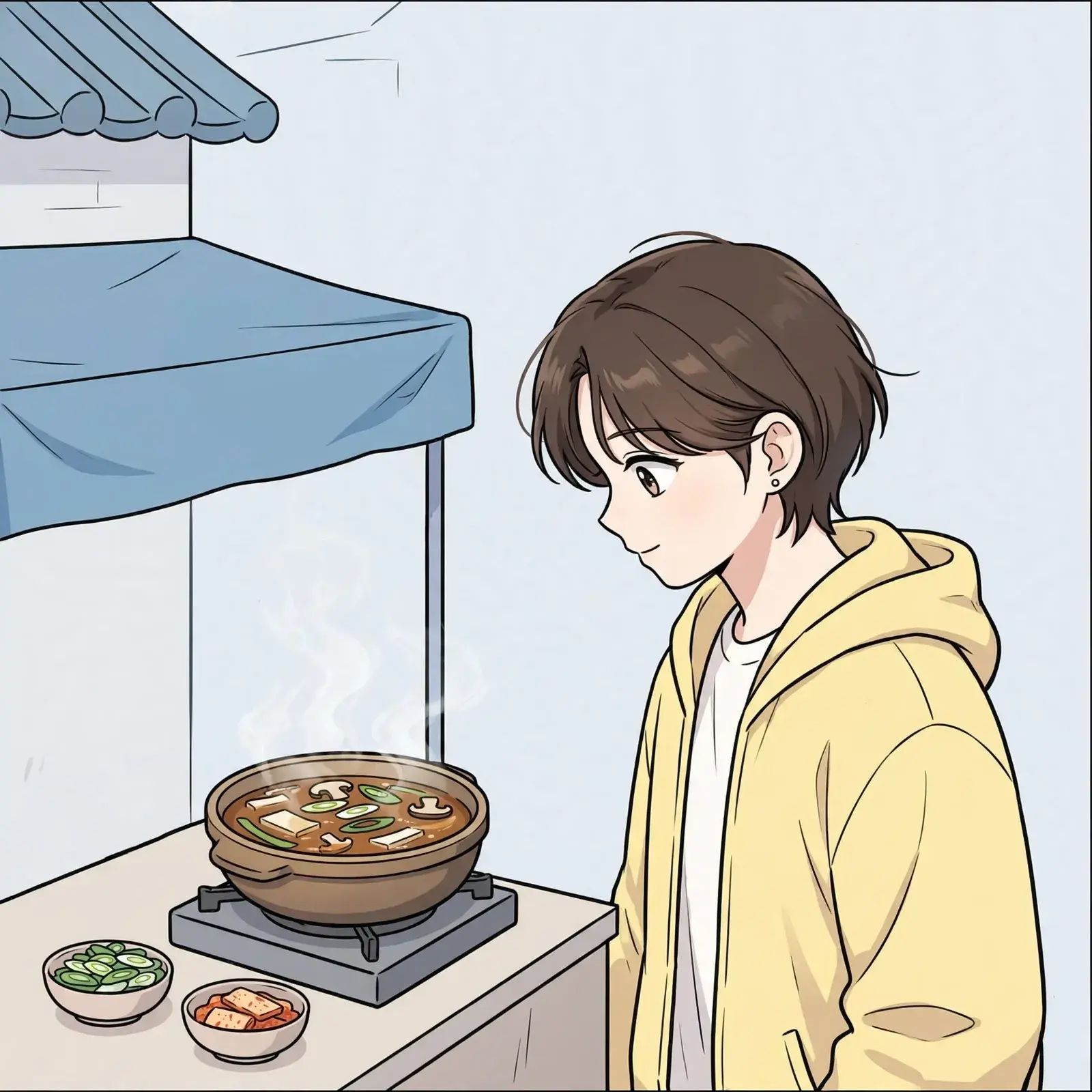
The couple then had lunch with aides at a restaurant inside the market, where they ate dogani-tang (a Korean soup made with beef knee cartilage). The dish is generally served as a hot broth and is a familiar item at Korean soup restaurants; its name refers to the cartilage-rich cuts used in the soup.
Eating at a business within the market meant the visit continued inside the neighborhood rather than ending after a brief walk through its outdoor stalls. The account did not say what other dishes were served or how long the lunch lasted.
What “Dogani-tang” Means
Dogani-tang is one example of the hearty soups found in Korean dining. A simple comparison is a local restaurant serving a regional specialty: the meal can introduce visitors to food that is part of the area’s everyday dining culture, as well as provide a chance to support a nearby business through a direct purchase.
Why Traditional Markets Matter to Local Communities
Traditional markets bring together small retailers and food vendors in one walkable area. Shoppers may visit several stalls in a single trip, buying fresh produce, prepared meals or household goods from independent businesses rather than from one large store.
For merchants, visits from public figures can draw attention to a market, but a single visit does not by itself reveal whether businesses are facing broader economic pressures or whether sales will change. The market setting also makes it possible for elected leaders to encounter residents and shopkeepers during routine activities, although no specific policy discussion was reported during this visit.
- Markets often serve as convenient places to buy food and daily necessities.
- Small purchases can support individual vendors directly.
- Public visits can create opportunities for informal contact, but do not replace sustained engagement on local concerns.
The Visit’s Closing Moments
After lunch, Lee and Kim left the market as they were seen off by members of the public, including the market association’s chair and vice chair. The visit followed the Senior Citizens’ Day ceremony and included both a walk through the market and a meal with members of the president’s staff.
The reported schedule did not include details of any new government announcement, policy commitment or formal meeting with the market association. It was a public visit centered on greetings, shopping and lunch.
The clearest reported details were the couple’s purchases, their responses to requests from residents and their meal at a restaurant inside the market.
What to Watch For
The visit may be viewed as one example of a president engaging with people in a neighborhood setting. Whether such appearances lead to follow-up action on concerns raised by merchants or residents would depend on any subsequent meetings, policies or public announcements; none were described in the account of this visit.
For Yeongcheon Market and similar shopping districts, the broader issues are practical ones: whether customers continue to visit, whether independent shops can remain viable and how local businesses adapt to changing shopping habits. The market visit itself provides a snapshot of a public encounter, rather than evidence of a wider economic trend.

















