A dispute over a prisoner transfer
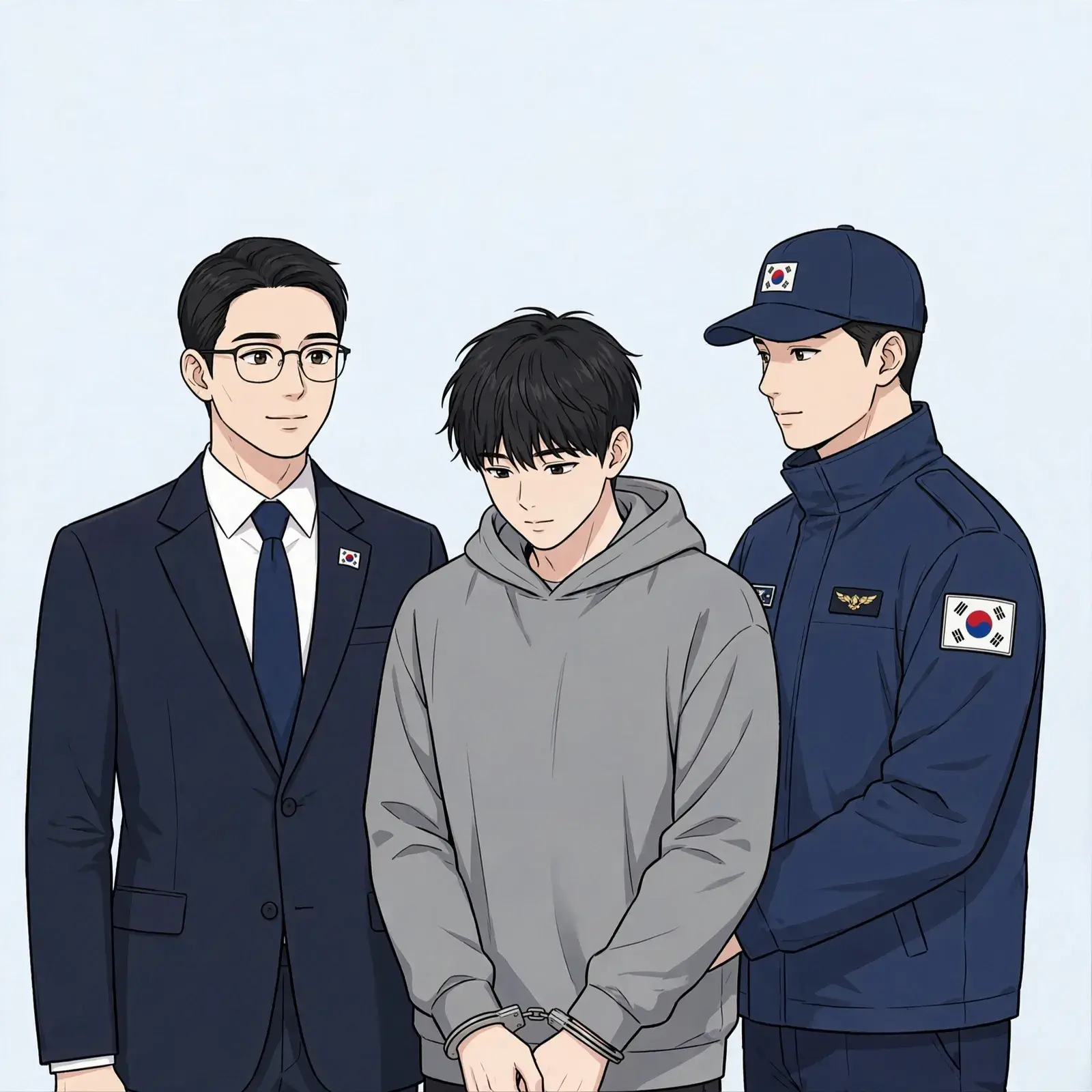
South Korean President Lee Jae Myung warned on October 2 that Seoul could take further measures if Ukraine continued to reject South Korea’s account of a confidentiality agreement concerning the return of two North Korean prisoners of war (captured combatants) to South Korea.
Lee said Ukraine had requested that the arrangement remain private, but later made it public and denied that a confidential agreement had existed. He demanded that Kyiv acknowledge the agreement and issue a public apology.
Lee described the matter as an issue of South Korea’s national dignity and said it could not be ignored if Ukraine continued to refuse to acknowledge the facts and apologize.
What each side has said
Seoul’s account of the agreement
Lee said the two governments had agreed to keep the prisoner transfer confidential at Ukraine’s request. According to his account, South Korea then expressed regret when Ukraine disclosed the arrangement, but Ukraine subsequently denied that the agreement had been made.
The South Korean government had already raised the issue publicly. On September 27, presidential communications official Sung Ki-hong said Seoul strongly objected to what it called Ukraine’s unilateral disclosure and a false public statement denying the existence of the confidentiality agreement. He called for an official explanation and an apology.
Ukraine’s description of the disagreement
Lee’s warning followed remarks by Ukrainian Foreign Minister Andrii Sybiha to local reporters. Sybiha said he did not want to call the matter an “incident,” suggesting it would be better described as a diplomatic misunderstanding.
The account provided here does not include a detailed Ukrainian response to Lee’s latest demand. The two governments’ public descriptions therefore remain in conflict: Seoul says there was an agreement that was later denied, while the Ukrainian remarks cited by Lee frame the matter as a misunderstanding.
Lee’s warning and Seoul’s demands
Lee posted his comments on X while sharing a report about Sybiha’s remarks. He said that denying the agreement had effectively made the president of another country appear to be a liar, after South Korea’s leader had raised the issue in a measured way.
Lee said that if Ukraine continued to refuse to recognize the agreement and apologize publicly, South Korea would take additional measures. He did not specify what those measures would involve.
The demand centers on two steps: an acknowledgment that the confidentiality arrangement existed and a public apology for its disclosure and subsequent denial, as described by the South Korean government. No resolution or agreement on those steps was reported in the article.
Why confidentiality matters in diplomacy
Governments sometimes keep sensitive discussions private when public disclosure could complicate negotiations or affect people involved. A confidentiality agreement is an understanding between parties about what information should not be shared publicly; in practice, it can be as simple as agreeing not to announce a sensitive meeting until both sides are ready.
Such arrangements can be especially delicate when they involve prisoners of war, whose transfer may carry political and security implications. A public disagreement over whether a promise was made can also damage trust, even if the immediate issue is limited to how a transfer was announced.
A dispute over trust as well as procedure
The disagreement is not only about whether information was released too soon. South Korea says Ukraine later denied the very agreement that Seoul says had governed the disclosure, making the dispute one of credibility and diplomatic respect as well as protocol (the customary rules for official relations between governments).
Lee’s reference to South Korea’s national dignity signals that the government views the dispute as broader than an administrative misunderstanding. However, the article does not establish what evidence either side has made public, so the competing accounts should be understood as claims by the governments involved rather than as independently resolved facts.
What may happen next
Lee’s statement raises the possibility of additional South Korean action, but it provides no details about its form, timing, or scope. The earlier call for an official explanation and apology indicates the steps Seoul says it wants before the disagreement can be settled.
The immediate outlook depends on whether Kyiv responds to those demands and whether the two governments can reconcile their different accounts. A clear explanation, acknowledgment, or apology could create a path to ease tensions; continued public disagreement could make cooperation more difficult, though the article does not report that any specific cooperation has been suspended.
What remains unclear
- Whether Ukraine will acknowledge that a confidentiality agreement was made.
- Whether Kyiv will issue a public apology or provide a formal explanation.
- What additional measures Lee may consider if South Korea’s demands are not met.
The central issue
Lee has tied the dispute over the return of two North Korean prisoners to a larger question of trust between South Korea and Ukraine. His warning makes clear that Seoul considers the alleged disclosure and denial serious, but the next steps—and whether the disagreement can be resolved through diplomacy—remain uncertain.