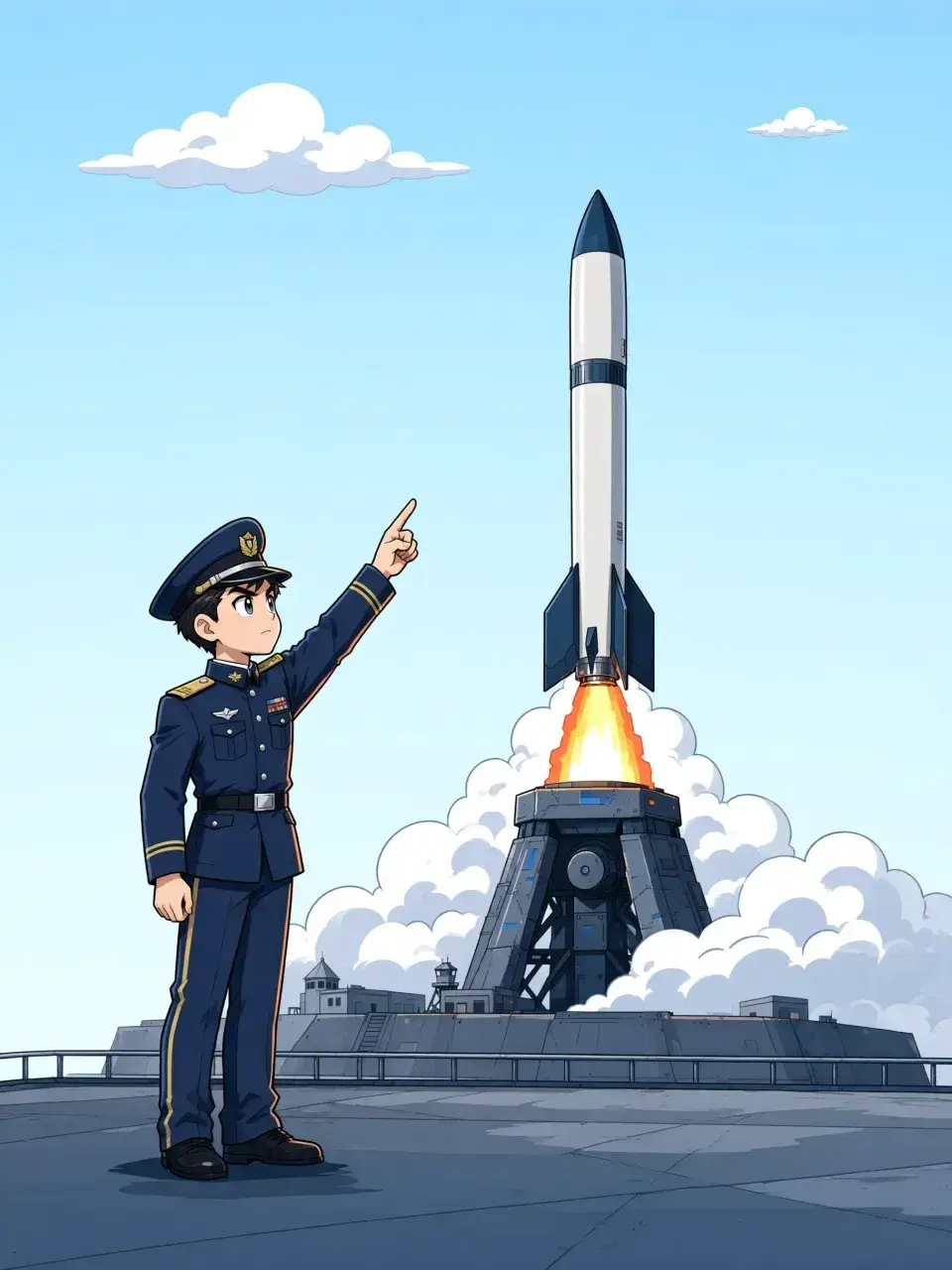
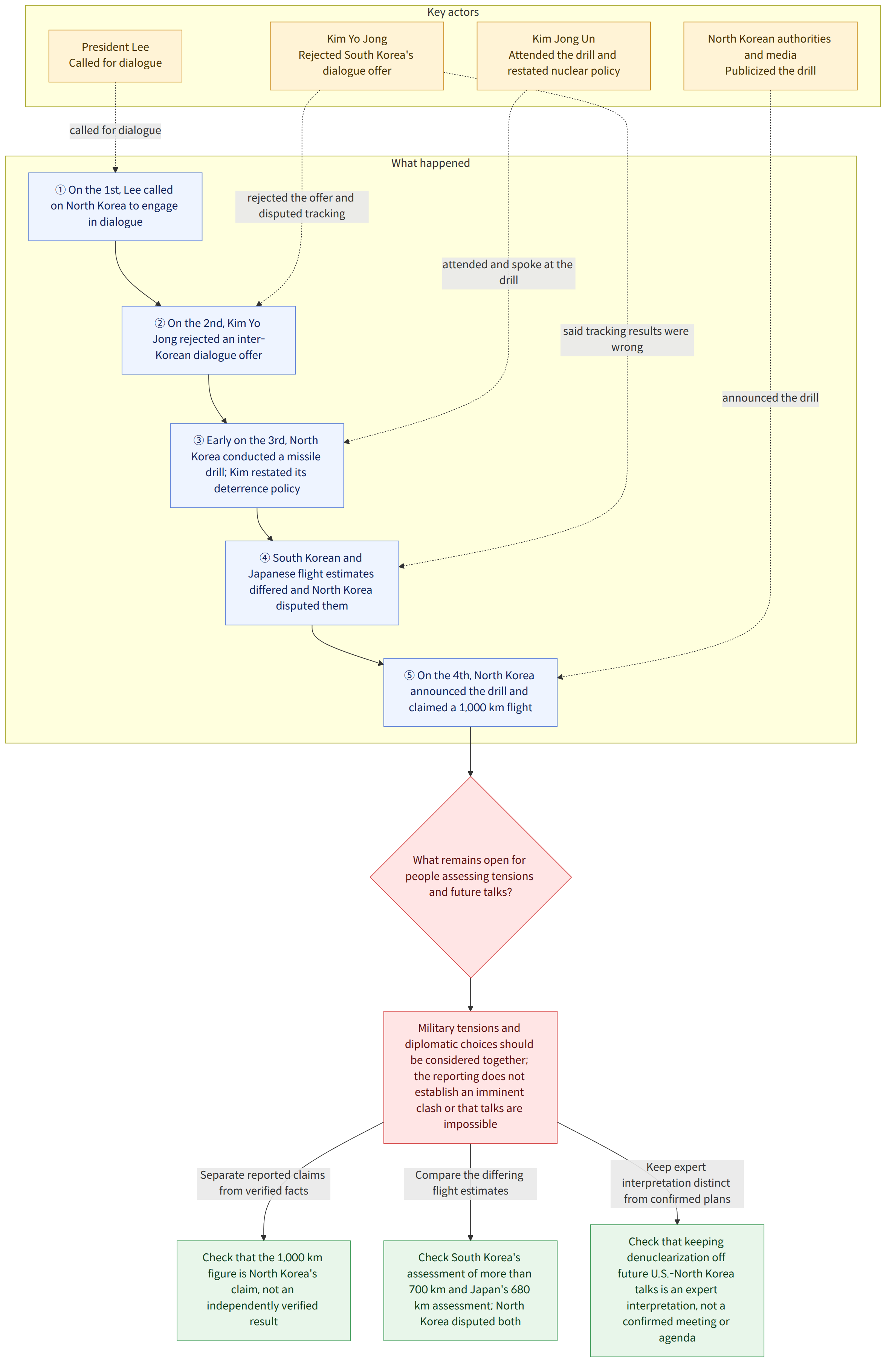
North Korea announced on the 4th that it had conducted a missile launch drill toward the East Sea from the eastern region early on the 3rd, with leader Kim Jong Un in attendance. North Korean media reported that the missile hit a designated target 1,000 km away over the East Sea, and Kim said the purpose of the drill was to further strengthen nuclear war deterrence and that his views and policy remained unchanged. The announcement came shortly after North Korea rejected an offer of inter-Korean dialogue.
The missile’s flight distance and performance cannot be established based on North Korea’s announcement alone. South Korean and Japanese tracking results are also disputed by North Korea, so it is important to distinguish the reported figures from facts independently verified.
Background and context
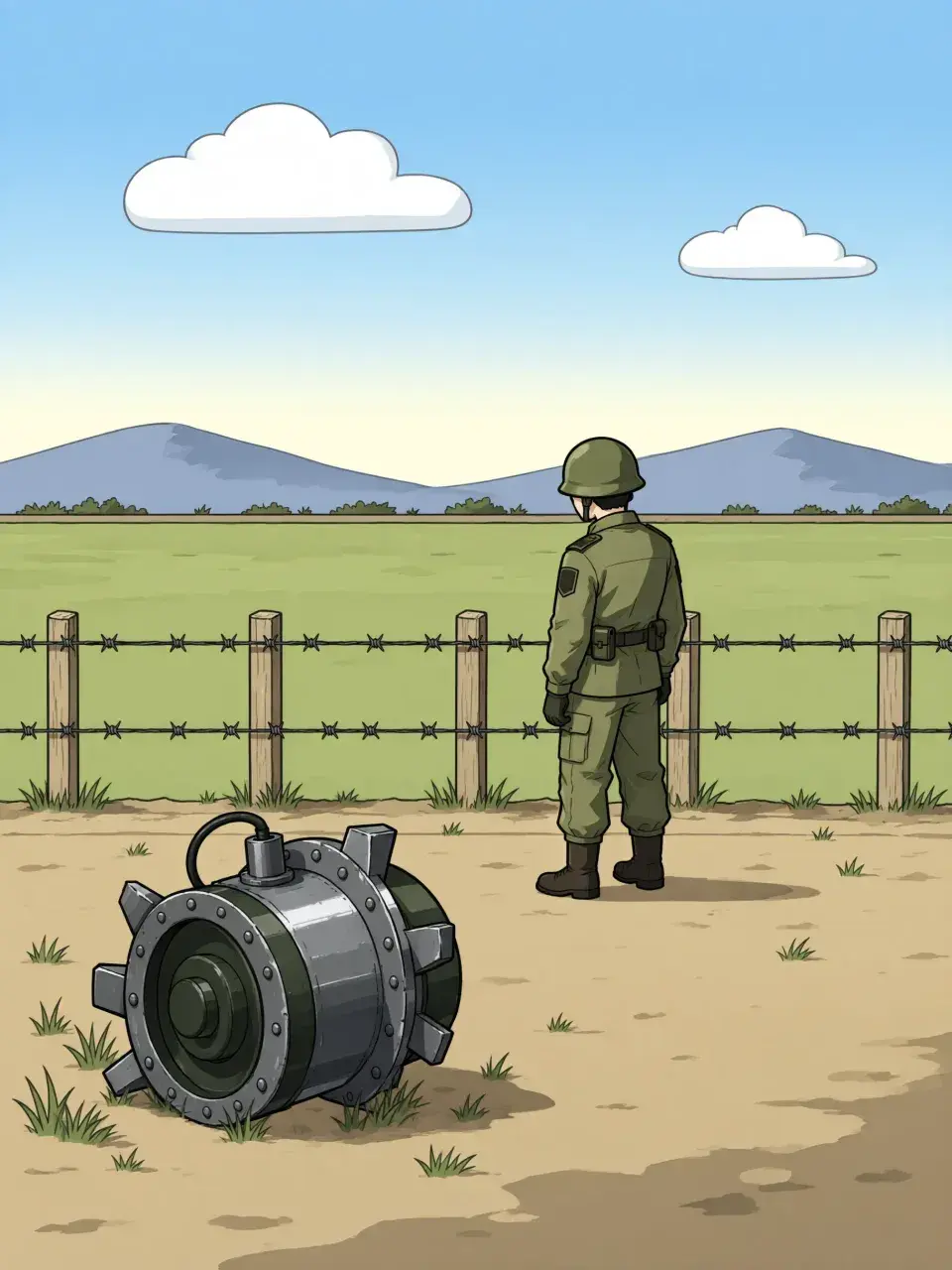
The drill took place amid signals of possible dialogue between the two Koreas. In his Armed Forces Day speech on the 1st, President Lee Jae-myung called on North Korea to engage in dialogue and said he would continue taking practical steps to ease military tensions. But on the 2nd, Kim Yo Jong, director of the General Affairs Department of the Workers’ Party of Korea (노동당), rejected the South Korean government’s offer of dialogue regarding a land-mine explosion, saying North Korea would not allow any room for entanglement or dealings with South Korea.
The following day, North Korea conducted the missile drill, and Kim Yo Jong announced it, claiming that South Korean and Japanese tracking results were wrong. South Korea assessed the missile had flown more than 700 km, while Japan assessed it had flown 680 km, but North Korea criticized both countries’ detection capabilities. The North Korean newspaper Rodong Sinmun reported that the missile hit a designated target 1,000 km away over the East Sea.
Kim Jong Un’s remarks went beyond an assessment of the drill he attended: he reiterated North Korea’s position that it would continue its policy of strengthening nuclear deterrence. Nuclear deterrence refers to military capabilities intended to prevent or deter an adversary’s attack. Kim said efforts to make an adversary recognize the reliability and lethality of strategic offensive weapons must continue. His daughter, Kim Ju Ae, and his wife, Ri Sol Ju, also attended the drill.
What this news means
The announcement is drawing attention not only because of the missile itself, but also because it linked the rejection of inter-Korean dialogue and nuclear policy as part of a single sequence of events. Hong Min, a senior research fellow at the Korea Institute for National Unification (통일연구원), interpreted Kim Yo Jong’s direct involvement as politically linking the missile test to the situation surrounding the land-mine explosion. This can be read as North Korea conveying its refusal to respond to an offer of dialogue alongside the publicizing of military activity.
The message may also be directed at U.S.-North Korea relations. Jang Yong-seok, a visiting researcher at Seoul National University’s Institute for Peace and Unification Studies (서울대 통일평화연구원), said North Korea’s aim is to keep denuclearization off the agenda of any future U.S.-North Korea talks. This is an expert’s interpretation, however, and does not mean that a meeting has been arranged or that its actual agenda has been set. At a ceremony on the 4th marking the 19th anniversary of the October 4 Inter-Korean Summit Declaration, a speech read on behalf of President Lee Jae-myung said the vicious cycle of hostility and confrontation must be broken, highlighting the gap between the two sides’ messages.
For South Korean readers, it is important to recognize that military tensions and diplomatic choices are not separate issues. For example, if efforts to resume inter-Korean dialogue are underway, North Korea’s rejection of dialogue and its statements about strengthening nuclear deterrence could be signals to consider together when assessing the conditions for talks. But the reporting available does not provide grounds to interpret these statements as confirmation that a military clash is imminent or that talks are impossible.
What differed across reports
Reports generally described the projectile as a “hypersonic missile,” while North Korean media reportedly used the terms “intermediate-range strategic missile” or “hypersonic strategic weapons system.” The difference in terminology alone is not enough to conclude that they were different missiles.
Reported flight distances also vary by source. Reports said South Korea’s Joint Chiefs of Staff (합동참모본부) assessed the missile had flown more than 700 km, Japan’s Ministry of Defense assessed it had flown 680 km, and North Korea claimed it hit a designated target 1,000 km away. The reports do not establish whether these figures were measured using the same methods and criteria, so none should be treated as the verified actual flight distance.
What is confirmed and what remains unknown
Confirmed facts
- North Korea reported on the 4th that it had conducted a missile launch drill early on the 3rd, with Kim Jong Un in attendance.
- Kim said the drill was intended to strengthen nuclear war deterrence and that his policy remained unchanged.
- Kim Yo Jong rejected an offer of dialogue with South Korea and claimed that South Korean and Japanese flight-path tracking results were wrong.
- President Lee Jae-myung called for dialogue on the 1st and said on the 4th that the vicious cycle of hostility and confrontation must be broken.
What remains unknown
- Have the missile’s actual flight path and performance been independently verified from outside North Korea?
- How will it be decided whether a U.S.-North Korea summit takes place and, if it does, whether denuclearization will be on the agenda?
- What specific changes, if any, will the drill publicized by North Korea bring to the way future inter-Korean or U.S.-North Korea dialogue is conducted?
What readers should watch for
- Follow subsequent reports on how South Korean and Japanese authorities’ tracking results and North Korea’s announcement are further explained. It is important not to treat different figures as a single confirmed flight distance.
- When reading news about inter-Korean dialogue and U.S.-North Korea talks, distinguish confirmed announcements about whether a meeting will take place, who will participate, and what will be discussed from experts’ forecasts.
- Checking whether North Korea’s show of force and the South Korean government’s offer of dialogue lead to follow-up measures can help readers understand current tensions and diplomatic choices together.
References
- Other coverage consulted: hani.co.kr
- Other coverage consulted: hani.co.kr