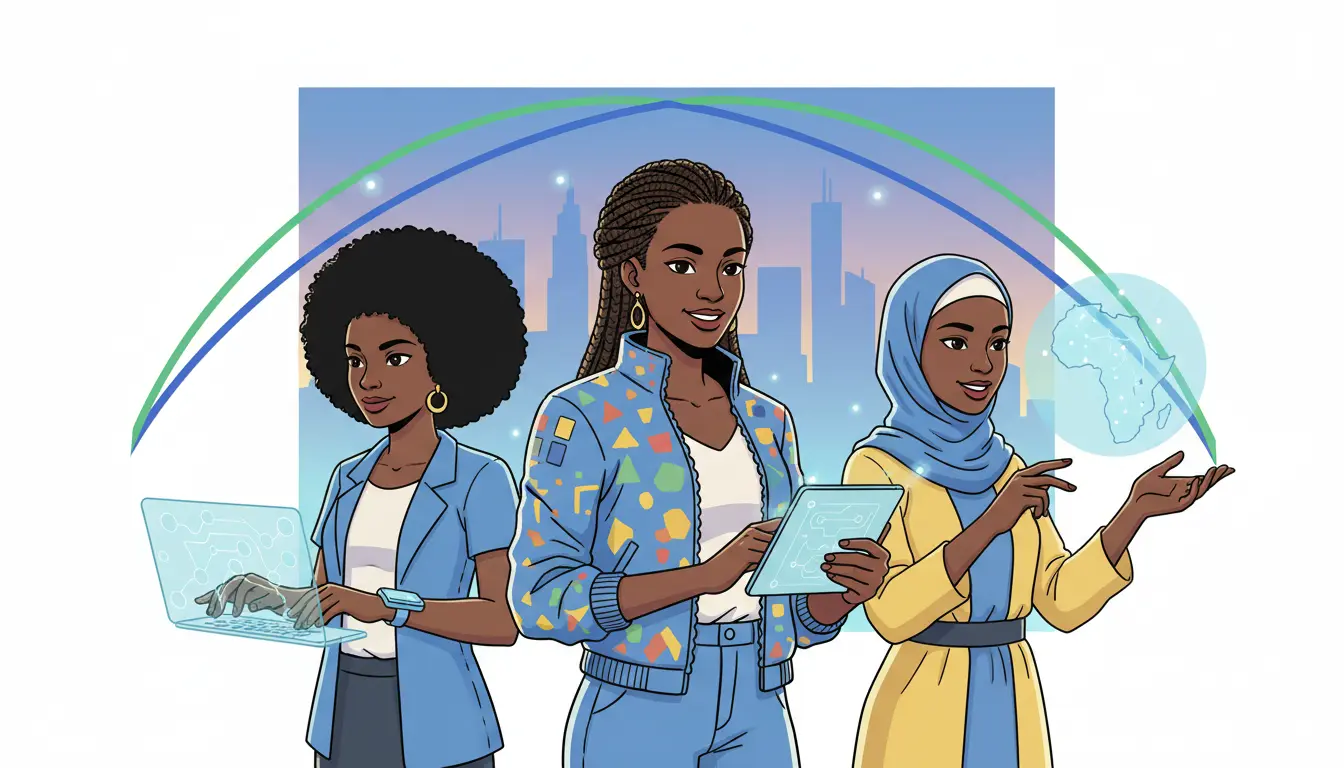
Closing Africa's Digital Divide: New Hope for Women
The digital gap—the difference between those who have easy access to technology and those who do not—remains a significant challenge across the African continent. For women, this barrier is often even higher due to long-standing social and economic factors.
To address this, specialized initiatives are being launched to provide the tools necessary for digital success and inclusion.
Breaking Barriers through Direct Support
To overcome these obstacles, experts are combining several strategies to make digital participation more accessible. This includes providing training, mentorship (guidance and advice from experienced professionals), and resource provision (giving access to laptops or internet data).
"Real change happens when women are not just users of technology, but creators and leaders within the digital space."
Furthermore, advocacy (publicly supporting a cause to change laws or social attitudes) plays a vital role in ensuring that women's voices are heard by decision-makers.
Strengthening Skills in Local Communities
Community-driven programs are at the heart of this movement. By focusing on local needs, these projects help women gain practical skills that can be used immediately in their daily lives or businesses.
- Practical Workshops: Teaching how to use digital banking or how to start an e-commerce (online shopping) business.
- Networking Groups: Connecting women with local tech leaders to share experiences and find jobs.
- Financial Aid: Providing small grants to help buy essential tech equipment like smartphones.
By strengthening these skills, more women are entering the workforce and contributing to the digital economy. For example, a local market seller might use her new skills to reach customers across the country through a simple mobile application.