Seoul Responds to Kim Yo Jong’s Criticism
South Korea’s presidential office on October 2 urged North Korea to stop its verbal attacks and take part in efforts to promote peaceful coexistence on the Korean Peninsula. The response followed remarks by Kim Yo Jong, a senior North Korean official, who derided President Lee Jae Myung’s pledge to take consistent, practical steps to reduce military tensions.
Kim described Lee’s message, delivered in a speech marking Armed Forces Day, as “the climax of a farce.” Seoul said personal attacks on the president and the government would not help build mutual trust.
“The North should stop its unproductive criticism and join our efforts for peaceful coexistence on the Korean Peninsula,” a presidential office official said.
What Kim Yo Jong Said
In a statement carried by North Korea’s state news agency, Kim criticized both Lee and South Korean military authorities. She argued that officials were making accusations about a recent border incident while the president was publicly speaking about reducing tensions.
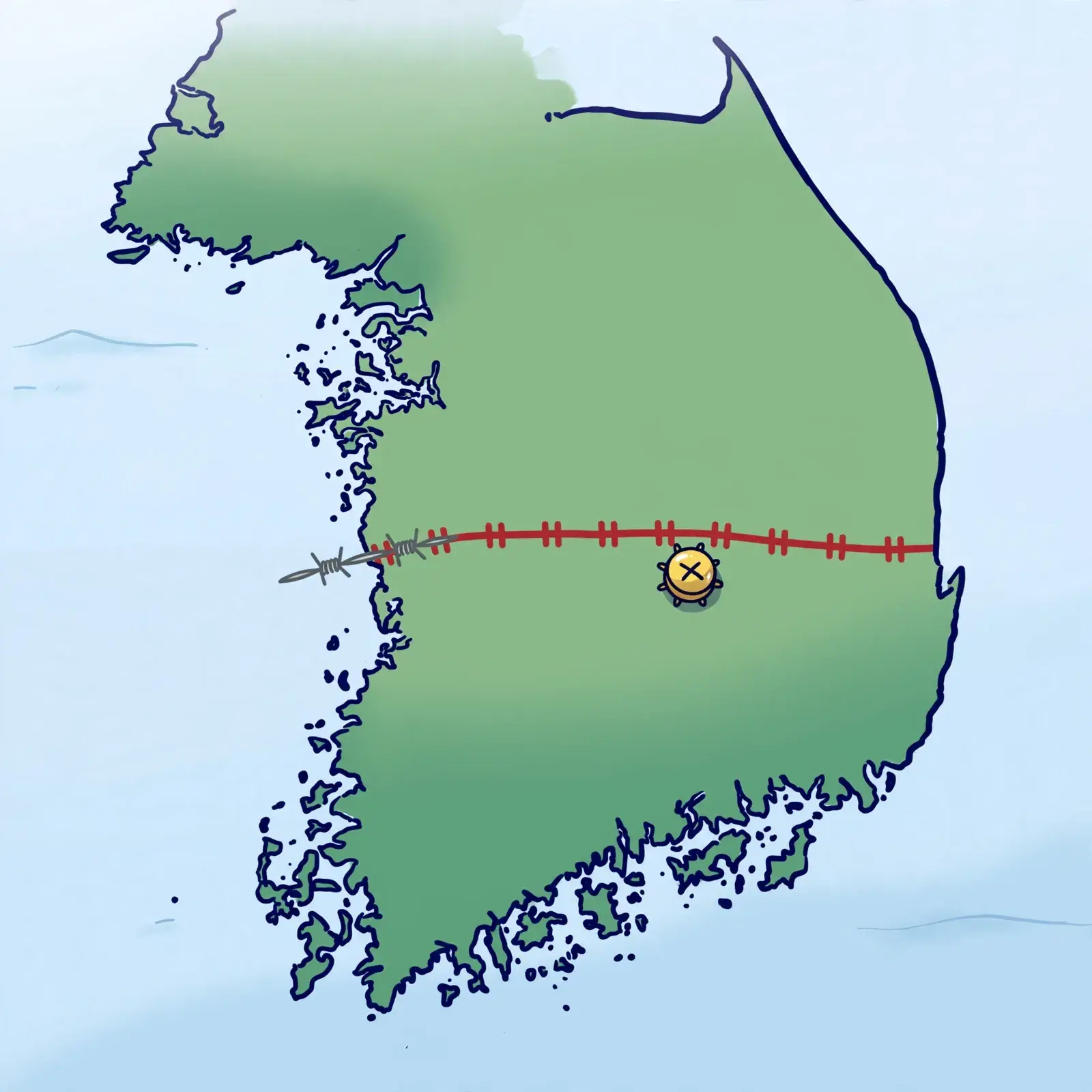
Kim also rejected South Korea’s handling of a land-mine explosion on September 21 in the Demilitarized Zone, or DMZ (the heavily guarded area separating the two Koreas). She said Seoul had rushed to what she called an unreasonable conclusion and issued an inadequate official statement. She also dismissed the government’s remarks about an apology.
These comments represent Pyongyang’s characterization of the incident and South Korea’s response; they do not establish the facts of the explosion. Seoul said its investigation is still intended to determine what happened and to make the findings public.
Seoul Promises a Transparent Investigation
The presidential office said the government would conduct a prompt and thorough inquiry into the explosion and disclose the findings transparently. It added that South Korea would take any measures deemed necessary once the facts had been established.
A clear investigation matters because a military incident near the border can quickly become a point of dispute between the two governments. Confirming what happened, how it happened and whether safety procedures were followed can help distinguish verified evidence from competing claims.
South Korea said it would investigate the blast carefully while also working to prevent a similar incident from happening again.
Why the Border Incident Matters
The DMZ is a sensitive military zone where small incidents can carry wider political consequences. A land mine is an explosive device buried in the ground, often designed to detonate when someone steps on or near it. In a heavily restricted border area, determining the device’s location and origin may be important to understanding the risks and assigning responsibility.
The available information in the government’s statement did not provide detailed findings about the blast. The presidential office said the investigation would establish the facts, so responsibility and the circumstances of the explosion remain unresolved in this account.
Calls for Dialogue Amid Hostile Rhetoric
Alongside its promise to investigate, Seoul said the two Koreas need to reduce military tension and resume dialogue and communication. The government presented those steps as necessary both to prevent another incident and to build trust between the sides.
The exchange highlights the difficulty of pursuing de-escalation while public statements remain sharply antagonistic. One side’s declaration of peaceful intent may be rejected or ridiculed by the other, making practical communication channels especially important. In everyday terms, it is harder to resolve a dispute when the parties trade accusations but do not speak directly about what happened or how to avoid a repeat.
- Seoul’s position: Stop personal and political attacks, establish the facts of the land-mine incident, and reopen communication.
- Kim’s position: She criticized Lee’s remarks and rejected South Korea’s handling of the explosion.
- What remains unclear: The investigation’s findings and the circumstances behind the September 21 blast.
What Happens Next
The immediate issue is whether South Korea’s investigation can provide findings that both sides will address, even if they disagree about their implications. Seoul says it will make the facts clear and take necessary steps, while also urging North Korea to participate in efforts to reduce tension.
No renewed dialogue or agreement was announced in the statements described here. For now, the dispute combines an unresolved military incident with a wider argument over trust, responsibility and the possibility of peaceful coexistence. The investigation’s results—and whether either government responds by reopening communication—will help shape what follows.