Classifying Prosecutorial Actions as "State Violence"
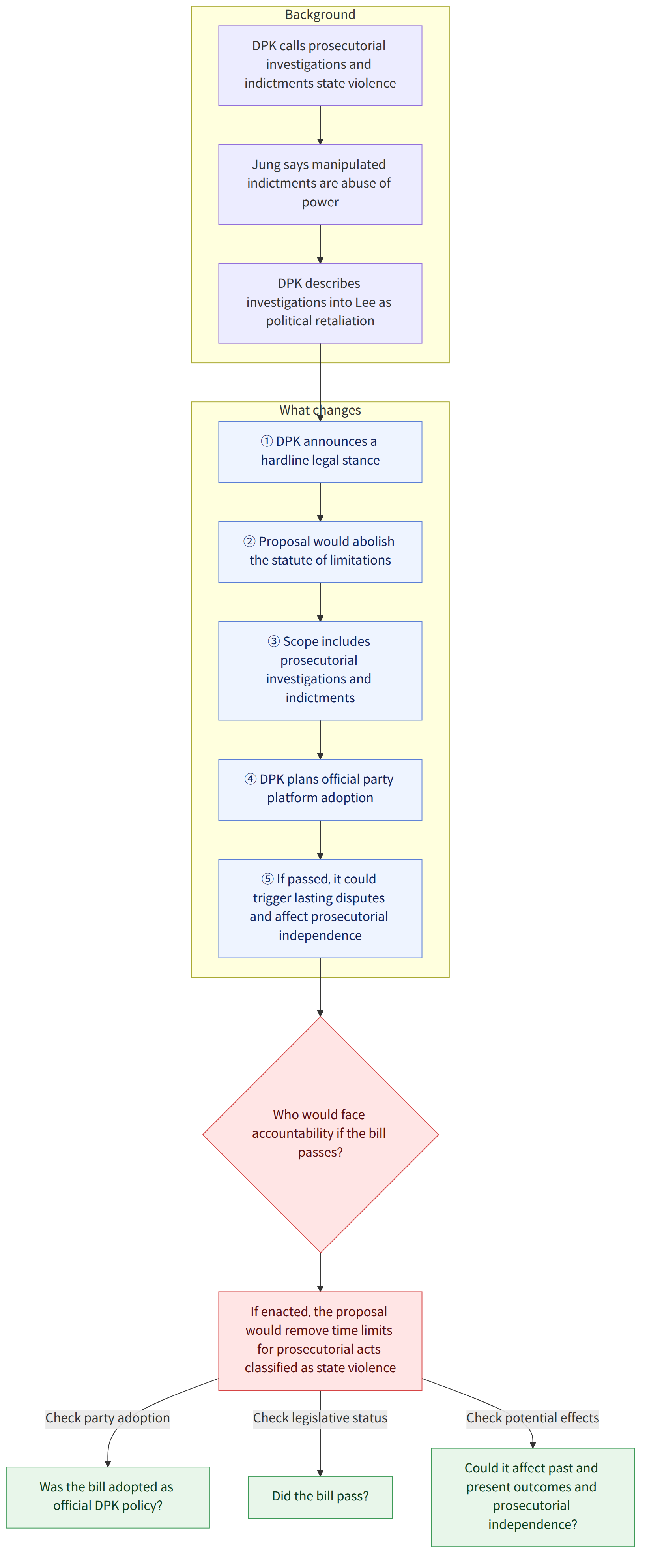
The Democratic Party of Korea (DPK) has announced a hardline legal stance, classifying prosecutorial investigations and indictments (the formal process of charging someone with a crime) as "state violence." Rep. Jung Chung-rae argued that manipulated indictments should be categorized as a form of abuse of power.
This move is interpreted as a direct counter-response to ongoing investigations targeting opposition leaders. The DPK plans to adopt a bill addressing this issue as an official party platform to accelerate its legislative passage.
No Expiration Date on Crimes: The "Nazi Precedent"
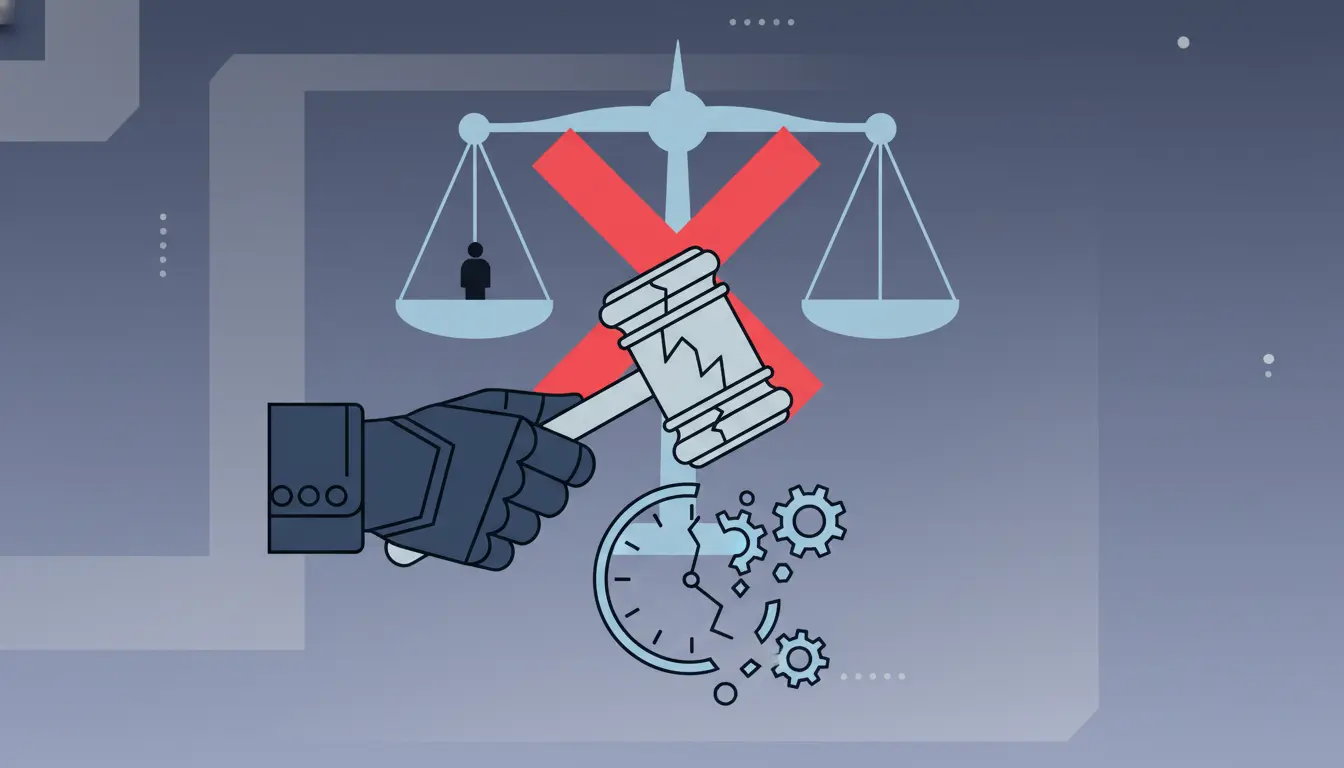
The core of the proposed bill is the total removal of the statute of limitations (a law that sets the maximum time after an event within which legal proceedings may be initiated). This means individuals can be held accountable regardless of how much time has passed.
"State violence crimes must be held accountable until death, much like Nazi war criminals. We must abolish the statute of limitations to ensure such acts never happen again."
This sentiment echoes previous statements by DPK leader Lee Jae-myung, who emphasized the need for lifelong accountability for state-led crimes. The party aims to apply this logic to prosecutors, labeling them as "perpetrators" of state violence.
- Abolishing Limitations: No time limit on legal punishment
- Expanding Definition: Including prosecutorial investigation and indictment processes
- Party-wide Policy: Official consensus within the DPK for legislative action
Political Implications and Future Outlook
During a recent briefing, DPK members criticized the current administration's investigative methods, claiming they undermine the foundations of democracy. They specifically defined the investigations into Lee Jae-myung as political retaliation and an abuse of state power.
If this bill passes, it could trigger permanent legal disputes over past and present prosecutorial outcomes. This shift is expected to bring significant changes to the independence of the prosecution and how investigative powers are exercised in South Korea.