
The Turning Point: Breaking the Nightmare
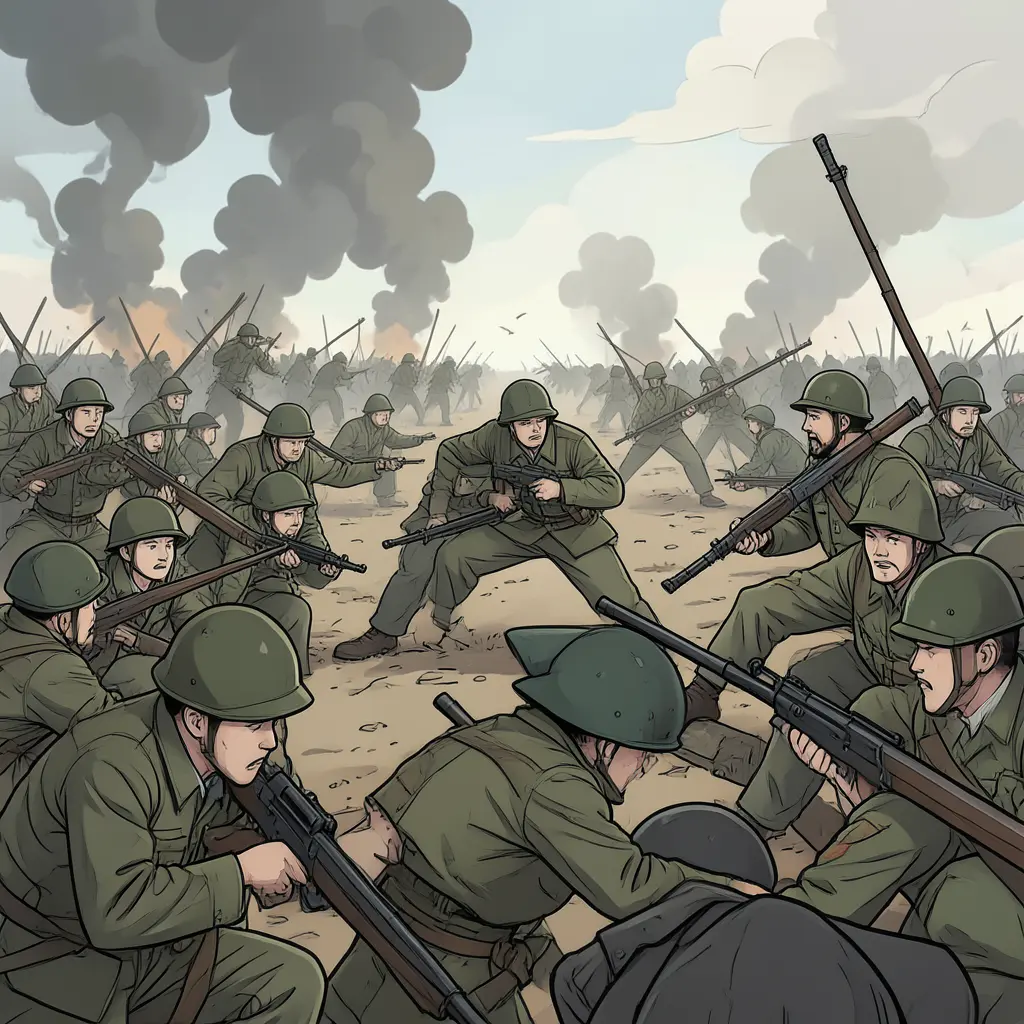
In May 1951, during the second spring offensive by the Chinese People's Volunteer Army, the South Korean military achieved two pivotal victories. These wins served as a beacon of hope during one of the most grueling periods of the war.
One of the most significant triumphs occurred at the Battle of Yongmunsan. The 6th Division, which had previously suffered a humiliating defeat at Sachang-ri, managed to inflict a record-breaking loss on the Chinese forces.
Strategic Brilliance on the Battlefield
Following this, the 1st Corps, led by Paik Sun-yup, demonstrated exceptional tactical agility. They executed rapid maneuvers to block the enemy's advance.
The 1st Corps successfully thwarted the Chinese offensive that had attempted to break through the Hyeon-ri region, securing a vital defensive line.
This success was like a "refreshing rain" for the troops, proving that the South Korean military could not only hold their ground but decisively defeat a numerically superior enemy.
The Bitter Aftermath: Loss of Command
However, this military glory was met with a shocking administrative blow. Despite their proven capability on the battlefield, the South Korean military faced a sudden deprivation of operational command (the authority to direct military movements and strategy).
- The Contrast: High tactical success vs. loss of strategic authority.
- The Result: A psychological blow to the leadership and soldiers who had just secured victory.
- The Irony: Being stripped of power exactly when their competence was most evident.
This decision remains a poignant example of the complex political and military dynamics that governed the conflict, where battlefield victory did not always translate into political autonomy.

















