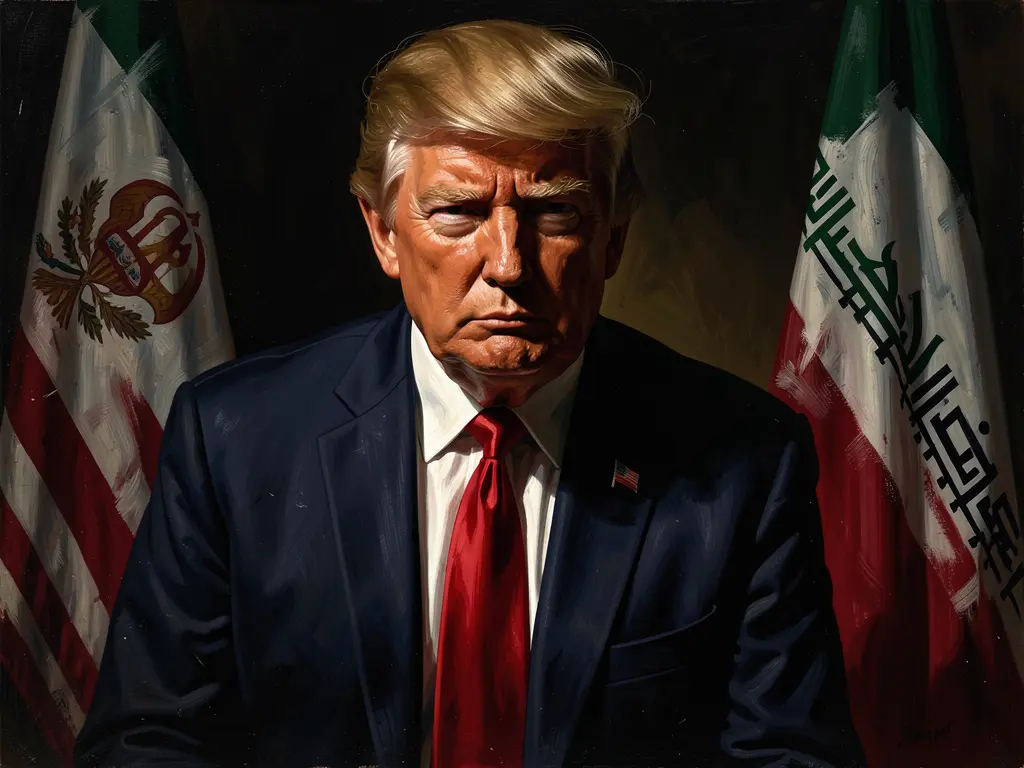
A High-Stakes Race Against the Clock
U.S. President Donald Trump has signaled a potential and urgent return to the negotiating table with Iran. In a recent phone interview, Trump indicated that additional peace talks could be happening over the next two days, specifically pointing toward Islamabad, Pakistan, as the likely venue.
This development comes at a critical juncture, as the first round of negotiations concluded without a formal agreement. Both nations are now racing to bridge deep-seated diplomatic divides before their current two-week ceasefire expires on April 22. The atmosphere remains volatile, with the possibility of a diplomatic breakthrough competing against the risk of renewed hostilities.
The Role of the Mediator: Pakistan's Strategic Influence
Trump specifically highlighted the role of Pakistan Field Marshal Asim Munir, praising his efforts in facilitating the dialogue. The choice of Pakistan as a venue is not accidental; the country has historically served as a neutral ground for complex geopolitical negotiations in South Asia and the Middle East.
"You should stay there, really, because something could be happening over the next two days... the field marshal is doing a great job," Trump remarked, emphasizing the importance of the Pakistani mediation.
While Trump had previously suggested that a second round of talks might take place in Europe, his recent shift toward Islamabad suggests a preference for a mediator who has already established a functional rapport with both the American and Iranian delegations.
The Nuclear Deadlock: Enrichment and Timelines
At the heart of the conflict is the issue of uranium enrichment (the process of increasing the concentration of uranium-235 to make it suitable for nuclear weapons or power plants). The U.S. maintains a hardline stance that Iran must not possess nuclear weapons, while Iran views its nuclear program as a matter of national sovereignty and energy security.
The Gap in Proposals
- The U.S. Position: Washington reportedly proposed a 20-year suspension of all nuclear activities to ensure long-term stability.
- The Iranian Position: Tehran countered with a much shorter window, offering to suspend activities for up to five years.
Trump expressed dissatisfaction with reports regarding the 20-year proposal, reiterating his absolute stance that Iran cannot be allowed to develop nuclear weapons. This gap in timelines represents a fundamental disagreement over trust and verification.
Beyond Nukes: Economic and Strategic Pressure Points
While nuclear weapons dominate the headlines, several other critical issues are complicating the peace process. These are not just political disagreements but involve trillions of dollars and global energy security.
Key Sticking Points
- Frozen Assets: Iran is demanding the release of its financial assets currently frozen in foreign banks due to U.S. sanctions.
- Sanctions Relief: Tehran seeks the lifting of both primary sanctions (which forbid U.S. companies from trading with Iran) and secondary sanctions (which penalize non-U.S. companies for trading with Iran).
- The Strait of Hormuz: This is a narrow waterway between Oman and Iran. It is a vital shipping route (a 'choke point') through which a significant portion of the world's oil and gas passes. Iran claims the right to control this passage, which the U.S. views as a threat to global trade.
The 'Pressure' Strategy: Naval Blockades and Diplomacy
To force Iran's hand, President Trump has employed a strategy of maximum pressure. Following the failure of the initial talks, he ordered a naval blockade of Iranian ports within the Strait of Hormuz.
This move is a classic example of coercive diplomacy—using a military threat to compel an opponent to make concessions at the negotiating table. By restricting the flow of goods and oil, the U.S. aims to create economic hardship within Iran, making the prospect of a peace deal more attractive than continued isolation.
Future Outlook: Peace or Escalation?
As the April 22 deadline approaches, the world is watching to see if the 'next two days' will bring a breakthrough. If the talks in Pakistan succeed, it could lead to a new framework for Middle Eastern security. However, if the parties remain deadlocked, the expiration of the ceasefire could trigger a significant escalation in military conflict.
The outcome will likely depend on whether Iran is willing to accept a longer nuclear freeze in exchange for the lifting of sanctions and the release of its frozen wealth.