The End of an Era and the Long Road Ahead
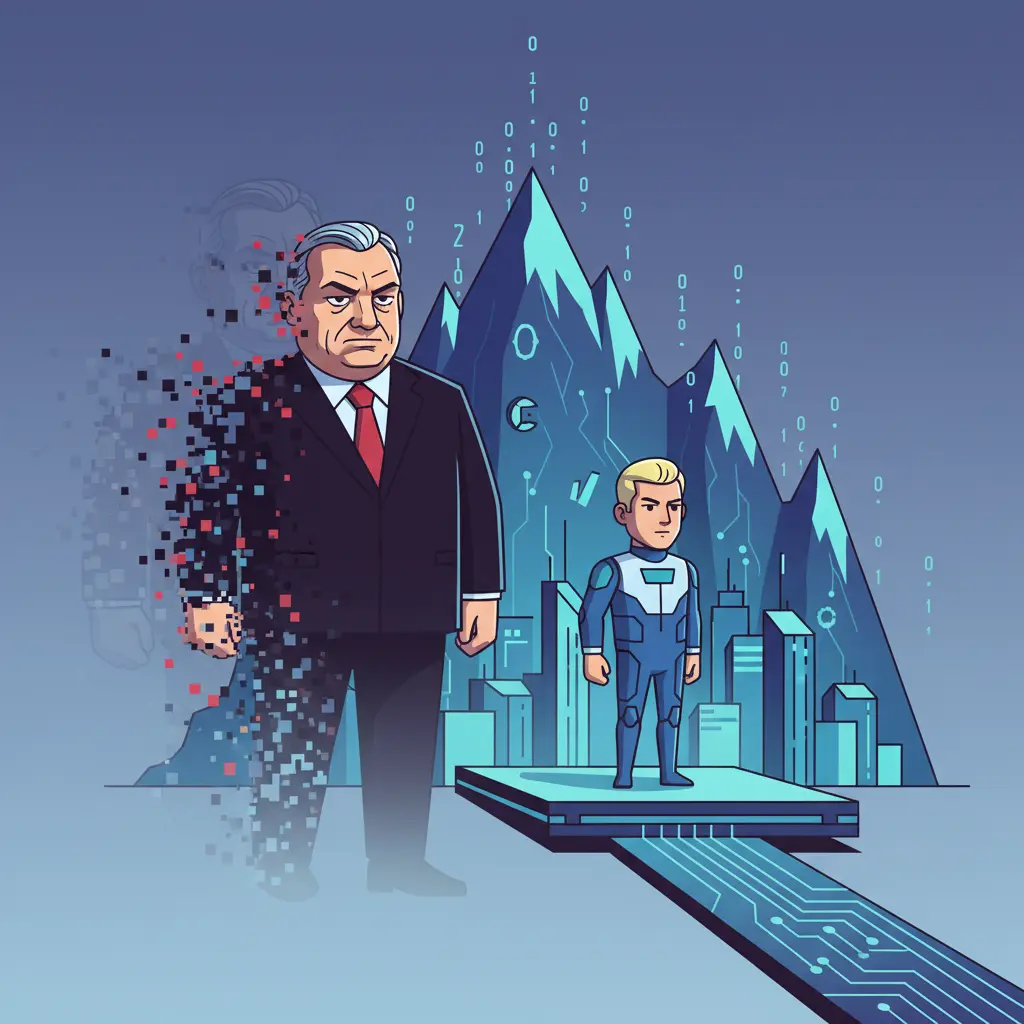
The political landscape of Hungary shifted dramatically as Péter Magyar led the Tisza party to a landslide victory, ending Viktor Orbán’s 16-year administration. With a potential two-thirds majority in parliament, the sense of hope among pro-Europeans is palpable. However, history suggests that unseating a long-term populist leader is only the first step in a much longer and more difficult marathon.
Defeating Orbán in an election is one thing, but keeping him at bay long-term is another challenge entirely. Leaders like Joe Biden in the US and Donald Tusk in Poland have struggled to maintain their momentum after replacing populist predecessors. For Magyar, the primary task is to dismantle the state capture (a situation where private interests significantly influence a state's decision-making processes) that Orbán spent nearly two decades building.
The Battle Over Information Control
A cornerstone of the previous regime was its extensive control over the media. Most Hungarian news outlets are currently governed by individuals close to the Fidesz party. A key player in this system is Kesma (Central European Press and Media Foundation), a massive conglomerate that controls over 500 national and local media organizations.
"Rapid attempts to depoliticize public media can often be framed by the opposition as an anti-democratic attack on the free press, fueling a populist resurgence."
Poland’s recent experience serves as a warning. When the new government moved swiftly to fire the heads of state media, the opposition organized major protests and sit-ins. This turmoil allowed the former ruling party to regroup and eventually secure a major presidential election win just a year later. Magyar must navigate this transition with extreme care to avoid similar pitfalls.
Beyond 'Orbánomics': Seeking Economic Sovereignty
Ultimately, the survival of the new government will depend on its economic performance. For years, Hungary has relied on a model of dependent market capitalism, heavily tied to Foreign Direct Investment (FDI, when a company or individual from one country invests in business interests in another country). While initially dependent on German capital, the focus has recently shifted toward East Asian investments.
The EV Battery Factory Dilemma
Orbán’s strategy involved attracting massive Chinese and South Korean investments into electric vehicle (EV) battery manufacturing. However, these plants require enormous amounts of water and have become ecologically disastrous. This is much like a small town being forced to host a massive, resource-heavy factory that benefits international corporations while damaging the local environment.
To prevent an Orbán comeback in 2030, Magyar’s administration must accomplish several goals:
- Reduce the extreme dependence on FDI and foreign corporations.
- Develop an industrial policy that prioritizes environmental sustainability.
- Deliver tangible improvements in the living standards of average Hungarians.
If the new government fails to provide a prosperous alternative, Orbán—backed by his international allies—will likely position himself as the savior of the nation once again. Success requires more than just winning votes; it requires a new economic vision that works for all citizens.