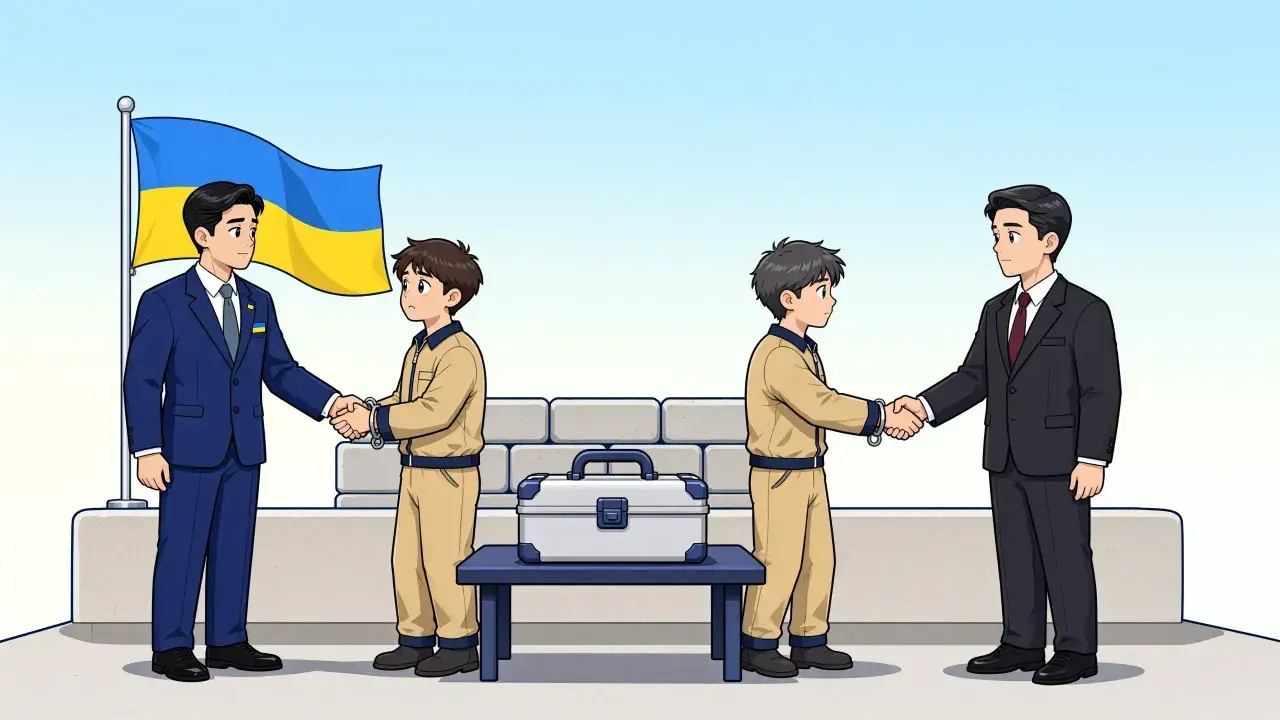
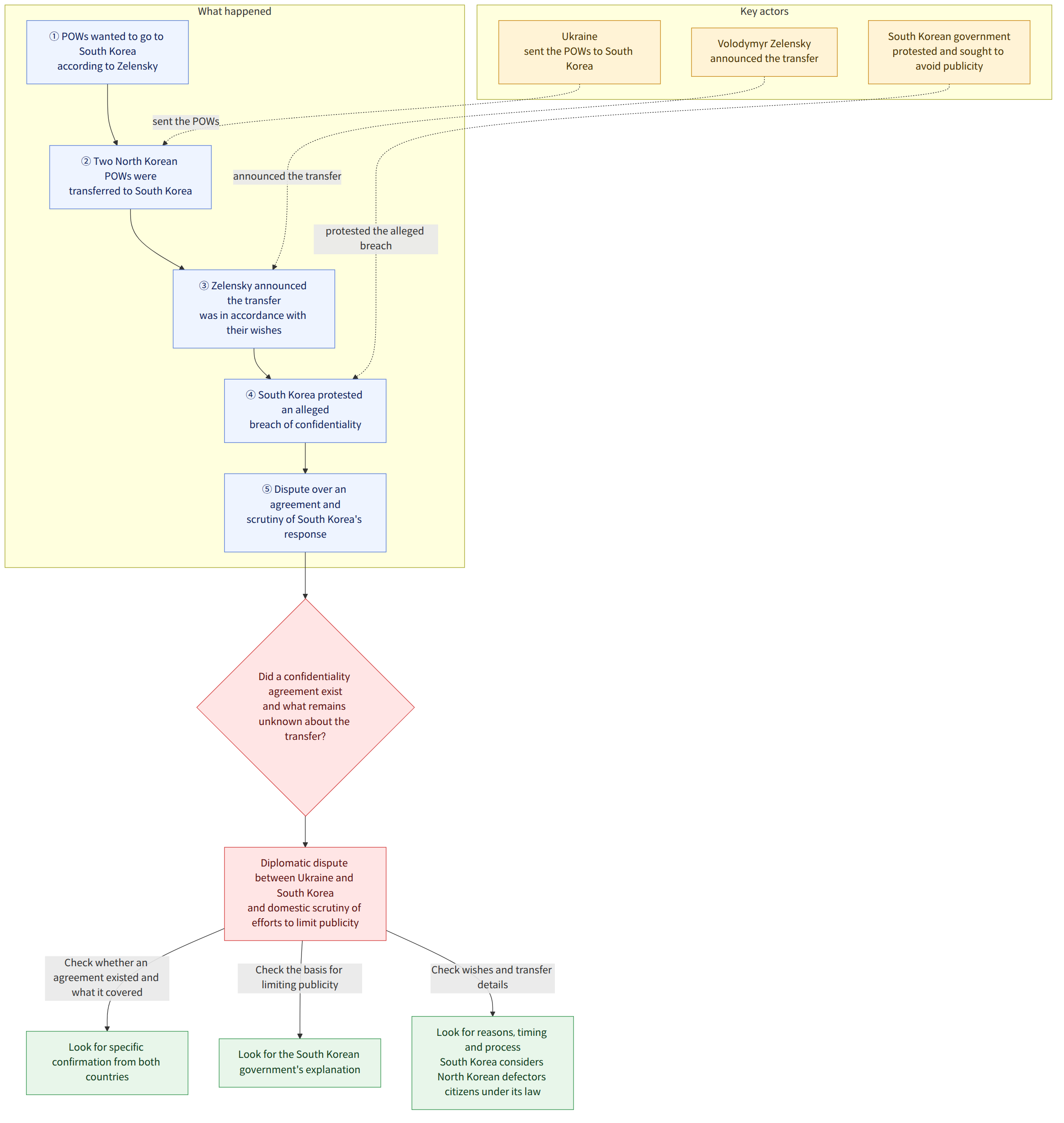
The South Korean government expressed displeasure and protested, saying Ukraine had violated an agreement to keep the transfer confidential. However, a diplomatic dispute arose between the two countries over whether such an agreement actually existed.
The incident led to controversy not only over the POWs’ journey to South Korea, but also over how the transfer was made public and how the South Korean government responded. In South Korea, whether it was legitimate for the government to try to avoid publicizing the transfer also became a point of contention.
Background and context
South Korea has a history of accepting North Korean defectors, whom it considers South Korean citizens under the law. This is why the North Korean POWs’ journey to South Korea has drawn attention as an issue involving not just a transfer, but also the POWs’ wishes, South Korea’s approach to accepting them, and diplomatic relations among the countries involved.
During the Korean War, President Syngman Rhee released 27,000 North Korean POWs who refused repatriation to the North, allowing them to remain in South Korea. Since then, North Korean soldiers, diplomats and civilians have defected to South Korea by crossing the Demilitarized Zone or maritime border, or by traveling through a third country. The latest announcement is connected to this historical context, but past cases alone cannot determine the circumstances of the transfer of these two POWs or whether the government’s response was legitimate.
What this news means
The South Korean government’s protest does not establish that a confidentiality agreement actually existed. Whether there was an agreement remains unresolved, and that distinction is central to the diplomatic dispute. It is difficult to assign responsibility based on only one side’s account without confirming whether an agreement existed and what it said.
How the POWs’ wishes to go to South Korea and information about their transfer should be made public may be relevant to evaluating the government’s response. However, the reports provided do not reveal the specific reasons the government may have had for avoiding publicity or its internal deliberations.
For example, if further explanations about the POWs’ wishes and the transfer were made public, readers could assess whether the two countries had agreed to keep the matter confidential and why the South Korean government may have sought to avoid publicizing it. But the information confirmed so far does not explain the specific reasons the POWs wanted to go to South Korea or the transfer process.
What is confirmed and what remains unknown
Confirmed facts
- The South Korean government protested that Ukraine had violated an agreement to keep the transfer confidential.
- A diplomatic dispute arose over whether a confidentiality agreement actually existed.
- In South Korea, controversy arose over whether it was legitimate for the government to avoid publicizing the transfer.
- South Korea has accepted North Korean defectors, whom it considers South Korean citizens under the law.
What remains unknown
- Did the South Korean government and Ukraine actually agree to keep the matter confidential?
- What specific reasons did the North Korean POWs have for wanting to go to South Korea?
- When and through what process were the two POWs transferred to South Korea?
What readers should look for
- In follow-up statements from the two countries, readers should look for specific confirmation of whether a confidentiality agreement existed and what it covered.
- Readers can check whether the South Korean government explains why it sought to avoid publicizing the transfer and the basis for that decision.
- Whether further information is made public about the POWs’ wishes to go to South Korea and the timing and process of the transfer also remains a key issue.