Understanding the Threat: What is Nipah Virus?
The Nipah virus is a deadly pathogen that primarily spreads from animals, such as fruit bats and pigs, to humans. It is notorious for causing acute encephalitis (a severe condition where the brain becomes painfully swollen), which can lead to comas and death.
Currently, there are no commercialized vaccines (medicines designed to prevent infection) or specific treatments available for those who get sick. This lack of medical defense makes the virus a top priority for global health organizations and researchers.
Why the Urgency? High Fatality and Pandemic Potential
The most alarming feature of the Nipah virus is its fatality rate (the percentage of infected people who die). In various outbreaks, the death rate has ranged from 40% to 75%, making it significantly more lethal than most common viruses we face today.
"The Nipah virus remains a critical threat because we have zero medical countermeasures to stop its spread or treat the infected."
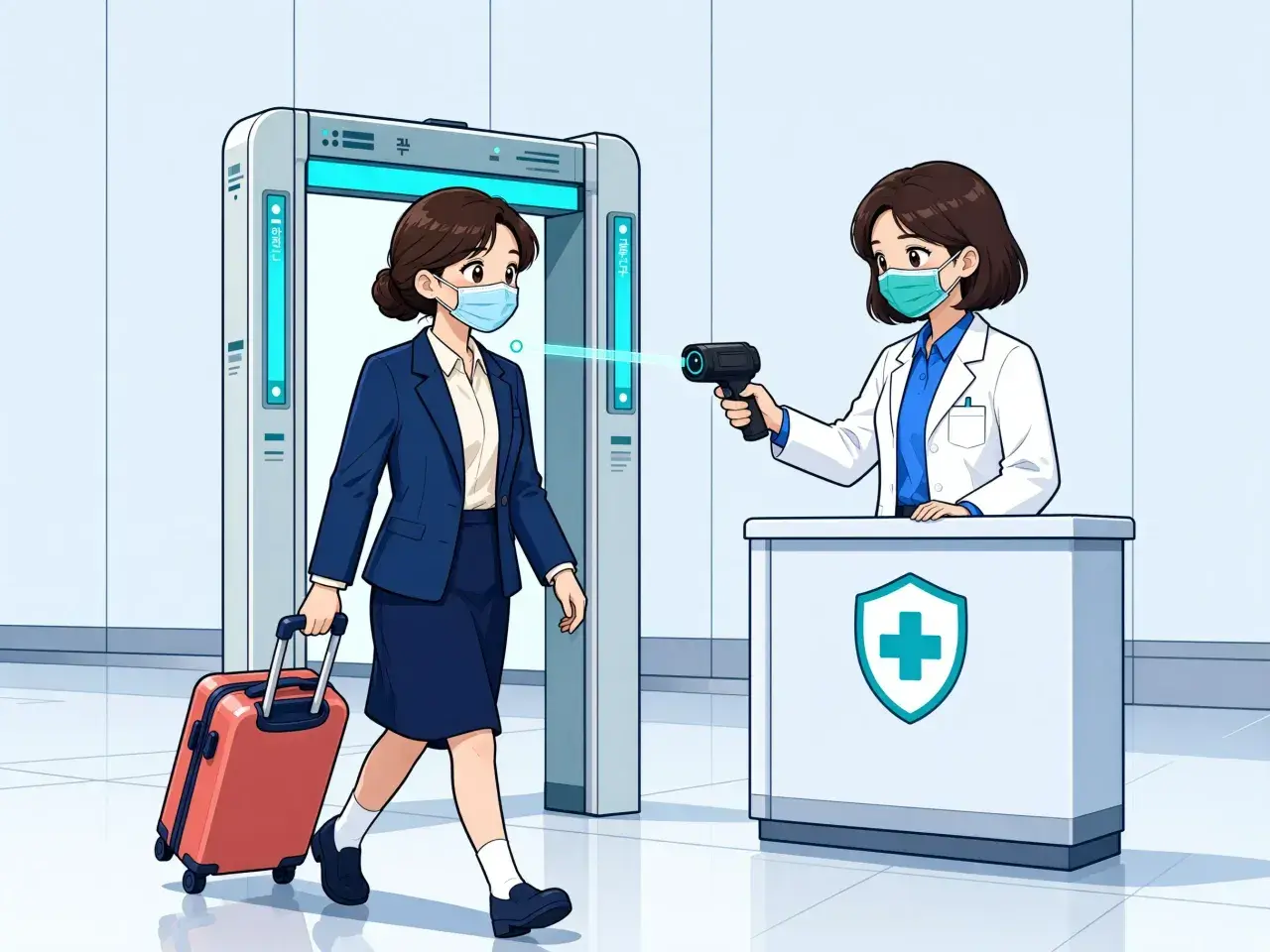
Beyond animal transmission, the virus can also spread through close contact between people. Because initial symptoms often resemble a common fever, it can be difficult to detect early, increasing the risk of a widespread outbreak.
A Global Mission to Find a Cure
Specialized think tanks (groups of experts who research and solve complex problems) have recently pledged to speed up their efforts. They are focusing on creating medical shields to protect the population before the next major outbreak occurs.
- Accelerated Clinical Trials: Moving potential vaccines into the human testing phase much faster than usual.
- Rapid Diagnostic Tools: Creating kits that can identify the virus in remote areas within minutes.
- Global Data Sharing: Connecting scientists worldwide to monitor virus mutations and spread in real-time.
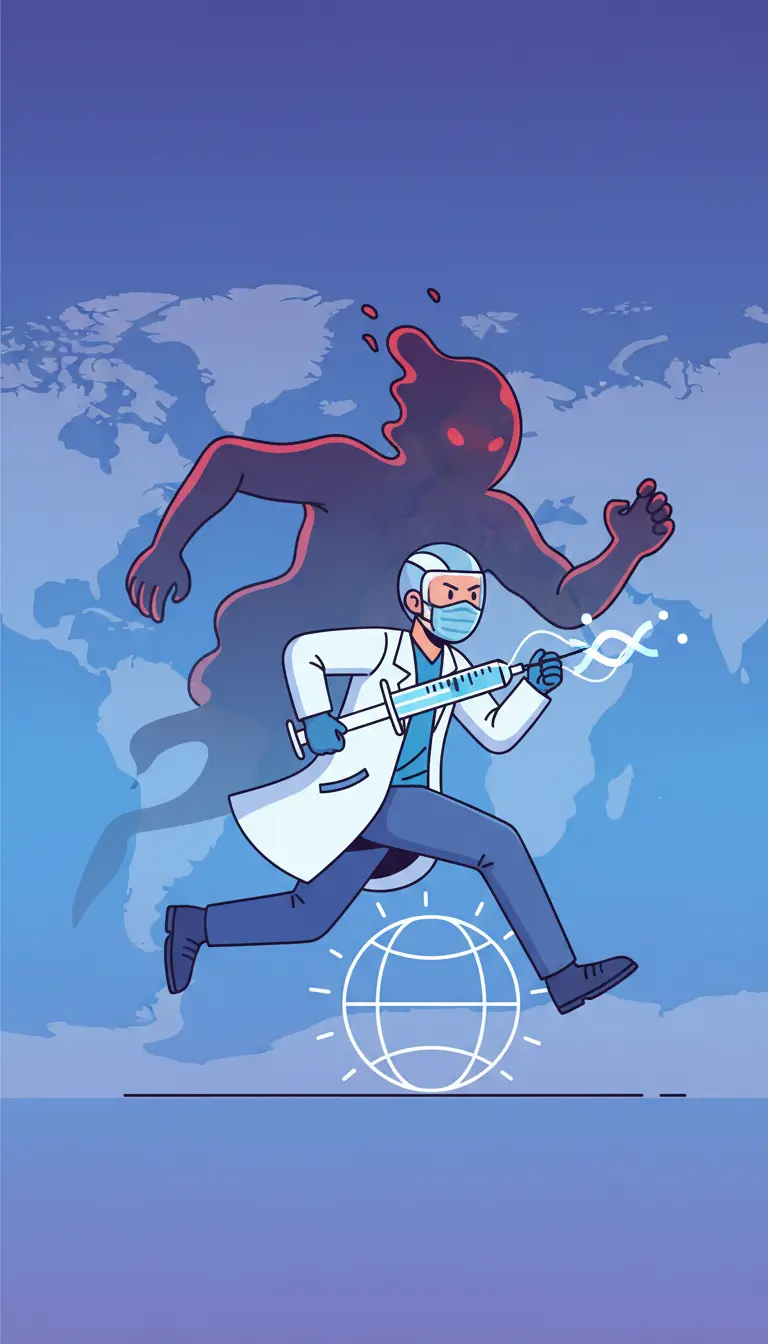
These coordinated efforts are essential to ensuring that the world is not caught off guard. By developing these tools now, scientists hope to prevent a localized outbreak from turning into the next global health crisis.