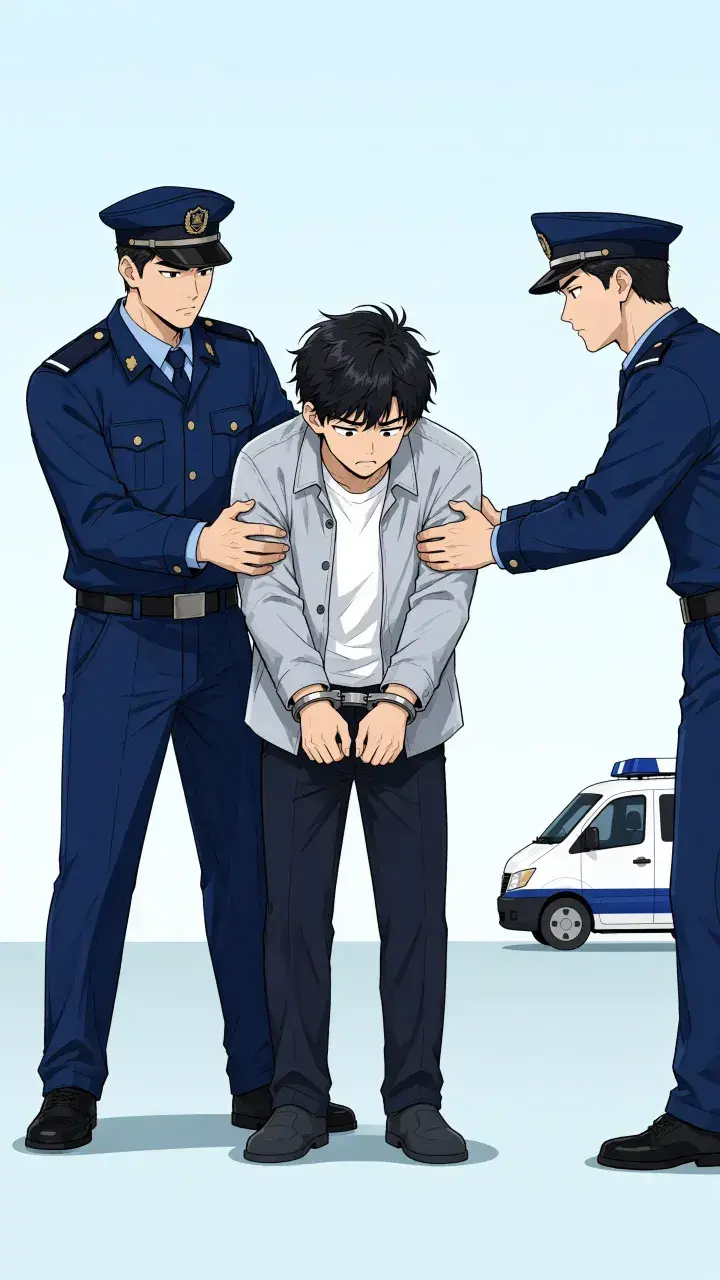
Reports say a serving police officer was detained on suspicion of creating sexually exploitative images, including images made with artificial intelligence (AI) that featured the manipulated faces of acquaintances, and distributing them in Telegram chat rooms. The Hankyoreh (한겨레) reported that a sergeant with the Seoul Dongdaemun Police Station was detained last month, while the headline of an English-language Yonhap News (연합뉴스) article also reported the arrest of a police officer in connection with creating and distributing sexually exploitative images. The reports were published on the morning of October 4, 2026.
Background and context
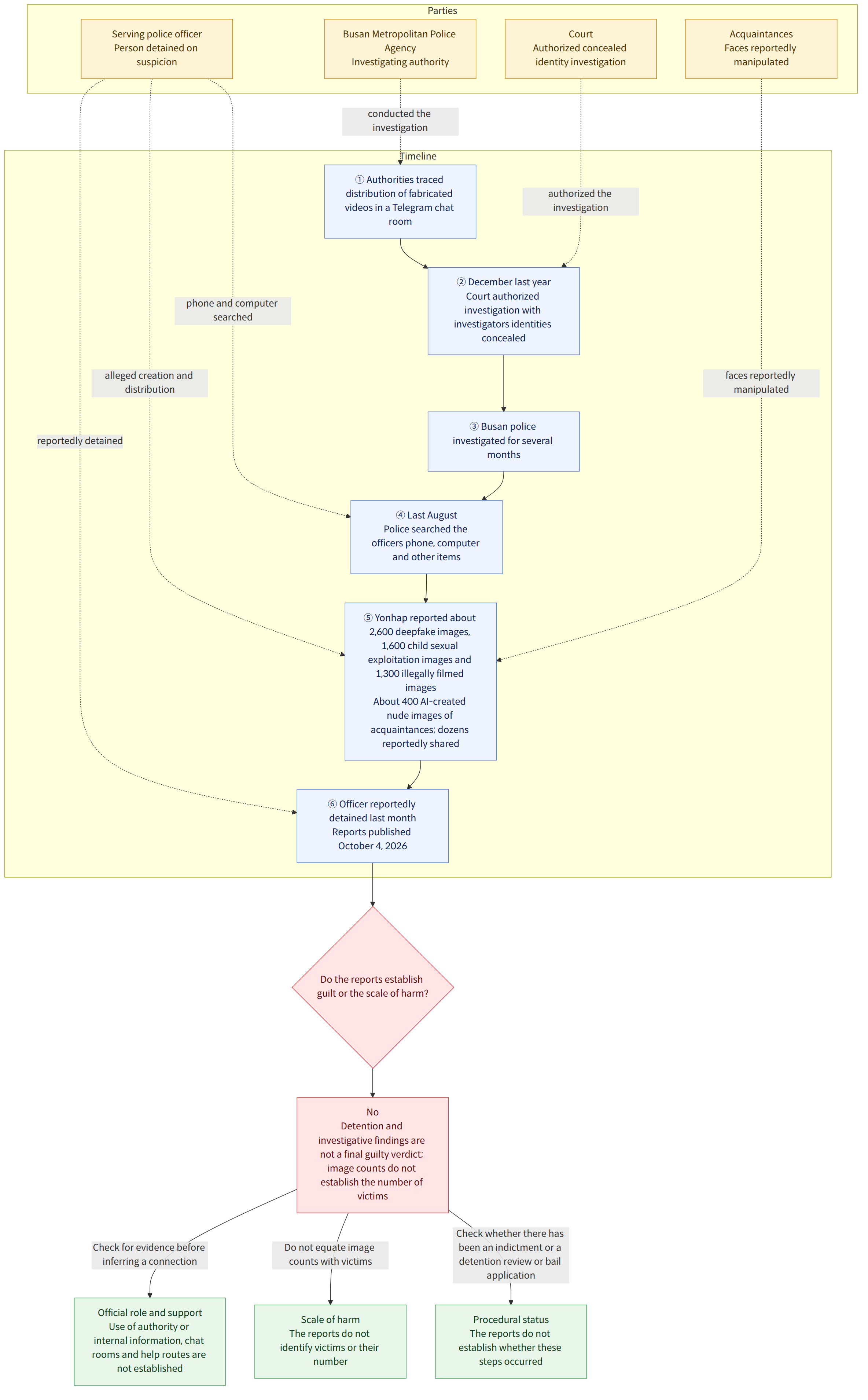
According to the Hankyoreh, the investigation was conducted while authorities were tracing the distribution of fabricated videos in a Telegram chat room. The report said the Busan Metropolitan Police Agency (부산경찰청) had investigated the case for several months after obtaining court authorization in December last year to investigate while concealing the investigators’ identities.
According to the reports, police searched the officer’s phone and computer, among other items, last August. The English-language Yonhap News article reported that a digital analysis of the phone found about 2,600 deepfake images, about 1,600 child sexual exploitation images and about 1,300 illegally filmed images. It also reported that the officer used AI to create about 400 nude images of acquaintances and distributed dozens of them in Telegram chat rooms.
The Hankyoreh reported that the officer had received a suspension of indictment in a similar case before joining the police and that investigators found the officer had continued the alleged offenses after joining. The same report explained that the disposition did not constitute grounds for disqualification from appointment as a police officer.
What this news means
Because this involves allegations of criminal conduct by a public official, the case may draw attention to police recruitment and personnel oversight, as well as the outcome of the investigation. However, the reported information does not establish whether the officer used official authority or internal information in the alleged offenses. The case should not be interpreted as confirming such a connection.
The number of images is not the same as the number of victims. There may be multiple images of the same person, and the reports do not identify or give the number of people harmed. The reported creation and distribution of images featuring manipulated faces of acquaintances could directly affect those people’s privacy and safety, but the information currently available does not make it possible to identify the circumstances of any individual victim.
For example, if you suspect that an image featuring your face or a friend’s face has been distributed, you would first need to determine whether what you experienced is connected to the case covered by these reports. These reports alone do not establish which chat rooms are involved, how to report harm or how to obtain help with image removal.
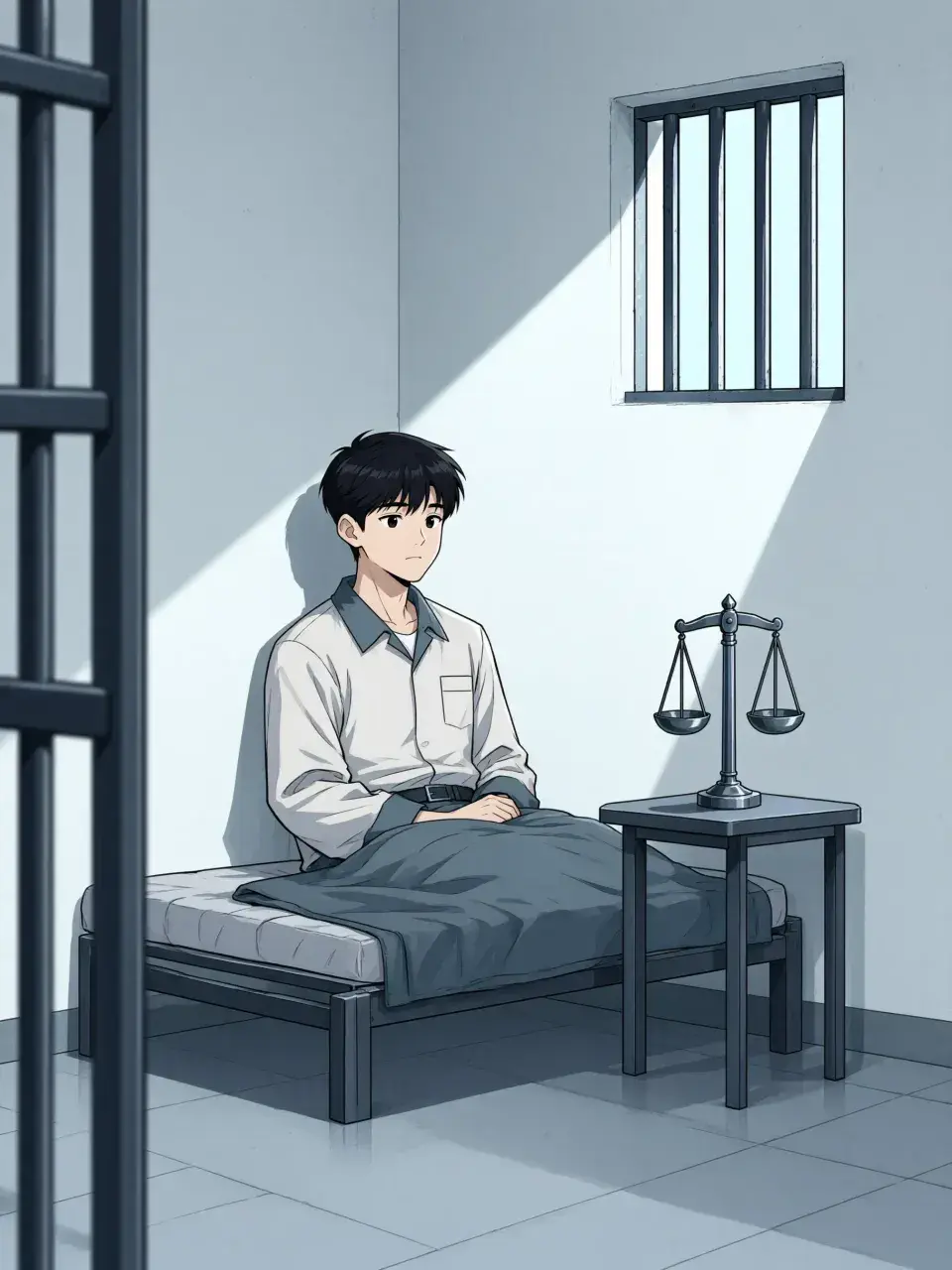
Detention is a measure that restricts a person’s liberty during the investigation and trial process; it does not mean that a guilty verdict has been finalized. Reported allegations and investigative findings should be read as distinct from established facts.
Related legal procedures and support information
According to the company’s legal guidance, a suspect detained during the investigation stage may request a review of the legality of detention (구속적부심사), a procedure asking a court to reconsider whether detention is appropriate. The guidance says that not only the suspect but also the suspect’s lawyer, spouse, lineal relatives, siblings, family members, cohabitants or employer may make the request. However, the court decides whether to release the suspect, so submitting a request does not guarantee release.
After a person is indicted, they are a defendant rather than a suspect and may apply for bail (보석). Bail is a system under which a person is released to stand trial subject to conditions set by the court. The court may set conditions such as a pledge to appear, restrictions on residence or a guarantee of appearance. If the defendant fails to appear in court without a valid reason or violates the conditions, bail may be revoked, the defendant may be detained again, and the bail bond may be forfeited.
The reports provided do not establish whether anyone involved in this case has been indicted or has applied for a review of detention or bail. The procedures above are therefore general information for similar situations; whether they apply and how a court rules depend on the stage of the case and the individual circumstances.
Points on which reports differ
The reports give different numbers of images. The English-language Yonhap News article reported about 2,600, 1,600 and 1,300 images by category, while the Hankyoreh reported a total of more than 5,600. Since the total does not match the simple sum of the figures by category, it is difficult to establish the exact number from the reports alone.
The period of the alleged offenses and the descriptions of the charges also differ. The English-language Yonhap News article said the approximately 400 images made using acquaintances’ faces were created from March 2022 through July this year, while the Hankyoreh said the period ran from 2022 through this year. The English-language Yonhap News article summarized the alleged offenses as possession, creation and distribution of images; the Hankyoreh listed possession of sexually exploitative material and fabricated videos, as well as the creation and distribution of fabricated videos.
What is confirmed and what remains unknown
What is confirmed
- The headline of the English-language Yonhap News article said a police officer had been arrested in connection with creating and distributing sexually exploitative images.
- The Hankyoreh reported that a sergeant with the Seoul Dongdaemun Police Station was detained last month.
- The reports describe the creation of images featuring manipulated faces of acquaintances, their distribution in Telegram chat rooms and the discovery of numerous illegal images.
- The Hankyoreh reported that the officer was placed on standby and was relieved of their position after being detained.
What remains unknown
- It is not known who actually received the images or how many people were harmed.
What readers should check
- Look for follow-up reports confirming the person’s detention status and whether they have been indicted. Procedures such as a review of detention or bail differ depending on whether the case is at the investigation or trial stage.
- If further reports give numbers of images or the period of the alleged offenses, check the figures by category and the total separately, as well as how each report describes them.
- If you are helping a family member or acquaintance detained in a similar case, consult a legal professional about eligibility to request a review of detention and the required documents. After indictment, you can separately ask about the possibility of applying for bail.
References
- How Should You Respond to Arrest, Detention, Release, and Bail?
- Other coverage consulted: koreatimes.co.kr
- Other coverage consulted: hani.co.kr