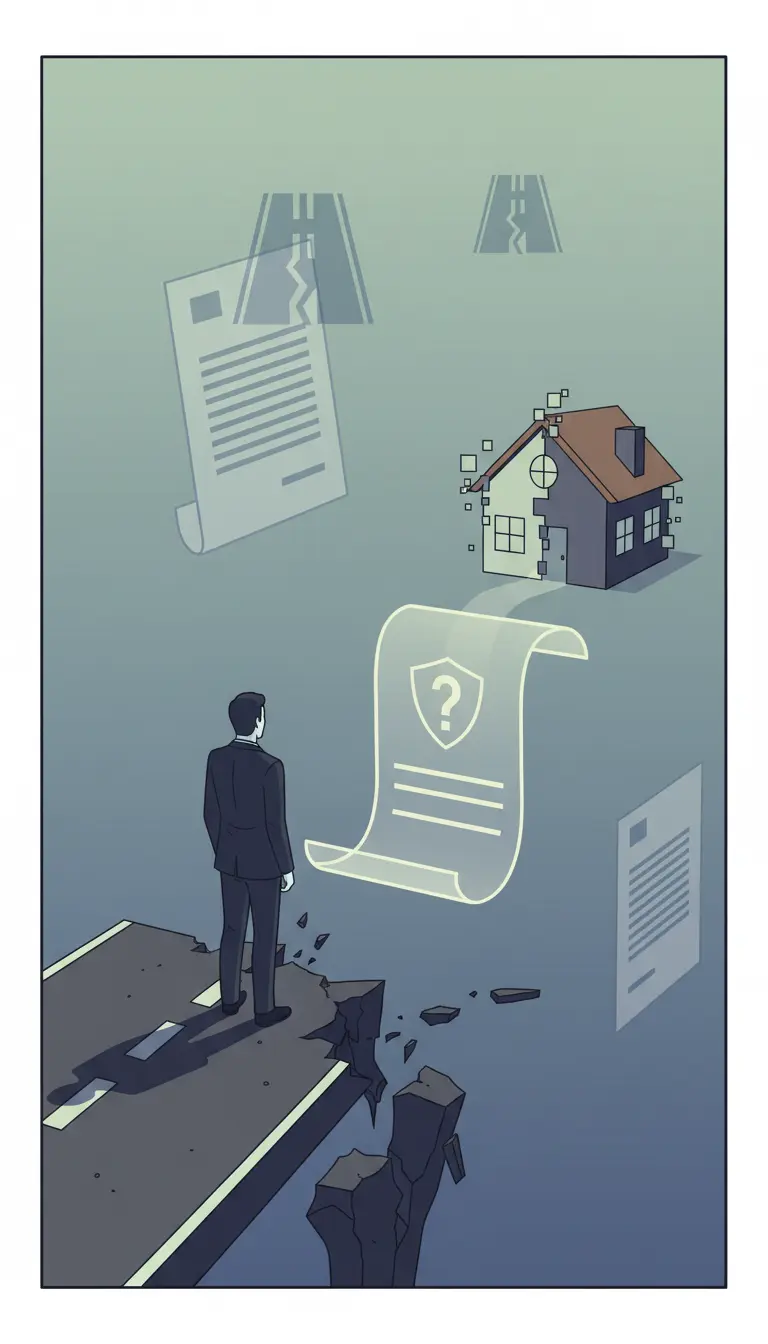
The Disappearing Highway and a Broken Dream
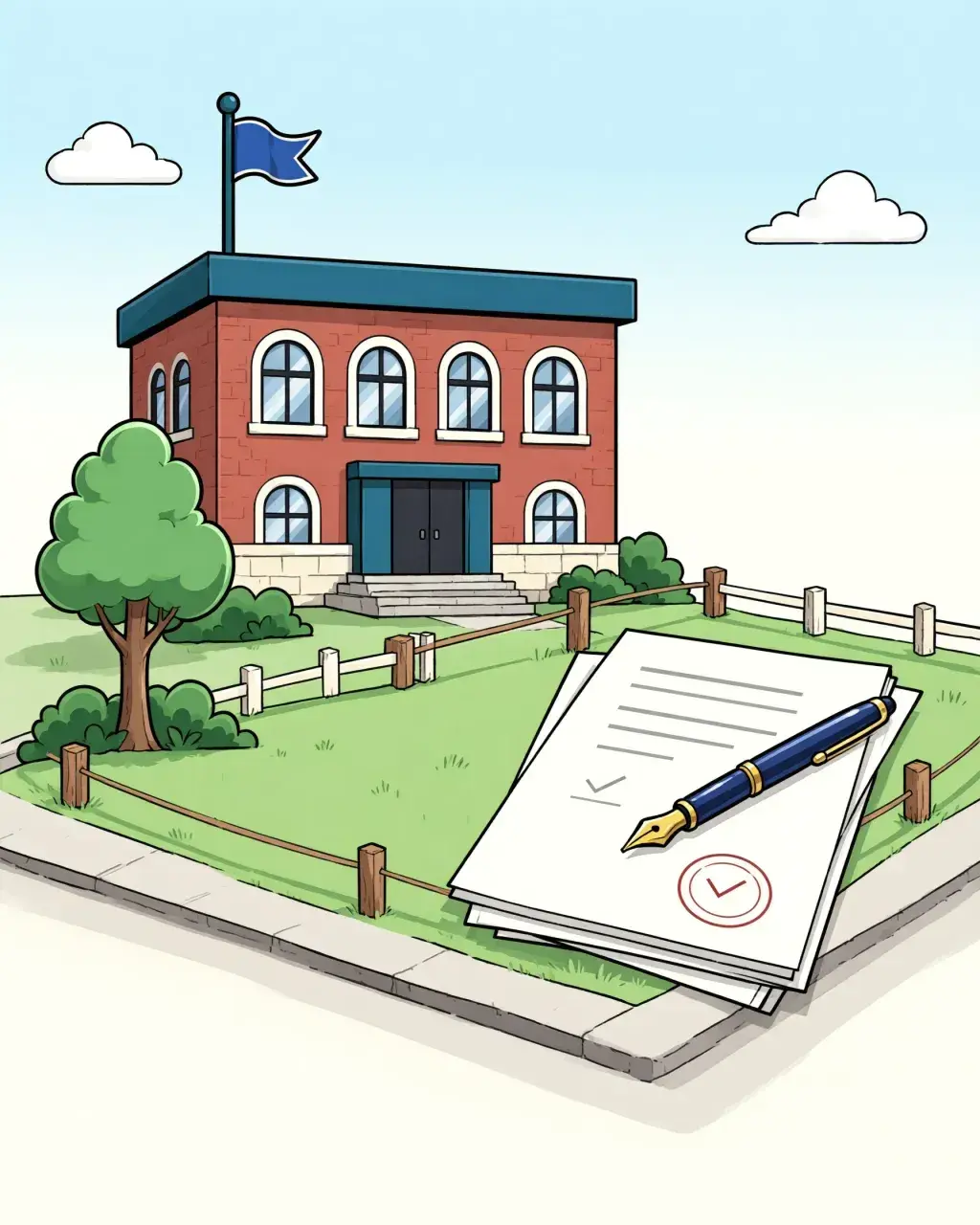
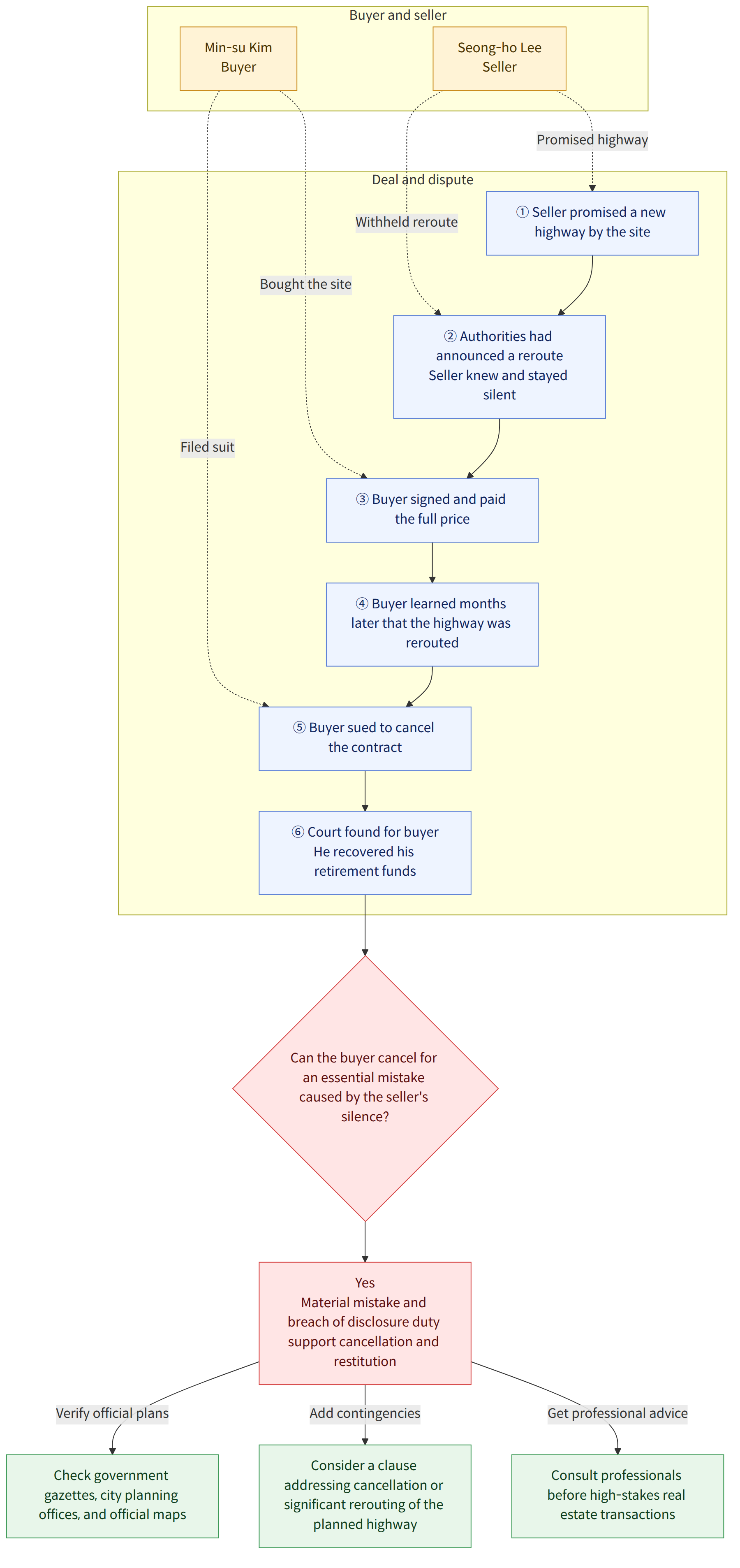
Min-su Kim, a retiree who poured his entire life savings into a dream for his second career, had his eyes on a gas station site in the outskirts of Gyeonggi Province. The seller, Seong-ho Lee, spread a map across the table with a wide smile. "Do you see this? A new four-lane national highway is scheduled to be built right in front of this property. The traffic will be enormous, so your revenue is practically guaranteed."
Min-su believed him wholeheartedly. Although the price was significantly higher than nearby plots, he felt it was a worthy investment for the future. He signed the contract, paid the deposit, and eventually transferred the full balance to become the proud owner of the gas station. However, a few months later, he received devastating news. Before the contract was even signed, the authorities had already announced a plan to reroute the highway to a location far from his gas station.
Seong-ho Lee knew about this change but chose to remain silent. Min-su was furious, stating, "I would never have bought this land if I knew the road wasn't coming here!" Seong-ho simply brushed it off, saying, "The ink is dry on the contract." Can Min-su reverse this unfair deal?
The Legal Issue: Does a Change in Road Plans Justify Cancellation?
The core of this case lies in whether a buyer can rescind a contract when they were under a 'mistake' regarding a crucial fact (the new highway) that formed the basis of the deal. Specifically, the question is whether a seller’s silence about a critical change in circumstances can be grounds for nullifying the agreement.
What Korean Law Says About 'Mistake' and 'Duty to Disclose'
While Korean civil law values the stability of contracts, it also provides a right of rescission for transactions where a significant error has occurred.
Civil Act Article 109 (Declaration of Will under Mistake)(1) A declaration of will may be voidable if there is a mistake in any essential part of the legal act; provided, that if the mistake was caused by gross negligence of the declarant, he/she shall not claim the voidance.
To be considered an "essential part of the legal act," a mistake must meet two criteria:
- The declarant (Min-su) would not have made the declaration of will (signed the contract) had there been no such mistake.
- An ordinary person in the same position would also not have made such a declaration of will.
Furthermore, under the 'Principle of Good Faith,' a seller has a legal duty to disclose facts that would clearly prevent a buyer from entering the contract if they were known.
How Korean Courts Approach This
Korean courts take road access very seriously, especially for businesses like gas stations where revenue is almost entirely dependent on traffic flow. The court generally rules that a seller has an obligation to disclose information if that information is so vital that its absence leads the buyer into a significant mistake.
Judicial principles suggest that if a buyer's ignorance of a fact is clear, and that fact is something the seller is aware of and is crucial to the transaction, the seller’s silence constitutes a breach of the duty to disclose. This is often viewed as a form of deception by omission.
Applying the Law to Min-su’s Case
Analyzing Min-su’s situation through these legal lenses leads to a clear conclusion.
First, for a gas station, the construction of a nearby highway is a core factor determining profitability. This qualifies as an "essential part" of the contract under the Civil Act.
Second, Seong-ho Lee was aware of the change in road plans but deliberately withheld this information. This induced Min-su to remain in a state of mistake while entering the agreement.
Third, it is objectively clear that neither Min-su nor any reasonable person would have purchased the gas station at that premium price if they knew the highway would be rerouted. Therefore, Min-su has the right to cancel the contract based on mistake and file a restitution claim to recover his money.
Conclusion: What Happened, and What Should You Do?
Ultimately, with the help of legal counsel, Min-su filed a lawsuit for the cancellation of the contract. The court ruled in his favor, recognizing the material mistake caused by the seller's breach of disclosure. He was able to recover his retirement funds.
When engaging in high-stakes real estate transactions, keep these tips in mind:
- Verify Public Plans Yourself: Never rely solely on the seller's word. Check official government gazettes, visit the local city planning department, or consult official maps to verify the status of infrastructure projects.
- Include Specific Contingencies: Insert a clause in the contract stating, "This contract shall be null and void if the planned highway construction is canceled or significantly rerouted."
- Consult Professionals Early: If you discover a discrepancy between the seller's claims and reality, consult a legal professional immediately to protect your rights before the statute of limitations or other legal deadlines pass.
This column is for general informational purposes only and does not constitute legal advice. Outcomes may vary based on specific facts.